

How to Get a Sanitary Permit in the Philippines (2026 Updated Guide)
Paano Kumuha ng Sanitary Permit sa Pilipinas (2026 Updated na Gabay)

The 5-Step Walkthrough
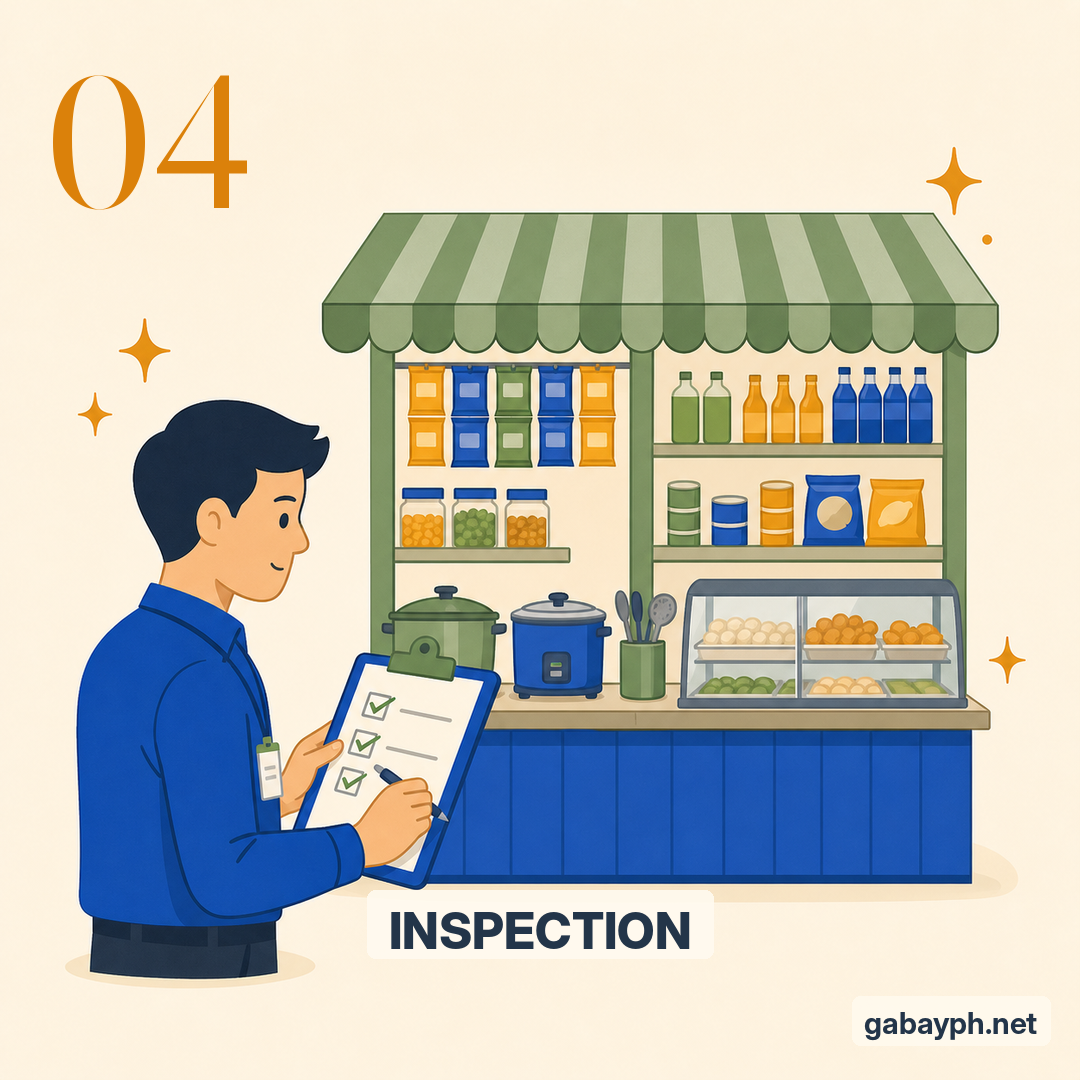
Sanitary permit in five steps.



Quick Summary
Mabilis na Buod
Table of Contents
Talaan ng Nilalaman
What Is a Sanitary Permit?
Ano ang Sanitary Permit?
A sanitary permit is a document from your City or Municipal Health Office (CHO/MHO) certifying your business meets DOH health and sanitation standards. It is a pre-requirement for your business permit — you cannot operate legally without one, whether you run a restaurant, salon, clinic, or sari-sari store.
Ang sanitary permit ay isang dokumento mula sa iyong City o Municipal Health Office (CHO/MHO) na nagpapatunay na ang iyong negosyo ay nakatutugon sa DOH health at sanitation standards. Isa itong pre-requirement para sa iyong business permit — hindi ka makaka-operate nang legal kung wala nito, maging restaurant, salon, clinic, o sari-sari store man ang iyong negosyo.
Valid for one (1) year, renewed annually alongside your business permit. Fees range from ₱500 to ₱3,000 depending on location, business type, and size.
Valid sa loob ng isang (1) taon, nire-renew taon-taon kasabay ng iyong business permit. Ang mga bayarin ay mula ₱500 hanggang ₱3,000 depende sa lokasyon, uri ng negosyo, at laki.
Who Needs a Sanitary Permit?
Sino ang Kailangan ng Sanitary Permit?
Short answer: every business. But the requirements and scrutiny are heavier for certain types of businesses. Here is a breakdown:
Maikling sagot: lahat ng negosyo. Pero mas mabigat ang requirements at pagsusuri para sa ilang uri ng negosyo. Narito ang breakdown:
Food Businesses (Strictest Requirements)
Mga Food Business (Pinakamahigpit na Requirements)
- Restaurants and fast food chains — full kitchen inspection, food handler certificates for all staff
- Carinderias and eateries (turo-turo) — same requirements as restaurants, though typically smaller scale
- Food carts and stalls — including sa palengke, school canteens, and mall food courts
- Sari-sari stores selling food items — yes, kahit maliit lang ang tindahan mo, if you sell cooked food, baked goods, or perishable items, you need this
- Bakeries and pastry shops
- Catering services
- Water refilling stations
- Mga restaurant at fast food chains — full kitchen inspection, food handler certificates para sa lahat ng staff
- Mga carinderia at eateries (turo-turo) — pareho ng requirements sa restaurants, pero karaniwan mas maliit ang scale
- Mga food cart at stalls — kabilang ang nasa palengke, school canteens, at mall food courts
- Mga sari-sari store na nagbebenta ng pagkain — oo, kahit maliit lang ang tindahan mo, kung nagbebenta ka ng lutong pagkain, baked goods, o mga perishable items, kailangan mo ito
- Mga bakery at pastry shop
- Mga catering services
- Mga water refilling station
Non-Food Businesses
Mga Non-Food na Negosyo
Salons, clinics, laundry shops, hotels, gyms, schools, and any other establishment open to the public also need a sanitary permit, though requirements are lighter than for food businesses.
Ang mga salon, clinic, laundry shop, hotel, gym, paaralan, at anumang establisyimento na bukas sa publiko ay kailangan din ng sanitary permit, bagaman mas magaan ang requirements kaysa sa mga food business.
Even home-based businesses (homemade cakes, ulam trays, manicure services) need a sanitary permit when you apply for a business permit.
Kahit ang home-based businesses (homemade cakes, ulam trays, manicure services) ay kailangan ng sanitary permit kapag nag-apply ka ng business permit.
Requirements Checklist
Checklist ng mga Kailangan
- Barangay clearance — proof that your business is registered and recognized in your barangay. Get this from your barangay hall first before anything else.
- DTI (sole proprietor) or SEC (corporation/partnership) registration — your official business name registration certificate.
- Building or occupancy permit — issued by the City/Municipal Engineering Office, proving your establishment is structurally safe and suitable for your business type.
- Food handler certificates for all staff — required for food businesses. Each employee who handles, prepares, or serves food must complete a food handler training seminar.
- Health certificates (medical exam results) — from an accredited clinic or health center. Includes chest X-ray, stool exam, and physical examination. Required for all food handlers.
- Proof of payment of sanitary permit fees — payment is made at the City/Municipal Treasurer's Office or health office cashier.
- Barangay clearance — patunay na ang iyong negosyo ay naka-register at kinikilala sa iyong barangay. Kunin mo ito mula sa barangay hall bago ang lahat.
- DTI (sole proprietor) o SEC (corporation/partnership) registration — ang iyong opisyal na business name registration certificate.
- Building o occupancy permit — inilalabas ng City/Municipal Engineering Office, na nagpapatunay na ang iyong establisyimento ay structurally safe at angkop para sa iyong uri ng negosyo.
- Food handler certificates para sa lahat ng staff — kinakailangan para sa mga food business. Ang bawat empleyado na humahawak, naghahanda, o nagse-serve ng pagkain ay kailangang kumpletuhin ang food handler training seminar.
- Health certificates (resulta ng medical exam) — mula sa accredited na clinic o health center. Kasama ang chest X-ray, stool exam, at physical examination. Kinakailangan para sa lahat ng food handlers.
- Patunay ng pagbabayad ng sanitary permit fees — ang pagbabayad ay ginagawa sa City/Municipal Treasurer's Office o health office cashier.
Additional Documents Some LGUs May Require
Mga Karagdagang Dokumento na Maaaring Hilingin ng Ilang LGU
Requirements can vary slightly between cities and municipalities. Some local government units (LGUs) may also ask for:
Ang mga requirements ay maaaring mag-iba-iba depende sa lungsod at munisipalidad. Ang ilang local government units (LGUs) ay maaari ring humingi ng:
- Pest control certificate — proof of recent fumigation or pest control treatment from a licensed provider
- Water potability test — for businesses that use their own water supply (deep well, etc.)
- Fire safety inspection certificate — from the Bureau of Fire Protection (BFP)
- Proof of proper waste disposal — contract with accredited waste hauler or proof of compliance with local waste management rules
- Pest control certificate — patunay ng kamakailang fumigation o pest control treatment mula sa licensed na provider
- Water potability test — para sa mga negosyo na gumagamit ng sariling water supply (deep well, atbp.)
- Fire safety inspection certificate — mula sa Bureau of Fire Protection (BFP)
- Patunay ng maayos na waste disposal — kontrata sa accredited na waste hauler o patunay ng compliance sa lokal na waste management rules
Pro tip: call your local health office before going to ask for their exact list of requirements. Hindi mo gusto ang pabalik-balikin ka dahil may kulang kang document. Isang tawag lang, mase-save mo ang isang buong araw.
Payo: tumawag sa iyong local health office bago pumunta para itanong ang eksaktong listahan ng requirements. Ayaw mong pabalik-balikin ka dahil may kulang kang dokumento. Isang tawag lang, mase-save mo ang isang buong araw.
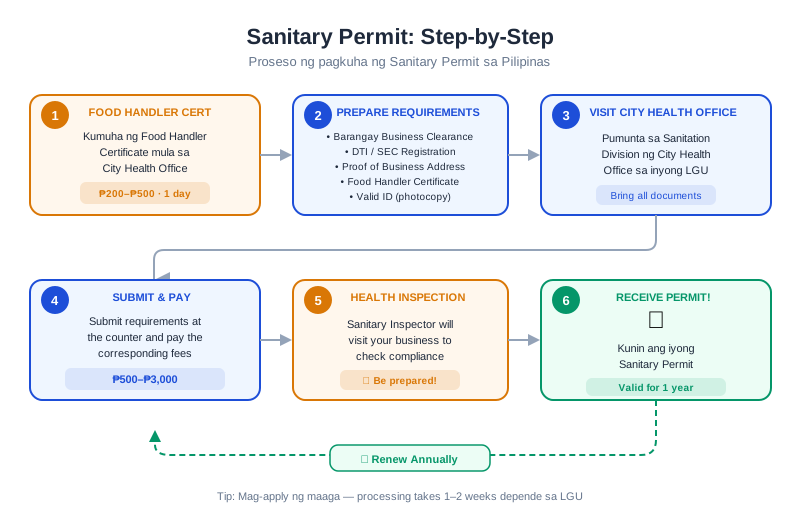
Step-by-Step: How to Get Your Sanitary Permit
Hakbang-Hakbang: Paano Kumuha ng Sanitary Permit
-
Visit the City/Municipal Health Office
Pumunta sa City/Municipal Health Office
Go to the City Health Office (CHO) or Municipal Health Office (MHO) in the area where your business is located. This is usually inside or near your City Hall or Municipal Hall. Look for the Sanitation Division or Environmental Health section — they are the ones who handle sanitary permits.
Pumunta sa City Health Office (CHO) o Municipal Health Office (MHO) sa lugar kung saan naka-locate ang iyong negosyo. Karaniwan itong nasa loob o malapit sa iyong City Hall o Municipal Hall. Hanapin ang Sanitation Division o Environmental Health section — sila ang namamahala sa mga sanitary permit.
Ask the staff for the application form for a sanitary permit. Fill it out completely with your business details: business name, address, type of business, number of employees, and owner's information. Magdala ka na rin ng pen dahil minsan walang available na panulat sa office.
Humingi sa staff ng application form para sa sanitary permit. Sagutan ito nang kumpleto gamit ang mga detalye ng iyong negosyo: pangalan ng negosyo, address, uri ng negosyo, bilang ng mga empleyado, at impormasyon ng may-ari. Magdala ka na rin ng pen dahil minsan walang available na panulat sa office.
-
Submit Your Requirements
I-submit ang Iyong mga Requirements
Present all the documents from the requirements checklist above. The health office staff will review your documents and check if everything is complete. Make sure to bring original copies and at least one photocopy of each document — the originals will be returned to you after verification.
Ipresenta ang lahat ng dokumento mula sa requirements checklist sa itaas. Ire-review ng health office staff ang iyong mga dokumento at titingnan kung kumpleto ang lahat. Siguraduhing magdala ng original copies at hindi bababa sa isang photocopy ng bawat dokumento — ibabalik sa iyo ang originals pagkatapos ng verification.
If any document is missing, the staff will tell you exactly what is needed. Don't worry — hindi ka ma-reject permanently. You can come back once you have the complete documents. Pero para hindi ka na bumalik ulit, kumpletuhin mo na lahat bago pumunta.
Kung may kulang na dokumento, sasabihin ng staff kung ano ang kailangan. Huwag mag-alala — hindi ka ma-reject nang permanente. Pwede kang bumalik kapag kumpleto na ang mga dokumento mo. Pero para hindi ka na bumalik ulit, kumpletuhin mo na lahat bago pumunta.
-
Pay the Sanitary Permit Fees
Magbayad ng Sanitary Permit Fees
Once your documents are accepted, you will be directed to the City/Municipal Treasurer's Office or the health office cashier to pay the sanitary permit fees. The amount depends on your business type and location (see the Fees section below for estimates).
Kapag tinanggap na ang iyong mga dokumento, ididirekta ka sa City/Municipal Treasurer's Office o sa health office cashier para magbayad ng sanitary permit fees. Ang halaga ay depende sa iyong uri ng negosyo at lokasyon (tingnan ang seksyon ng Mga Bayarin sa ibaba para sa mga tantya).
Keep your official receipt — you will need to present this when claiming your sanitary permit and also when applying for your business permit. Wag mong itatapon dahil ito rin ang gagamitin mo for documentation purposes.
Itago ang iyong opisyal na resibo — kakailanganin mong ipakita ito kapag kinukuha ang iyong sanitary permit at kapag nag-a-apply ng business permit. Huwag mong itatapon dahil ito rin ang gagamitin mo for documentation purposes.
-
Schedule the Health Inspection
I-schedule ang Health Inspection
After payment, the health office will schedule an inspection of your business premises. The sanitary inspector will visit your establishment to check if it meets health and sanitation standards. For food businesses, this inspection is particularly thorough.
Pagkatapos ng pagbabayad, mag-i-schedule ang health office ng inspection sa iyong negosyo. Bibisitahin ng sanitary inspector ang iyong establisyimento para tingnan kung nakakatugon ito sa health at sanitation standards. Para sa mga food business, mas masusing ang inspection na ito.
The inspection is usually scheduled within 3–5 business days after your application, but this varies by LGU. Some busier cities may take longer. Ask the staff for an estimated date so you can prepare your establishment ahead of time.
Ang inspection ay karaniwan naka-schedule sa loob ng 3–5 business days pagkatapos ng iyong application, pero nag-iiba ito sa bawat LGU. Ang ilang mas abalang lungsod ay maaaring mas matagal. Itanong sa staff ang estimated date para maihanda mo ang iyong establisyimento nang maaga.
-
Health Inspector Visits Your Business
Bibisitahin ng Health Inspector ang Iyong Negosyo
On the scheduled date, the health inspector will come to your business location. They will check various aspects of your establishment (see the Health Inspection section below for details). Make sure everything is clean, organized, and in order before the inspector arrives.
Sa naka-schedule na petsa, darating ang health inspector sa iyong negosyo. Titingnan nila ang iba't ibang aspeto ng iyong establisyimento (tingnan ang seksyon ng Health Inspection sa ibaba para sa mga detalye). Siguraduhing malinis, maayos, at nasa kaayusan ang lahat bago dumating ang inspector.
The inspector may give you immediate feedback on any violations found. Minor issues (like a missing trash can lid or improper food storage) can usually be corrected on the spot or within a few days. Mas malaking violations may require a re-inspection.
Maaaring magbigay ang inspector ng agad na feedback sa anumang violation na nakita. Ang mga minor issues (tulad ng nawawalang takip ng basurahan o maling food storage) ay karaniwang maaaring itama agad o sa loob ng ilang araw. Ang mas malalaking violations ay maaaring mangailangan ng re-inspection.
-
Receive Your Sanitary Permit (If Passed)
Tanggapin ang Iyong Sanitary Permit (Kung Pumasa)
If your establishment passes the health inspection, the City/Municipal Health Officer will sign and issue your sanitary permit. Processing after a passed inspection usually takes 1–3 business days. Return to the health office on the designated date to pick it up.
Kung pumasa ang iyong establisyimento sa health inspection, pipirmahan at ilalabas ng City/Municipal Health Officer ang iyong sanitary permit. Ang processing pagkatapos ng naipasang inspection ay karaniwang tumatagal ng 1–3 business days. Bumalik sa health office sa itinakdang petsa para kunin ito.
If you did not pass, don't panic. Fix the violations cited by the inspector and request a re-inspection. Most health offices allow one free re-inspection. Subsequent re-inspections may incur additional fees.
Kung hindi ka pumasa, huwag mag-panic. Ayusin ang mga violations na binanggit ng inspector at humiling ng re-inspection. Karamihan ng health offices ay nagbibigay ng isang libreng re-inspection. Ang mga susunod na re-inspection ay maaaring may dagdag na bayad.
-
Display Your Sanitary Permit Visibly
I-display ang Iyong Sanitary Permit nang Kitang-kita
Once you have your sanitary permit, display it prominently in a visible area of your business establishment — usually near the entrance, the cashier area, or where customers can easily see it. This is required by law. Random inspections can happen at any time, and inspectors will check if your permit is displayed.
Kapag nakuha mo na ang iyong sanitary permit, i-display ito nang prominente sa isang visible na lugar ng iyong negosyo — karaniwan malapit sa entrance, sa cashier area, o kung saan madaling makita ng mga customer. Kinakailangan ito ng batas. Maaaring magkaroon ng random inspections anumang oras, at titingnan ng mga inspector kung naka-display ang iyong permit.
Tip: frame your sanitary permit para hindi madaling masira o kupas. Mas professional din ang dating at nagpapakita na serious ka sa iyong business compliance.
Payo: i-frame ang iyong sanitary permit para hindi madaling masira o kupas. Mas professional din ang dating at nagpapakita na seryoso ka sa compliance ng iyong negosyo.
Food Handler Certificate: What You Need to Know
Food Handler Certificate: Ang Dapat Mong Malaman
If you are running a food business, one of the most important requirements is the food handler certificate for every employee who touches, prepares, cooks, or serves food. Ito ang isa sa mga pinaka-common na dahilan kung bakit na-de-delay ang sanitary permit application — dahil hindi pa kumpleto ang food handler certificates ng lahat ng staff.
Kung nagpapatakbo ka ng food business, isa sa mga pinakamahalagang requirements ay ang food handler certificate para sa bawat empleyado na humahawak, naghahanda, nagluluto, o nagse-serve ng pagkain. Ito ang isa sa mga pinaka-common na dahilan kung bakit na-de-delay ang sanitary permit application — dahil hindi pa kumpleto ang food handler certificates ng lahat ng staff.
What Is It?
Ano Ito?
A food handler certificate is proof that a person has completed a food safety and hygiene seminar conducted by or accredited by the City/Municipal Health Office. The seminar covers proper food handling, personal hygiene, food storage, contamination prevention, and basic sanitation practices.
Ang food handler certificate ay patunay na ang isang tao ay nakumpleto ang isang food safety at hygiene seminar na isinasagawa ng o accredited ng City/Municipal Health Office. Ang seminar ay sumasaklaw sa tamang food handling, personal hygiene, food storage, contamination prevention, at basic sanitation practices.
How to Get It
Paano Ito Makuha
- Go to your City/Municipal Health Office and ask about the food handler seminar schedule. Most health offices conduct these seminars regularly — some weekly, some monthly.
- Register for the seminar and pay the fee: typically ₱200–₱500 per person, which includes the training and the certificate.
- Attend the half-day or full-day seminar. Topics include food safety principles, proper handwashing, temperature control, and pest management.
- After the seminar, you will receive your food handler certificate.
- Pumunta sa iyong City/Municipal Health Office at itanong ang schedule ng food handler seminar. Karamihan ng health offices ay regular na nagsasagawa ng mga seminar na ito — ang iba lingguhan, ang iba buwan-buwan.
- Mag-register para sa seminar at magbayad ng fee: karaniwang ₱200–₱500 bawat tao, kasama na ang training at ang certificate.
- Dumalo sa half-day o full-day na seminar. Ang mga paksa ay kinabibilangan ng food safety principles, tamang paghuhugas ng kamay, temperature control, at pest management.
- Pagkatapos ng seminar, makukuha mo ang iyong food handler certificate.
Validity and Who Needs It
Validity at Kung Sino ang Kailangan Nito
The food handler certificate is valid for 1–2 years depending on your LGU. All staff who handle food must have it — this includes cooks, kitchen helpers, servers, cashiers who handle food, and even delivery riders who transport meals. Pati ang owner kung ikaw mismo ang nagluluto or nagse-serve.
Ang food handler certificate ay valid sa loob ng 1–2 taon depende sa iyong LGU. Lahat ng staff na humahawak ng pagkain ay kailangan nito — kasama ang mga cook, kitchen helpers, servers, cashiers na humahawak ng pagkain, at kahit delivery riders na nagta-transport ng meals. Pati ang owner kung ikaw mismo ang nagluluto o nagse-serve.
Health Inspection: What Inspectors Look For
Health Inspection: Ano ang Tinitingnan ng mga Inspector
The health inspection is the make-or-break step for your sanitary permit application. Knowing what the inspector will check ahead of time gives you the best chance of passing on the first visit. Here is what they typically look for:
Ang health inspection ang pinaka-kritikal na hakbang sa iyong sanitary permit application. Ang pagkaalam kung ano ang titingnan ng inspector nang maaga ay magbibigay sa iyo ng pinakamainam na tsansa na pumasa sa unang bisita. Narito ang karaniwan nilang tinitingnan:
Cleanliness and Sanitation
Kalinisan at Sanitation
- Overall cleanliness of floors, walls, ceilings, and surfaces
- Clean and sanitized food preparation areas
- Proper garbage bins with lids, and regular trash disposal
- Clean restrooms with running water and soap
- Pangkalahatang kalinisan ng sahig, dingding, kisame, at mga surface
- Malinis at naka-sanitize na food preparation areas
- Maayos na mga basurahan na may takip, at regular na pagtatapon ng basura
- Malinis na restrooms na may running water at sabon
Proper Food Storage
Tamang Food Storage
- Raw and cooked food stored separately
- Refrigeration at proper temperatures
- Food elevated off the floor (hindi nakadikit sa sahig)
- Proper labeling and dating of stored food items
- Hilaw at lutong pagkain na naka-store nang hiwalay
- Refrigeration sa tamang temperatura
- Pagkain na nakatataas mula sa sahig (hindi nakadikit sa sahig)
- Tamang labeling at dating ng mga naka-store na pagkain
Handwashing Facilities
Mga Pasilidad para sa Paghuhugas ng Kamay
- Dedicated handwashing sink (separate from dishwashing sink)
- Soap and clean towels or paper towels available
- Handwashing signage posted in food prep areas and restrooms
- Nakalaang handwashing sink (hiwalay sa dishwashing sink)
- May sabon at malinis na tuwalya o paper towels na available
- Naka-post na handwashing signage sa food prep areas at restrooms
Waste Disposal and Pest Control
Waste Disposal at Pest Control
- Proper segregation of biodegradable and non-biodegradable waste
- No evidence of pests (cockroaches, rats, flies) in the premises
- Regular pest control treatment (some LGUs require proof from a licensed pest control provider)
- Proper drainage and no stagnant water around the premises
- Tamang segregation ng biodegradable at non-biodegradable na basura
- Walang ebidensya ng mga peste (ipis, daga, langaw) sa establisyimento
- Regular na pest control treatment (ang ilang LGU ay nangangailangan ng patunay mula sa licensed na pest control provider)
- Maayos na drainage at walang naiipon na tubig sa paligid ng establisyimento
Common Violations and How to Avoid Them
Mga Karaniwang Violation at Paano Iwasan Ang mga Ito
- No handwashing sink — install a dedicated handwashing area before the inspection
- Food stored on the floor — use shelves, racks, or pallets to elevate food items
- Expired food handler certificates — renew all staff certificates before applying
- Open garbage bins without lids — buy bins with tight-fitting lids
- No pest control — schedule fumigation at least a week before the inspection
- Dirty kitchen or food prep surfaces — deep clean everything the day before
- Walang handwashing sink — mag-install ng nakalaang handwashing area bago ang inspection
- Pagkain na nasa sahig — gumamit ng shelves, racks, o pallets para itaas ang mga pagkain
- Expired na food handler certificates — i-renew ang lahat ng certificates ng staff bago mag-apply
- Bukas na basurahan na walang takip — bumili ng mga basurahan na may masikip na takip
- Walang pest control — mag-schedule ng fumigation nang hindi bababa sa isang linggo bago ang inspection
- Maruming kusina o food prep surfaces — deep clean ang lahat sa araw bago ang inspection
Fees by Business Type
Mga Bayarin Ayon sa Uri ng Negosyo
Sanitary permit fees vary by city, municipality, and business type. Here are typical ranges to give you an idea of how much to budget. Always confirm with your local health office for the exact amount.
Ang mga bayarin para sa sanitary permit ay nag-iiba-iba sa bawat lungsod, munisipalidad, at uri ng negosyo. Narito ang mga tipikal na range para magkaroon ka ng ideya kung magkano ang kailangan mong i-budget. Palaging i-confirm sa iyong local health office para sa eksaktong halaga.
| Business Type | Estimated Fee |
|---|---|
| Food stall / food cart | ₱500–₱1,000 |
| Restaurant / eatery | ₱1,000–₱3,000 |
| Sari-sari store (with food) | ₱300–₱500 |
| Salon / barbershop | ₱500–₱1,500 |
| Clinic / dental office | ₱500–₱1,500 |
| Laundry shop | ₱500–₱1,000 |
| Water refilling station | ₱1,000–₱2,500 |
| Uri ng Negosyo | Tinatayang Bayad |
|---|---|
| Food stall / food cart | ₱500–₱1,000 |
| Restaurant / eatery | ₱1,000–₱3,000 |
| Sari-sari store (na may pagkain) | ₱300–₱500 |
| Salon / barbershop | ₱500–₱1,500 |
| Clinic / dental office | ₱500–₱1,500 |
| Laundry shop | ₱500–₱1,000 |
| Water refilling station | ₱1,000–₱2,500 |
Important: These are the sanitary permit fees only. You will have separate costs for food handler certificates (₱200–₱500 per person), health certificates/medical exams (₱300–₱800 per person), and any pest control services you may need. Budget accordingly — the total cost of getting fully compliant can add up.
Mahalaga: Ito ay ang mga bayarin para sa sanitary permit lamang. May hiwalay kang gastos para sa food handler certificates (₱200–₱500 bawat tao), health certificates/medical exams (₱300–₱800 bawat tao), at anumang pest control services na maaaring kailanganin mo. Mag-budget nang maayos — ang kabuuang gastos ng pagki-comply ay maaaring tumaas.
Renewal Process
Proseso ng Renewal
The sanitary permit must be renewed every year. This is not optional — you cannot renew your business permit without a valid, current sanitary permit. Most LGUs require renewal during the January deadline alongside business permit renewal, but some allow applications at any time during the year.
Ang sanitary permit ay kailangang i-renew bawat taon. Hindi ito opsyonal — hindi mo maaaring i-renew ang iyong business permit kung walang valid at kasalukuyang sanitary permit. Karamihan ng LGU ay nangangailangan ng renewal sa deadline ng Enero kasabay ng business permit renewal, pero ang iba ay tumatanggap ng applications anumang oras sa loob ng taon.
What You Need for Renewal
Ano ang Kailangan Mo para sa Renewal
- Previous sanitary permit (original or photocopy)
- Updated food handler certificates for all staff (if expired, staff must re-attend the seminar)
- Updated health certificates/medical exams for food handlers
- Payment of renewal fees — usually the same amount as the initial permit, though some LGUs offer a slight discount for renewals
- Nakaraang sanitary permit (original o photocopy)
- Updated na food handler certificates para sa lahat ng staff (kung expired, kailangang dumalo ulit ang staff sa seminar)
- Updated na health certificates/medical exams para sa mga food handlers
- Pagbabayad ng renewal fees — karaniwan pareho ang halaga sa initial permit, kahit na ang ilang LGU ay nag-o-offer ng kaunting diskwento para sa renewals
The renewal process is the same: visit the health office, submit requirements, pay fees, and undergo another inspection. However, if your establishment has a good track record (no violations in previous inspections), some health offices may conduct a shorter or less intensive inspection. Pero huwag kang mag-assume na automatic pass — laging maghanda.
Ang proseso ng renewal ay pareho: pumunta sa health office, i-submit ang requirements, magbayad ng fees, at dumaan sa isa pang inspection. Gayunpaman, kung maganda ang track record ng iyong establisyimento (walang violations sa nakaraang inspections), ang ilang health offices ay maaaring magsagawa ng mas maikli o hindi masyadong intensive na inspection. Pero huwag kang mag-assume na automatic pass — laging maghanda.
Pro tip: Start your renewal process in December or early January to avoid last-minute rushing. The health office gets extremely busy during business permit renewal season (January), and delays in your sanitary permit can delay your entire business permit renewal. Huwag mong hintayin ang last day para i-process — pag-abutan ka ng deadline, baka ma-penalty ka pa.
Payo: Simulan ang iyong renewal process sa Disyembre o unang linggo ng Enero para maiwasan ang last-minute rushing. Ang health office ay napaka-busy sa panahon ng business permit renewal season (Enero), at ang mga delay sa iyong sanitary permit ay maaaring mag-delay sa iyong buong business permit renewal. Huwag mong hintayin ang last day para i-process — pag-abutan ka ng deadline, baka ma-penalty ka pa.
Pro Tips for a Smooth Application
Mga Payo para sa Maayos na Application
- Get food handler certificates FIRST. This is the most common missing requirement. Send all your food-handling staff to the seminar before you even start the sanitary permit application. Mas matagal ito dahil may schedule ang seminar — so kung dito ka magsisimula, hindi ka ma-de-delay sa actual permit application.
- Schedule the health inspection early. Don't wait until the last minute to apply. The inspection takes time to schedule, and if you fail and need a re-inspection, that adds more days. Apply at least 2–3 weeks before you need the permit.
- Deep clean your establishment BEFORE applying. Start preparing your space even before you submit your application. The inspector will come sooner than you think, and you want to be ready at any time. Hindi mo alam kung kailan exactly darating ang inspector — sometimes they come earlier than expected.
- Ask your barangay for local requirements. Each barangay and LGU may have additional requirements that are not listed here. A quick visit or phone call to your barangay hall can save you from missing documents and wasted trips.
- Combine with your business permit application. If you are a new business, process your sanitary permit alongside other business permit requirements (barangay clearance, DTI registration, BFP fire safety, etc.). This parallel processing can save you weeks compared to doing them one at a time.
- Keep copies of everything. Photocopy all your documents, receipts, and certificates. Store digital copies on your phone or cloud storage. Pag nawala ang isang document, hindi ka mahihirapan kung may backup ka.
- Be polite and patient with health office staff. They process hundreds of applications. Being courteous goes a long way in getting helpful guidance on your specific situation. A friendly approach will also help kung may minor issue ka during the inspection — sometimes the inspector gives you a chance to fix small things on the spot instead of requiring a re-inspection.
- Kumuha ng food handler certificates MUNA. Ito ang pinaka-common na kulang na requirement. Ipadala ang lahat ng food-handling staff mo sa seminar bago ka pa mag-simula ng sanitary permit application. Mas matagal ito dahil may schedule ang seminar — kaya kung dito ka magsisimula, hindi ka ma-de-delay sa actual permit application.
- I-schedule ang health inspection nang maaga. Huwag hintayin ang last minute para mag-apply. Ang inspection ay kailangan ng oras para ma-schedule, at kung hindi ka pumasa at kailangan ng re-inspection, dagdag pa iyan ng mga araw. Mag-apply nang hindi bababa sa 2–3 linggo bago mo kailanganin ang permit.
- I-deep clean ang iyong establisyimento BAGO mag-apply. Simulan na ang paghahanda sa iyong espasyo kahit hindi ka pa nag-submit ng application. Darating ang inspector nang mas maaga kaysa sa inaakala mo, at gusto mong handa ka anumang oras. Hindi mo alam kung kailan exactly darating ang inspector — minsan mas maaga sila dumating kaysa sa expected.
- Itanong sa iyong barangay ang mga lokal na requirements. Ang bawat barangay at LGU ay maaaring may mga karagdagang requirements na hindi nakasulat dito. Ang mabilis na bisita o tawag sa iyong barangay hall ay makakapag-ligtas sa iyo mula sa mga nawawalang dokumento at nasayang na biyahe.
- Pagsamahin sa iyong business permit application. Kung bago ang negosyo mo, i-process ang iyong sanitary permit kasabay ng iba pang business permit requirements (barangay clearance, DTI registration, BFP fire safety, atbp.). Ang parallel processing na ito ay maaaring maka-save ng ilang linggo kumpara sa paggawa nito nang isa-isa.
- Mag-keep ng kopya ng lahat. Mag-photocopy ng lahat ng iyong mga dokumento, resibo, at certificates. Mag-store ng digital copies sa iyong phone o cloud storage. Pag nawala ang isang document, hindi ka mahihirapan kung may backup ka.
- Maging magalang at matiyaga sa health office staff. Daan-daan ang kanilang pinoproseso na applications. Ang pagiging magalang ay malaking tulong sa pagkuha ng helpful guidance sa iyong specific na sitwasyon. Ang friendly approach ay makakatulong din kung may minor issue ka during the inspection — minsan binibigyan ka ng inspector ng pagkakataon na ayusin ang maliliit na bagay agad-agad sa halip na kailangan pa ng re-inspection.
Frequently Asked Questions
Mga Madalas Itanong
Do sari-sari stores need a sanitary permit?
Yes, if your sari-sari store sells food items — whether it is cooked food, snacks, canned goods, beverages, or perishable products. Even a small neighborhood tindahan that sells bread, eggs, or softdrinks is technically required to have a sanitary permit. In practice, enforcement varies by LGU, pero it is always better to be compliant. The fees for sari-sari stores are typically the lowest (₱300–₱500), so it is a small price to pay for legal operation. Mas mahal pa ang penalty kung mahuli kang walang permit.
Kailangan ba ng sari-sari store ng sanitary permit?
Oo, kung ang iyong sari-sari store ay nagbebenta ng pagkain — kahit lutong pagkain, meryenda, de-lata, inumin, o perishable products. Kahit ang maliit na neighborhood na tindahan na nagbebenta ng tinapay, itlog, o softdrinks ay technically kinakailangang magkaroon ng sanitary permit. Sa praktika, nag-iiba ang enforcement sa bawat LGU, pero palaging mas mabuti ang maging compliant. Ang mga bayarin para sa sari-sari stores ay karaniwan ang pinakamababa (₱300–₱500), kaya maliit na halaga lang ito para sa legal na operasyon. Mas mahal pa ang penalty kung mahuli kang walang permit.
How long is a sanitary permit valid?
A sanitary permit is valid for one (1) year from the date of issuance. You must renew it annually, ideally before your business permit renewal deadline. Most LGUs set the renewal deadline in January, alongside the general business permit renewal period. If you miss the renewal, your business permit cannot be renewed either, and operating without valid permits can result in fines or closure orders.
Gaano katagal valid ang sanitary permit?
Ang sanitary permit ay valid sa loob ng isang (1) taon mula sa petsa ng paglabas. Kailangan mong i-renew ito taon-taon, ideally bago ang deadline ng iyong business permit renewal. Karamihan ng LGU ay nagtatakda ng renewal deadline sa Enero, kasabay ng pangkalahatang business permit renewal period. Kung na-miss mo ang renewal, hindi rin maaaring ma-renew ang iyong business permit, at ang pag-operate nang walang valid permits ay maaaring magresulta sa mga multa o closure orders.
What happens if I operate without a sanitary permit?
Operating without a sanitary permit is a violation of the Philippine Sanitation Code (Presidential Decree No. 856). Penalties include fines (which vary by LGU but can range from ₱1,000 to ₱10,000 or more), a closure order from the City/Municipal Health Office forcing you to shut down until you comply, and in serious cases, criminal charges. For food businesses, the risks are even higher — if a customer gets sick from your food and you have no sanitary permit, your legal liability is significant. Hindi sulit ang risk — kumuha ka na lang ng permit para safe ka.
Ano ang mangyayari kung mag-operate ako nang walang sanitary permit?
Ang pag-operate nang walang sanitary permit ay paglabag sa Philippine Sanitation Code (Presidential Decree No. 856). Kasama sa mga penalty ang multa (na nag-iiba-iba sa bawat LGU pero maaaring mula ₱1,000 hanggang ₱10,000 o higit pa), isang closure order mula sa City/Municipal Health Office na pipilitin kang magsara hanggang sa maging compliant ka, at sa mga seryosong kaso, kriminal na kaso. Para sa mga food business, mas mataas pa ang risks — kung may customer na magkasakit dahil sa pagkain mo at wala kang sanitary permit, malaki ang iyong legal liability. Hindi sulit ang risk — kumuha ka na lang ng permit para safe ka.
Can I get a sanitary permit for a home-based food business?
Yes, home-based food businesses are still required to get a sanitary permit. The process is essentially the same — you apply at the City/Municipal Health Office, submit requirements, and undergo a health inspection of your home kitchen or food preparation area. The inspector will check the same things: cleanliness, food storage, waste disposal, and handwashing facilities. Some LGUs may have slightly lower fees for home-based operations, but the requirements are the same. Maraming home-based food sellers ang nagsisimula nang walang permit, but once your business grows or a neighbor complains, the health office will come knocking. Better to start compliant from day one.
Pwede ba akong kumuha ng sanitary permit para sa home-based food business?
Oo, ang mga home-based food business ay kinakailangan pa ring kumuha ng sanitary permit. Ang proseso ay halos pareho — mag-apply ka sa City/Municipal Health Office, i-submit ang requirements, at dumaan sa health inspection ng iyong home kitchen o food preparation area. Pareho ang titingnan ng inspector: kalinisan, food storage, waste disposal, at handwashing facilities. Ang ilang LGU ay maaaring may mas mababang bayarin para sa home-based operations, pero pareho ang requirements. Maraming home-based food sellers ang nagsisimula nang walang permit, pero kapag lumaki ang negosyo mo o nag-reklamo ang isang kapitbahay, darating ang health office. Mas mabuti nang maging compliant mula sa unang araw.
How much does a food handler certificate cost?
A food handler certificate typically costs ₱200–₱500 per person, which includes the training seminar and the certificate itself. The fee varies depending on your city or municipality. The seminar usually takes half a day to a full day and covers food safety, personal hygiene, proper food handling techniques, and sanitation practices. The certificate is valid for 1–2 years depending on your LGU, after which the employee must re-attend the seminar. Kung marami ang staff mo, budget mo na lahat — kailangan ng bawat isa sa kanilang may sariling certificate.
Magkano ang food handler certificate?
Ang food handler certificate ay karaniwang nagkakahalaga ng ₱200–₱500 bawat tao, kasama na ang training seminar at ang certificate mismo. Ang bayad ay nag-iiba depende sa iyong lungsod o munisipalidad. Ang seminar ay karaniwang tumatagal ng kalahating araw hanggang isang buong araw at sumasaklaw sa food safety, personal hygiene, tamang food handling techniques, at sanitation practices. Ang certificate ay valid sa loob ng 1–2 taon depende sa iyong LGU, pagkatapos noon kailangan ulit dumalo ng empleyado sa seminar. Kung marami ang staff mo, i-budget mo na lahat — kailangan ng bawat isa sa kanila ng sariling certificate.
What if I fail the health inspection?
If you fail the health inspection, the inspector will give you a list of violations that need to be corrected. Fix all the cited issues — this could be anything from installing a handwashing sink to improving food storage to getting pest control done. Once you have addressed all violations, request a re-inspection from the health office. Most LGUs allow one free re-inspection. If you fail again, subsequent re-inspections may have additional fees. The key is to take the inspector's feedback seriously and fix everything before requesting the re-inspection. Huwag mong biglain — ayusin lahat nang maayos para sure pass sa next inspection.
Paano kung hindi ako pumasa sa health inspection?
Kung hindi ka pumasa sa health inspection, magbibigay ang inspector ng listahan ng mga violation na kailangang itama. Ayusin ang lahat ng binanggit na isyu — maaaring kabilang dito ang pag-install ng handwashing sink, pag-improve ng food storage, o pagpapa-pest control. Kapag na-address mo na ang lahat ng violations, humiling ng re-inspection mula sa health office. Karamihan ng LGU ay nagbibigay ng isang libreng re-inspection. Kung hindi ka pumasa ulit, ang mga susunod na re-inspection ay maaaring may dagdag na bayad. Ang susi ay seryosohin ang feedback ng inspector at ayusin ang lahat bago humiling ng re-inspection. Huwag mong biglain — ayusin lahat nang maayos para sure pass sa next inspection.