

How to Cook Pancit Canton and Pancit Bihon: Classic Filipino Noodle Recipes (2026)
Paano Magluto ng Pancit Canton at Pancit Bihon: Klasikong Filipino Noodle Recipes (2026)
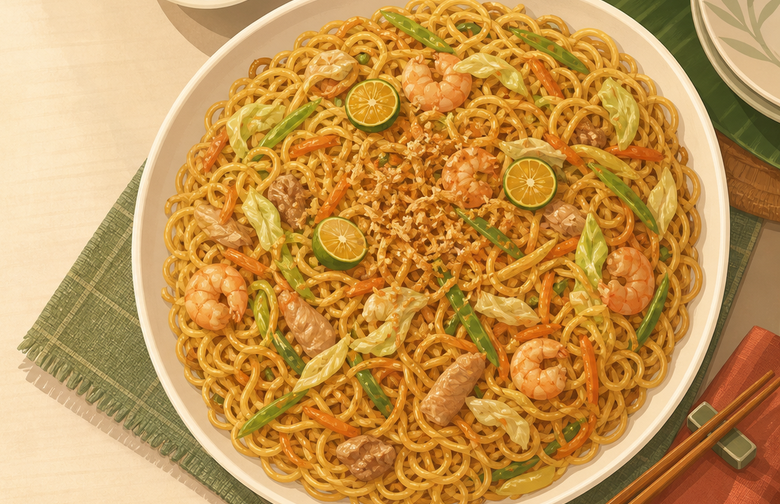
The 5-Step Recipe
Pancit canton in five steps.
Quick Summary
Mabilis na Buod
Table of Contents
Talaan ng Nilalaman
The Noodle Dishes Every Filipino Loves
Ang mga Noodle Dish na Mahal ng Bawat Pilipino
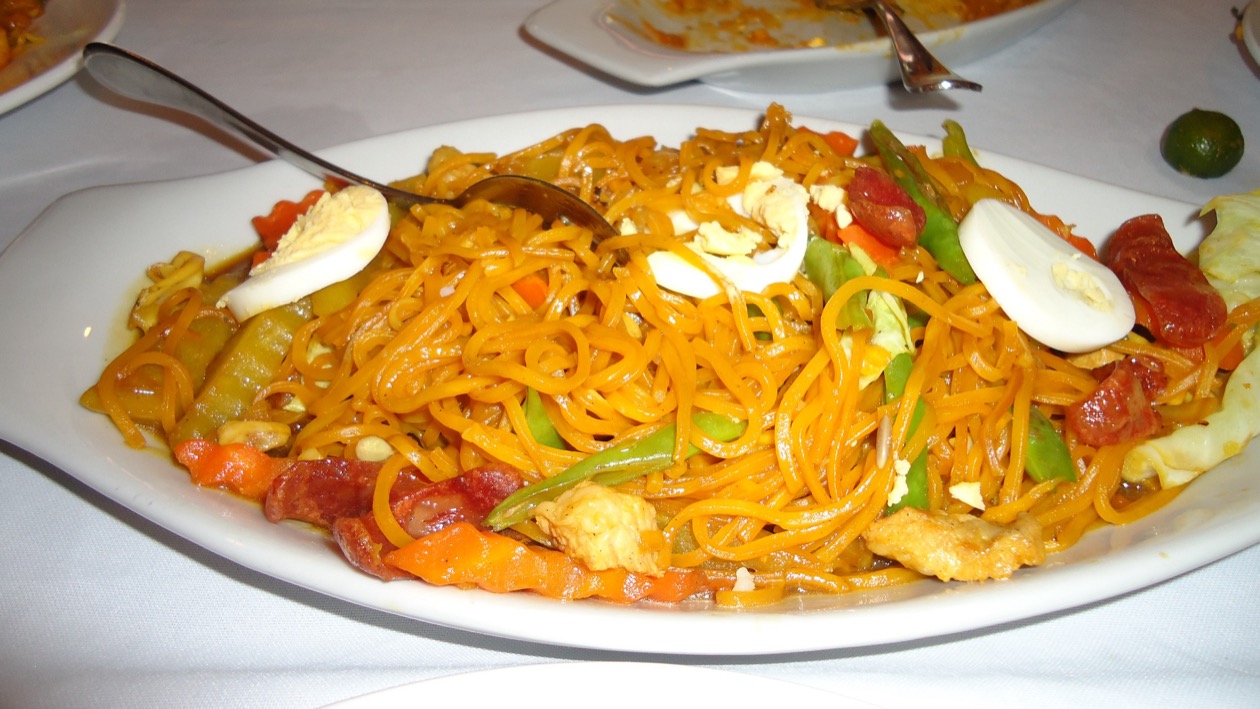
If you have ever been to a Filipino birthday party, you have had pancit. It is practically a law — no Filipino celebration is complete without a heaping platter of noodles. The tradition comes from the belief that long noodles symbolize long life, which is why pancit is the star dish at birthdays, fiestas, and special occasions throughout the Philippines.
Kung nakapunta ka na sa birthday party ng Pilipino, nakakain ka na ng pancit. Halos batas na ito — walang kumpletong Filipino celebration na walang malaking platong puno ng noodles. Ang tradisyon na ito ay nagmula sa paniniwalang ang mahabang noodles ay sumisimbolo ng mahabang buhay, kaya ang pancit ang star dish sa mga birthday, fiesta, at espesyal na okasyon sa buong Pilipinas.
Two of the most popular versions are Pancit Canton (stir-fried egg noodles) and Pancit Bihon (sauteed rice noodles). Pancit Canton uses thick, yellow egg noodles that have a chewy, springy texture — similar to lo mein. Pancit Bihon uses thin, translucent rice vermicelli that becomes soft and silky when cooked. Both versions are loaded with vegetables and meat, tossed in a savory sauce, and served with a squeeze of calamansi on top.
Dalawa sa mga pinakasikat na bersyon ay ang Pancit Canton (stir-fried egg noodles) at Pancit Bihon (ginitang rice noodles). Ang Pancit Canton ay gumagamit ng makapal at dilaw na egg noodles na may chewy at springy na texture — katulad ng lo mein. Ang Pancit Bihon naman ay gumagamit ng manipis at translucent na rice vermicelli na nagiging malambot at silky kapag niluto. Parehong bersyon ay puno ng gulay at karne, hinalo sa malinamnam na sarsa, at inihain kasama ang isang piga ng calamansi sa ibabaw.
Ingredients: Pancit Canton (6 Servings)
Mga Sangkap: Pancit Canton (6 na Serbida)
- 250g canton noodles (dried egg noodles) — available in any Filipino grocery or supermarket
- 200g pork or chicken — thinly sliced into strips (chicken breast, pork loin, or a combination)
- 2 tablespoons soy sauce (toyo)
- 1 tablespoon oyster sauce
- 1 medium carrot — julienned (cut into thin matchstick strips)
- 2 cups cabbage — sliced into thin strips
- 1 cup snow peas or green beans — trimmed and cut into 2-inch pieces
- 1 medium onion — sliced
- 4 cloves garlic — minced
- 2 tablespoons cooking oil
- 1 cup chicken broth (or 1 cup water + 1 chicken bouillon cube)
- Calamansi — 4 to 6 pieces, halved, for serving
- Salt and pepper to taste
- 250g canton noodles (dried egg noodles) — makukuha sa kahit anong Filipino grocery o supermarket
- 200g baboy o manok — manipis na hiniwang strips (chicken breast, pork loin, o kombinasyon)
- 2 kutsarang toyo
- 1 kutsarang oyster sauce
- 1 katamtamang karot — julienned (hiwain sa manipis na matchstick strips)
- 2 cup repolyo — hiniwang manipis
- 1 cup sitsaro o sitaw — tinabasan at hiniwa sa 2-inch na piraso
- 1 katamtamang sibuyas — hiniwa
- 4 na clove bawang — dinurog
- 2 kutsarang mantika
- 1 cup chicken broth (o 1 cup tubig + 1 chicken bouillon cube)
- Calamansi — 4 hanggang 6 piraso, hinating, para sa paghain
- Asin at paminta ayon sa panlasa
Ingredients: Pancit Bihon (6 Servings)
Mga Sangkap: Pancit Bihon (6 na Serbida)
- 250g bihon noodles (rice vermicelli) — soak in water before cooking
- 200g pork or chicken — thinly sliced into strips
- 2 tablespoons soy sauce (toyo)
- 1 tablespoon fish sauce (patis)
- 1 medium carrot — julienned
- 2 cups cabbage — sliced into thin strips
- 1 cup green beans or snap peas — cut into 2-inch pieces
- 1 stalk celery — thinly sliced (optional but adds great flavor)
- 1 medium onion — sliced
- 4 cloves garlic — minced
- 2 tablespoons cooking oil
- 1½ cups chicken broth (bihon absorbs more liquid than canton)
- Calamansi — 4 to 6 pieces, halved, for serving
- Salt and pepper to taste
- 250g bihon noodles (rice vermicelli) — ibabad sa tubig bago lutuin
- 200g baboy o manok — manipis na hiniwang strips
- 2 kutsarang toyo
- 1 kutsarang patis
- 1 katamtamang karot — julienned
- 2 cup repolyo — hiniwang manipis
- 1 cup sitaw o snap peas — hiniwa sa 2-inch na piraso
- 1 tangkay ng celery — manipis na hiniwang (opsyonal pero nagdadagdag ng magandang lasa)
- 1 katamtamang sibuyas — hiniwa
- 4 na clove bawang — dinurog
- 2 kutsarang mantika
- 1½ cup chicken broth (ang bihon ay mas maraming liquid ang sinisipsip kaysa canton)
- Calamansi — 4 hanggang 6 piraso, hinating, para sa paghain
- Asin at paminta ayon sa panlasa
Step-by-Step: Pancit Canton
Hakbang-hakbang: Pancit Canton
-
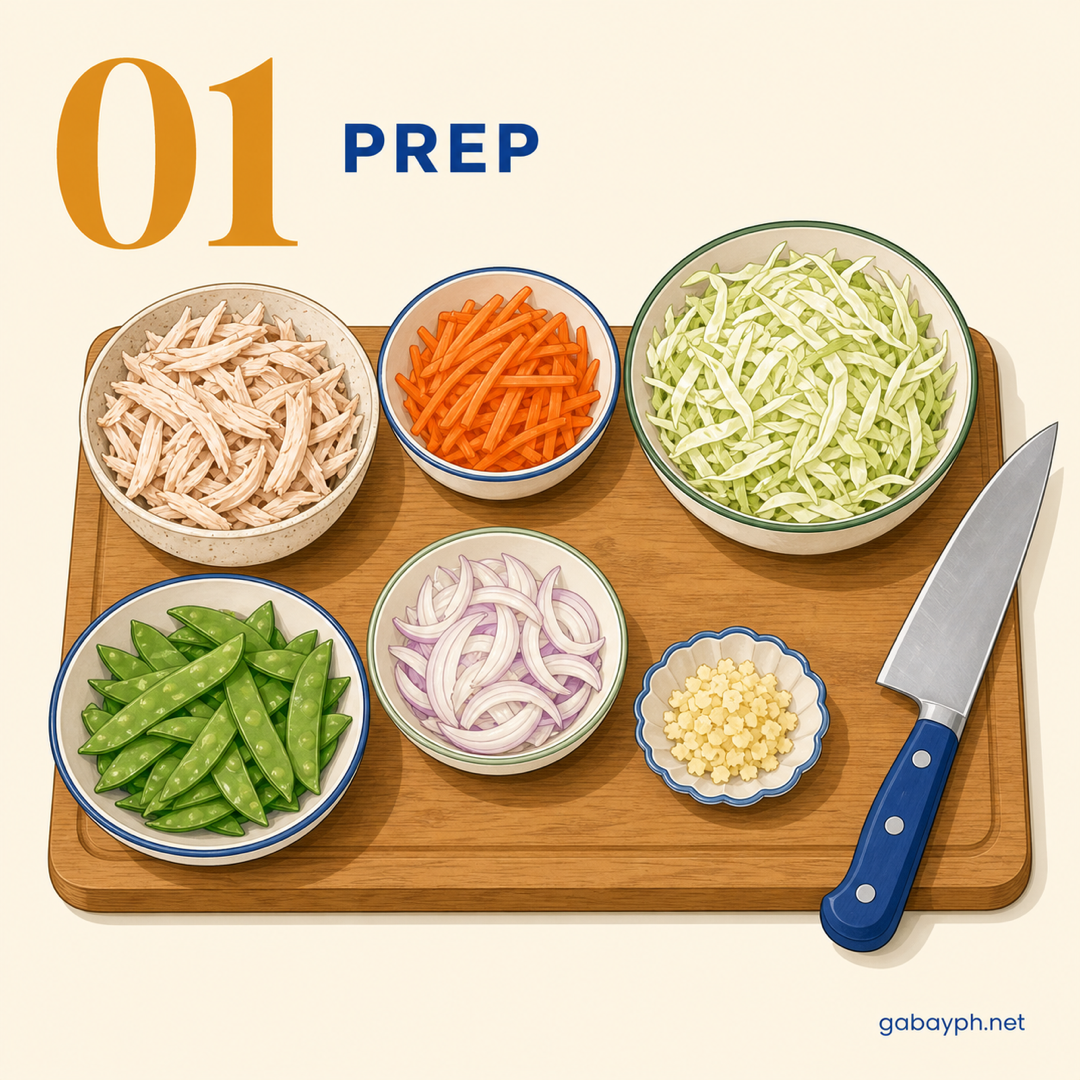
Prepare All Ingredients (Mise en Place)
Prep everything before the wok gets hot — julienne carrots, slice cabbage and onion, mince garlic, and cut meat into thin strips. Mix the soy sauce and oyster sauce in a small bowl and have the chicken broth measured and ready.
-
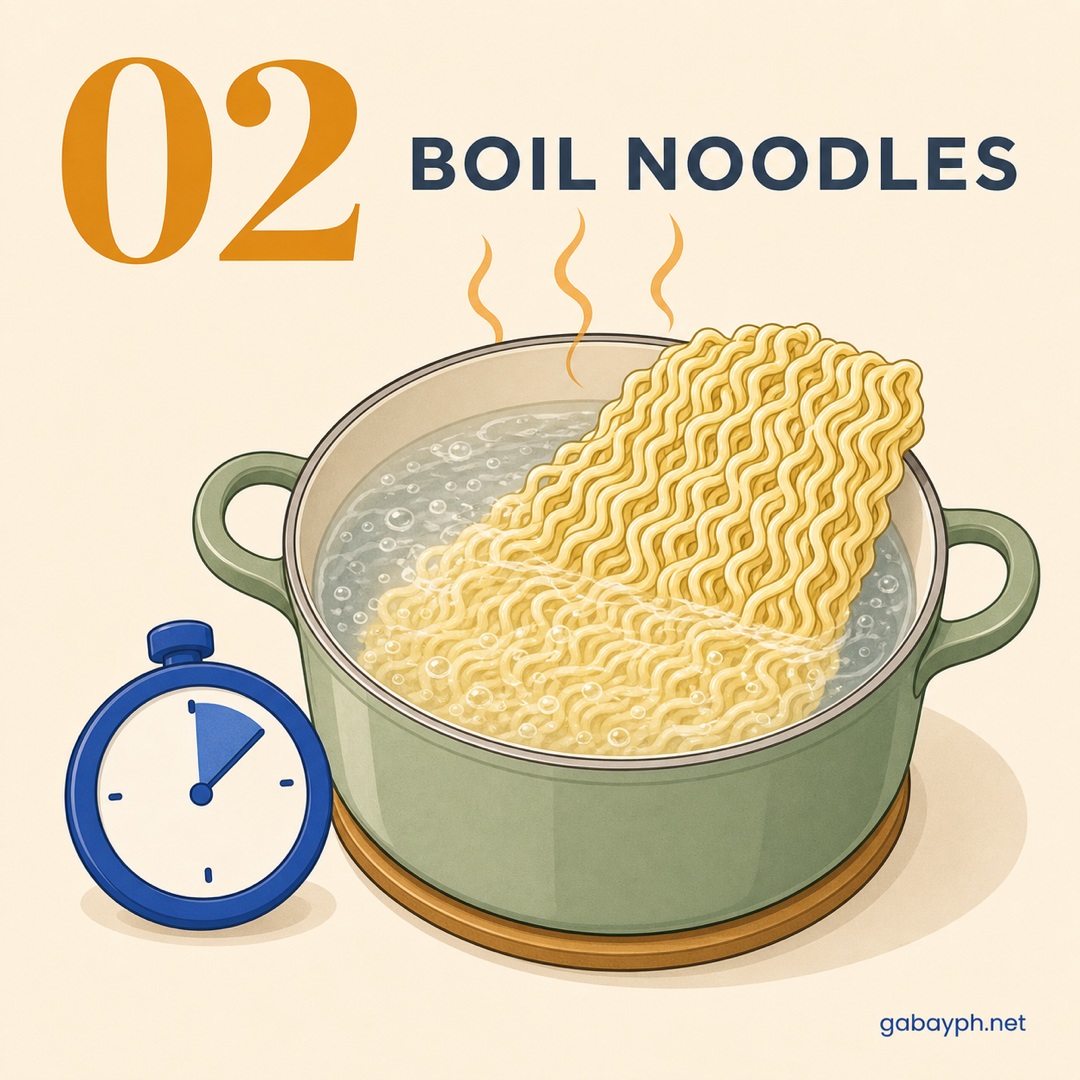
Cook the Canton Noodles Briefly
Bring a pot of water to a rolling boil. Add the canton noodles and cook for only 2 to 3 minutes — you want them slightly undercooked (al dente) because they will continue cooking when you stir-fry them with the sauce. If you overcook them here, they will become mushy and break apart in the wok.
Drain the noodles immediately and rinse with cold water to stop the cooking process. Toss them with a tiny drizzle of oil to prevent sticking, then set aside. Hindi kailangang maging perfectionist — slight clumping is normal and it will separate when you toss it in the wok.
-
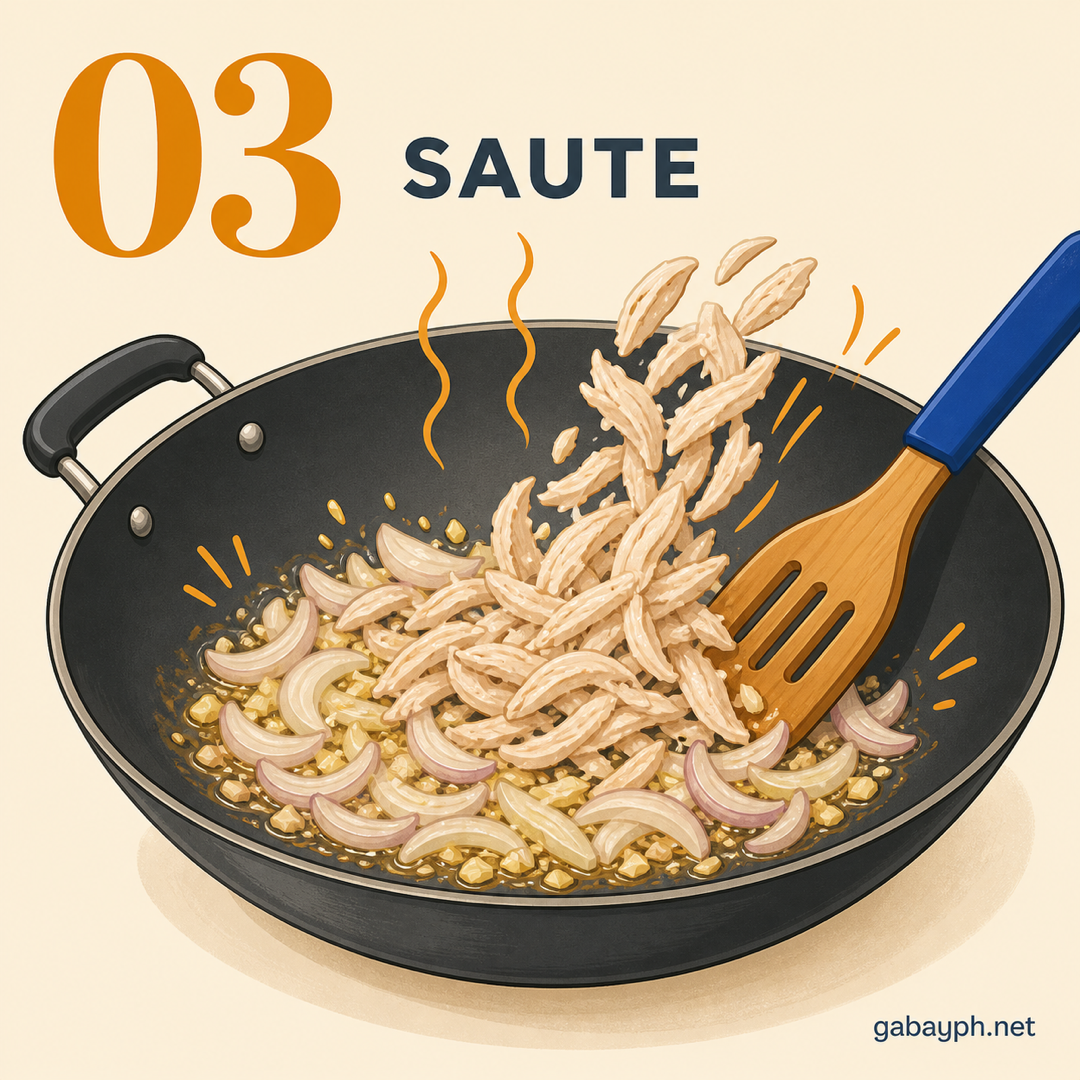
Sauté Garlic, Onion, and Meat
Heat 2 tablespoons of cooking oil in a large wok or wide pan over high heat. When the oil is shimmering, add the garlic and stir for 30 seconds until fragrant (but not burned — burned garlic is bitter). Add the onion and cook for another minute until slightly softened.
Add the pork or chicken strips in a single layer. Let them sear for 2 minutes without moving them — this gives the meat a nice browning. Then stir and cook for another 2-3 minutes until the meat is cooked through. If using pork, make sure there is no pink remaining inside.
-
Ihanda ang Lahat ng Sangkap (Mise en Place)
Ihanda ang lahat bago uminit ang kawali — i-julienne ang karot, hiwain ang repolyo at sibuyas, dikdikin ang bawang, at hiwain ang karne sa manipis na strips. Pagsamahin ang toyo at oyster sauce sa isang maliit na mangkok at ihanda ang chicken broth na nasukat na.
-
Lutuin Sandali ang Canton Noodles
Pakuluan ang isang kaldero ng tubig. Idagdag ang canton noodles at lutuin ng 2 hanggang 3 minuto lang — gusto mo itong medyo hindi pa luto (al dente) dahil patuloy itong magluluto kapag nai-stir-fry mo na sa sarsa. Kung overcooked ito dito, magiging mushy at mababasag sa kawali.
Agad na i-drain ang noodles at banlawan ng malamig na tubig para itigil ang pagluluto. Ihalo ang kaunting mantika para hindi dumikit, pagkatapos ay itabi. Hindi kailangang maging perfectionist — normal lang ang kaunting pagkakadikit at maghihiwalay rin ito kapag hinalo mo sa kawali.
-
I-sauté ang Bawang, Sibuyas, at Karne
Painitin ang 2 kutsarang mantika sa isang malaking kawali o wide pan sa malakas na apoy. Kapag kumikislap ang mantika, idagdag ang bawang at haluin ng 30 segundo hanggang mabango (pero huwag sunugin — mapait ang sunog na bawang). Idagdag ang sibuyas at lutuin ng isa pang minuto hanggang medyo luambot.
Idagdag ang strips ng baboy o manok sa isang patong. Hayaang mag-sear ng 2 minuto nang hindi ginagalaw — nagbibigay ito ng magandang browning sa karne. Pagkatapos ay haluin at lutuin ng 2-3 minuto pa hanggang sa maluto na ang karne. Kung baboy ang ginagamit, siguraduhing wala nang kulay-rosas na natira sa loob.
-
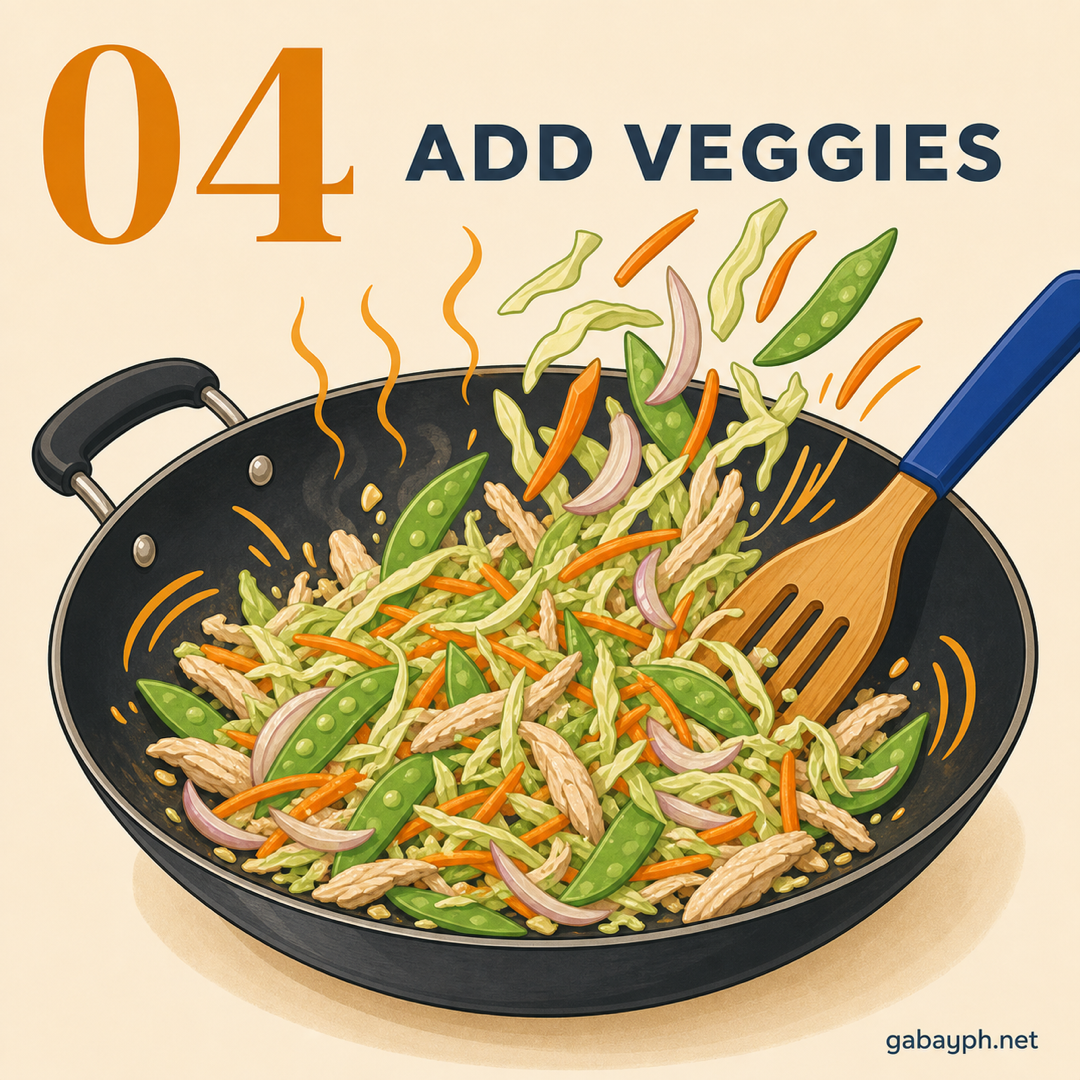
Add the Vegetables
Add the carrots first (they take the longest to cook) and stir-fry for 1 to 2 minutes. Then add the green beans or snow peas and cook for another minute. Finally, add the cabbage — it cooks the fastest, so it goes in last. Stir everything together and cook for just 1 to 2 minutes more. You want the vegetables to be crisp-tender (malambot pero hindi labis) — not mushy.
The key to good pancit vegetables is high heat and fast cooking. Keep the wok screaming hot and keep the vegetables moving. Overcooked vegetables make the entire dish soggy and unappealing.
-
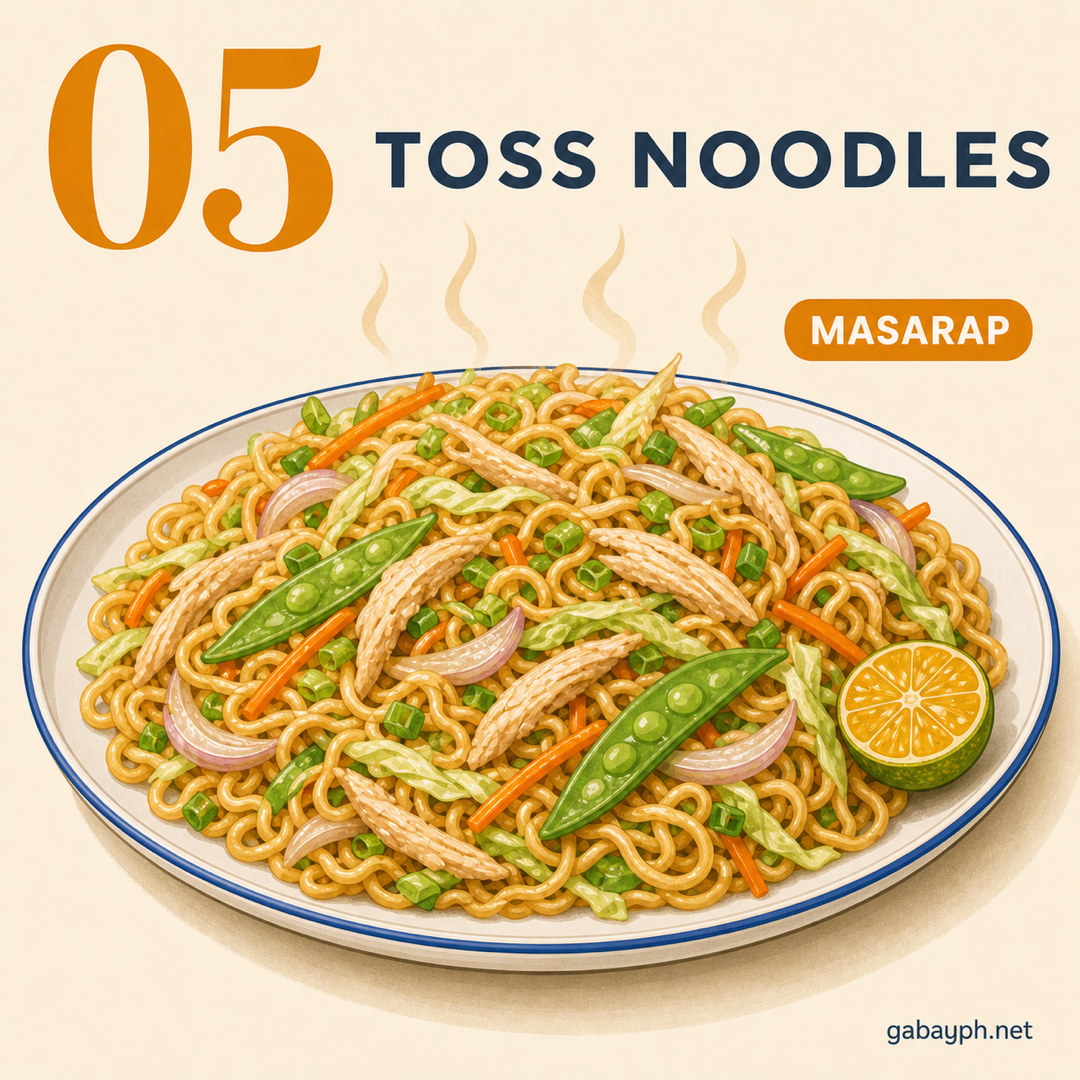
Add the Noodles and Sauce
Add the cooked canton noodles to the wok. Pour the soy sauce and oyster sauce mixture over the noodles. Add the chicken broth — this will help the noodles absorb flavor and loosen any clumps. Using tongs or two spatulas, toss everything together over high heat for 2 to 3 minutes, making sure the sauce is evenly distributed and the noodles are coated.
Taste and adjust: add more soy sauce if it needs salt, a pinch of sugar if it needs balance, or a splash more broth if the noodles seem dry. The noodles should be well-coated, slightly moist, and flavorful — not swimming in liquid.
-
Serve with Calamansi
Transfer the pancit canton to a large serving platter. Arrange the calamansi halves around the edges or on a small dish on the side. The squeeze of fresh calamansi is not optional — it is what makes Filipino pancit special. The bright, citrusy acidity cuts through the rich, savory noodles and wakes up all the flavors.
Serve immediately while hot. Pancit is best eaten fresh from the wok — it does not improve with sitting. Ihain agad at kumain habang mainit. Ang pancit ay pinakamasarap kapag bagong luto.
-
Idagdag ang mga Gulay
Idagdag muna ang mga karot (pinakamahaba ang pagluluto nito) at i-stir-fry ng 1 hanggang 2 minuto. Pagkatapos ay idagdag ang sitaw o sitsaro at lutuin ng isa pang minuto. Sa huli, idagdag ang repolyo — pinakamabilis ito magluto, kaya huli itong ilalagay. Haluin ang lahat at lutuin ng 1 hanggang 2 minuto pa lang. Gusto mo na ang mga gulay ay crisp-tender (malambot pero hindi labis) — hindi mushy.
Ang susi sa magandang pancit vegetables ay malakas na apoy at mabilis na pagluluto. Panatilihing sobrang init ng kawali at panatilihing gumagalaw ang gulay. Ang overcooked na gulay ay ginagawang soggy at hindi kaakit-akit ang buong ulam.
-
Idagdag ang Noodles at Sarsa
Idagdag ang lutong canton noodles sa kawali. Ibuhos ang toyo at oyster sauce mixture sa ibabaw ng noodles. Idagdag ang chicken broth — makakatulong ito sa noodles na sumipsip ng lasa at maluwagan ang mga nakadikit. Gamit ang tongs o dalawang spatula, ihalo ang lahat sa malakas na apoy ng 2 hanggang 3 minuto, siguraduhing pantay ang pagkakalat ng sarsa at nabalubalutan ang mga noodles.
Tikman at i-adjust: magdagdag ng toyo kung kailangan ng alat, isang kurot na asukal kung kailangan ng balanse, o kaunting dagdag na broth kung mukhang tuyo ang noodles. Ang noodles ay dapat well-coated, medyo basa, at malasa — hindi lumulutang sa likido.
-
Ihain kasama ang Calamansi
Ilipat ang pancit canton sa isang malaking serving platter. Ayusin ang mga hinating calamansi sa gilid o sa isang maliit na pinggan sa tabi. Ang pagpiga ng sariwang calamansi ay hindi opsyonal — ito ang nagpapaganda ng Filipino pancit. Ang maliwanag na citrus na asim ay pumupuputol sa mayaman at malinamnam na noodles at ginigising ang lahat ng lasa.
Ihain agad habang mainit. Ang pancit ay pinakamasarap kapag bagong luto — hindi ito gumaganda sa pag-upo. Ihain agad at kumain habang mainit.
Step-by-Step: Pancit Bihon
Hakbang-hakbang: Pancit Bihon
-
Soak the Bihon Noodles
Place the bihon noodles in a large bowl and cover them with room-temperature water. Let them soak for 10 to 15 minutes until they are soft and pliable but not mushy. Unlike canton noodles, you do not boil bihon — soaking is all you need. The noodles will finish cooking when they absorb the broth later in the process.
Drain the soaked noodles and gently separate any clumps with your hands. You can use kitchen scissors to cut the noodles into shorter lengths (about 8-10 inches) — this makes them much easier to toss and serve. Ang bihon na masyadong mahaba ay mahirap ihalo at kainin.
-
Sauté Aromatics and Cook the Meat
Follow the same garlic-onion-meat sauté process as Canton Step 3 above. Season the meat with a splash of soy sauce while it cooks for deeper flavor.
-
Add Broth and Sauces
Pour in 1½ cups chicken broth, the remaining soy sauce, and the fish sauce (patis). Bring to a simmer and taste — this liquid is what the bihon will absorb, so it should be well-seasoned. Adjust with more patis or toyo if needed.
-
Ibabad ang Bihon Noodles
Ilagay ang bihon noodles sa isang malaking mangkok at takpan ng room-temperature na tubig. Hayaang bumabad ng 10 hanggang 15 minuto hanggang sa maging malambot pero hindi mushy. Hindi katulad ng canton, hindi mo kailangang pakuluan ang bihon — sapat na ang pagbabad.
I-drain at dahan-dahang paghiwalayin ang mga nakadikit. Maaari kang gumamit ng kitchen scissors para putulin sa mas maiikling haba (mga 8-10 inches) para mas madaling ihalo.
-
I-sauté ang Aromatics at Lutuin ang Karne
Sundin ang parehong paraan ng paggisa tulad ng Canton Hakbang 3 sa itaas. Timplahan ang karne ng kaunting toyo habang nagluluto para sa mas malalim na lasa.
-
Idagdag ang Sabaw at mga Sarsa
Ibuhos ang 1½ cup chicken broth, ang natirang toyo, at ang patis. Pakuluan nang dahan-dahan at tikman — ang likidong ito ang sisipsipin ng bihon, kaya dapat well-seasoned. I-adjust gamit ang dagdag na patis o toyo kung kailangan.
-
Add the Bihon Noodles
Add the drained bihon noodles into the simmering broth. Using tongs, gently toss and fold the noodles to help them absorb the liquid evenly. Cook for 3 to 5 minutes, turning the noodles frequently. The bihon will soak up the broth and become soft, translucent, and flavorful. If the noodles seem dry before they are fully cooked, add a small splash of broth or water.
Be gentle with bihon — it is more fragile than canton noodles and can break easily if you stir too aggressively. Use a lifting and folding motion rather than stirring in circles.
-
Add the Vegetables
Once the noodles have absorbed most of the liquid, add the carrots and green beans first, toss for 1 minute, then add the cabbage and any remaining vegetables like celery. Toss everything together for another 1 to 2 minutes until the vegetables are crisp-tender. The cabbage should be slightly wilted but still have a bit of crunch.
Some cooks prefer to sauté the vegetables separately before adding them to the noodles — this gives you more control over doneness. If you have a spare pan, try it both ways and see which you prefer.
-
Serve with Calamansi
Transfer the pancit bihon to a large platter. Garnish with calamansi halves and optionally top with fried garlic bits, chopped green onions, or crispy chicharon (crushed pork cracklings). The calamansi squeeze is essential — it brightens the entire dish and is the defining final touch of Filipino pancit.
Pancit bihon is best served immediately. The noodles continue to absorb moisture as they sit, so leftovers can become dry. If reheating, add a splash of broth to revive them. This dish feeds a crowd beautifully — double the recipe for birthday parties, office potlucks, or family reunions.
-
Idagdag ang Bihon Noodles
Idagdag ang drained bihon noodles sa kumukulo na sabaw. Gamit ang tongs, dahan-dahang ihalo at itupi ang noodles para tulungan silang sumipsip ng likido nang pantay. Lutuin ng 3 hanggang 5 minuto, paminsan-minsang baligtarin ang noodles. Sisipsipin ng bihon ang sabaw at magiging malambot, translucent, at malasa. Kung mukhang tuyo ang noodles bago pa sila ganap na maluto, magdagdag ng kaunting sabaw o tubig.
Mag-ingat sa bihon — mas marupok ito kaysa canton noodles at madaling maputol kung masyadong agresibo ang paghahalui. Gumamit ng lifting at folding na galaw sa halip na paghaluing pabilog.
-
Idagdag ang mga Gulay
Kapag nasipsip na ng noodles ang karamihan ng likido, idagdag muna ang mga karot at sitaw, ihalo ng 1 minuto, pagkatapos ay idagdag ang repolyo at anumang natitira pang gulay tulad ng celery. Ihalo ang lahat ng 1 hanggang 2 minuto pa hanggang sa ang mga gulay ay crisp-tender. Ang repolyo ay dapat medyo nalanta pero may kaunting crunch pa rin.
Ang ilang cook ay mas gusto na i-sauté nang hiwalay ang mga gulay bago idagdag sa noodles — nagbibigay ito ng mas maraming kontrol sa doneness. Kung may extra pan ka, subukan ang dalawang paraan at tingnan kung alin ang mas gusto mo.
-
Ihain kasama ang Calamansi
Ilipat ang pancit bihon sa isang malaking platter. Garnish ng mga hinating calamansi at opsyonal na lagyan sa ibabaw ng pritong bawang, hiniwang sibuyas na mura, o malutong na chicharon (dinurog na pork cracklings). Ang pagpiga ng calamansi ay kailangan — binibigyang-liwanag nito ang buong ulam at ito ang defining final touch ng Filipino pancit.
Ang pancit bihon ay pinakamasarap na ihain agad. Ang noodles ay patuloy na sumisipsip ng moisture habang nakaupo, kaya ang mga tira-tira ay maaaring maging tuyo. Kung ininit ulit, magdagdag ng kaunting sabaw para buhayin. Ang ulam na ito ay napakagandang pangpakain sa maraming tao — i-double ang recipe para sa birthday parties, office potlucks, o family reunions.
Pro Tips
Mga Payo
- High heat is the secret to great pancit — A screaming hot wok gives you that slightly charred, smoky flavor (called "wok hei") that makes restaurant pancit taste better than the homemade version. Use your stove's highest setting and do not overcrowd the pan.
- Do not overcook the noodles — Whether it is canton or bihon, slightly undercooking the noodles initially is better than overcooking. They will continue to soften as they absorb sauce and broth. Mushy noodles are the most common pancit mistake.
- Use real calamansi, not lemon — Calamansi has a unique citrus flavor that is not quite like lemon or lime. If you absolutely cannot find calamansi, use a mix of lime juice and a tiny bit of orange juice as a substitute — but fresh calamansi is always best.
- Make it a pancit combo — Some cooks mix both canton and bihon noodles in a single dish (called "pancit bihon canton" or "pancit halo-halo"). Use half the amount of each noodle type and combine them for the best of both textures.
- Malakas na apoy ang sikreto ng magandang pancit — Ang sobrang init na kawali ang nagbibigay ng bahagyang sunog at mausok na lasa (tinatawag na "wok hei") na nagpapaganda sa pancit ng restaurant kaysa sa homemade na bersyon. Gamitin ang pinakamalaking setting ng stove mo at huwag siksikan ang kawali.
- Huwag overcooken ang noodles — Canton man o bihon, mas mabuting bahagyang hindi pa lutong ang noodles sa simula kaysa overcook. Patuloy itong magiging malambot habang sumisipsip ng sarsa at sabaw. Ang mushy na noodles ang pinakakaraniwang pagkakamali sa pancit.
- Gumamit ng tunay na calamansi, hindi lemon — Ang calamansi ay may natatanging citrus flavor na hindi katulad ng lemon o lime. Kung talagang hindi ka makahanap ng calamansi, gumamit ng halo ng lime juice at kaunting orange juice bilang pamalit — pero ang sariwang calamansi ay palaging pinakamahusay.
- Gawing pancit combo — Ang ilang cook ay naghahalohalo ng canton at bihon noodles sa isang ulam (tinatawag na "pancit bihon canton" o "pancit halo-halo"). Gumamit ng kalahati ng dami ng bawat uri ng noodle at pagsamahin para sa pinakamahusay na dalawang texture.
Frequently Asked Questions
Mga Madalas Itanong
What's the difference between Pancit Canton and Pancit Bihon?
Canton uses thick, chewy egg noodles with oyster sauce; Bihon uses thin, soft rice vermicelli with fish sauce (patis). Canton is richer and more robust, while bihon is lighter and more delicate. Many Filipinos mix both in one dish ("pancit bihon canton") for the best of both textures.
Ano ang pagkakaiba ng Pancit Canton at Pancit Bihon?
Ang Canton ay gumagamit ng makapal at chewy na egg noodles na may oyster sauce; ang Bihon naman ay gumagamit ng manipis at malambot na rice vermicelli na may patis. Ang canton ay mas mayaman, habang ang bihon ay mas magaan. Marami ang naghahalohalo ng dalawa ("pancit bihon canton") para sa pinakamahusay na texture.
Can I use instant Pancit Canton (Lucky Me)?
Instant pancit canton (Lucky Me) is a different product — thinner noodles, packet seasoning, different texture. For special occasions, use proper dried canton noodles from the palengke or supermarket for much better chew and sauce absorption.
Maaari ko bang gamitin ang instant Pancit Canton (Lucky Me)?
Ang instant pancit canton (Lucky Me) ay ibang produkto — mas manipis na noodles, packet seasoning, ibang texture. Para sa espesyal na okasyon, gumamit ng tamang dried canton noodles mula sa palengke o supermarket para sa mas magandang chew at pagsipsip ng sarsa.
How do I prevent noodles from clumping?
- Canton: Toss with a drizzle of oil right after draining
- Bihon: Separate gently with your hands after soaking
- Use tongs instead of a spatula to lift and separate
- Add a splash of broth if clumps form
- Do not overcrowd the wok — cook in batches if needed
Paano ko maiiwasan ang pagkakadikit ng noodles?
- Canton: Ihalo sa kaunting mantika agad pagka-drain
- Bihon: Dahan-dahang paghiwalayin gamit ang kamay pagkatapos ibabad
- Gumamit ng tongs sa halip na spatula para iangat at paghiwalayin
- Magdagdag ng kaunting sabaw kung nagkakadikit
- Huwag siksikan ang kawali — magluto nang sunud-sunod kung kailangan
Can I make pancit vegetarian?
Absolutely! Pancit is very adaptable. Simply skip the meat and use vegetable broth instead of chicken broth. Load up on vegetables — add mushrooms (shiitake or oyster mushrooms are great), tofu (pressed and cubed), bell peppers, baby corn, and bok choy in addition to the standard carrots, cabbage, and green beans. For the sauce, replace fish sauce with mushroom soy sauce or regular soy sauce and add a bit of extra oyster sauce (or vegetarian oyster sauce made from mushrooms). You can also add fried tofu puffs for protein. The result is a hearty, flavorful vegetarian pancit that even meat-lovers will enjoy. Kung gusto mo ng mas maraming umami flavor, magdagdag ng kaunting MSG — walang masama doon, promise.
Maaari ko bang gawin ang pancit na vegetarian?
Siyempre! Ang pancit ay napaka-adaptable. I-skip lang ang karne at gumamit ng vegetable broth sa halip na chicken broth. Dagdagan ng gulay — magdagdag ng mushrooms (shiitake o oyster mushrooms ang pinakamahusay), tofu (piniga at ginupit sa cubes), bell peppers, baby corn, at bok choy bilang dagdag sa standard na karot, repolyo, at sitaw. Para sa sarsa, palitan ang patis ng mushroom soy sauce o regular soy sauce at magdagdag ng kaunting dagdag na oyster sauce (o vegetarian oyster sauce na gawa mula sa mushrooms). Maaari ka ring magdagdag ng fried tofu puffs para sa protein. Ang resulta ay isang hearty at malasang vegetarian pancit na kahit ang mga mahilig sa karne ay mag-eenjoy. Kung gusto mo ng mas maraming umami flavor, magdagdag ng kaunting MSG — walang masama doon, promise.