

How to Apply to Work Abroad as an OFW (2026 Complete Guide)
Paano Mag-apply na Magtrabaho sa Ibang Bansa Bilang OFW (2026 Kumpletong Gabay)
The 5-Step Walkthrough
Work abroad in five steps.
Quick Summary
Mabilis na Buod
Table of Contents
Talaan ng Nilalaman
This guide covers the complete OFW application process in 2026 — from PEOS seminar to boarding your flight — using the latest requirements from the Department of Migrant Workers (DMW), which replaced the old POEA.
Sakop ng gabay na ito ang kumpletong proseso ng pag-apply bilang OFW ngayong 2026 — mula sa PEOS seminar hanggang sa pagsakay ng eroplano — gamit ang pinakabagong requirements mula sa Department of Migrant Workers (DMW), na pumalit sa dating POEA.
Requirements Checklist
Listahan ng mga Kailangan
- Valid Philippine passport (at least 6 months validity before expiry)
- PEOS (Pre-Employment Orientation Seminar) certificate
- Resume / CV with relevant work experience and skills
- Educational documents (diploma, transcript of records, certifications)
- NBI Clearance (recent, within 6 months)
- Valid medical exam results from a DOH-accredited clinic
- PDOS (Pre-Departure Orientation Seminar) certificate
- OWWA membership (USD 25, approximately ₱1,400–₱1,500)
- OEC (Overseas Employment Certificate) — also known as the exit clearance
- Authenticated employment contract verified by DMW
- Visa for destination country (arranged by employer/agency)
- Valid na Philippine passport (hindi bababa sa 6 na buwan bago mag-expire)
- PEOS (Pre-Employment Orientation Seminar) certificate
- Resume / CV na may kaugnay na karanasan at kasanayan sa trabaho
- Mga dokumento sa edukasyon (diploma, transcript of records, certifications)
- NBI Clearance (kamakailan, sa loob ng 6 na buwan)
- Valid na resulta ng medical exam mula sa DOH-accredited na klinika
- PDOS (Pre-Departure Orientation Seminar) certificate
- OWWA membership (USD 25, humigit-kumulang ₱1,400–₱1,500)
- OEC (Overseas Employment Certificate) — kilala rin bilang exit clearance
- Authenticated na employment contract na na-verify ng DMW
- Visa para sa destinasyong bansa (inaayos ng employer/ahensya)
Step-by-Step: How to Apply to Work Abroad
Hakbang-hakbang: Paano Mag-apply na Magtrabaho sa Ibang Bansa
-
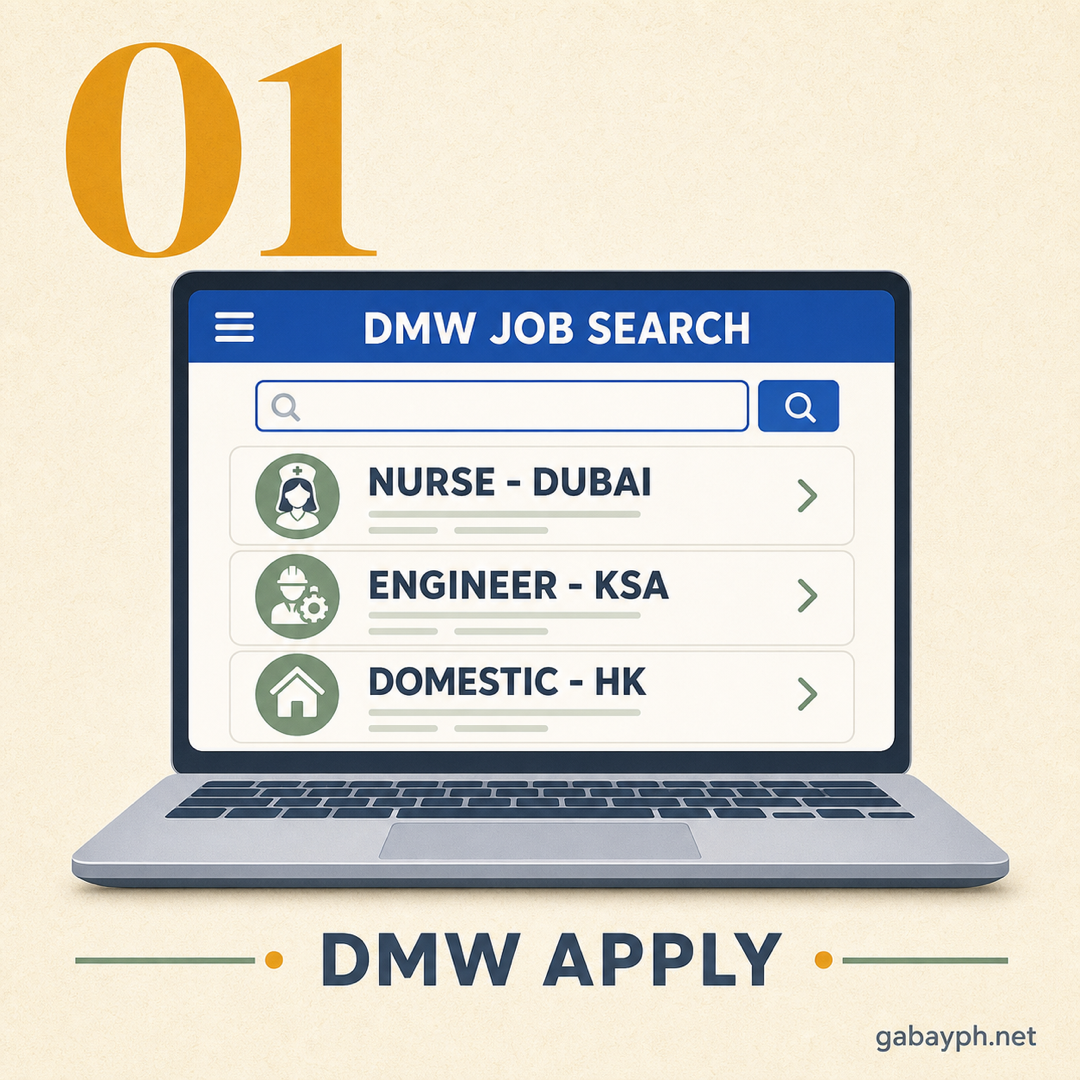
Attend the PEOS (Pre-Employment Orientation Seminar)
Before you even start looking for a job overseas, the DMW requires you to attend the PEOS. This free seminar educates you about the realities of working abroad — your rights, the legal process, warning signs of illegal recruitment, and what to expect in different countries.
How to attend:
- Register online at the DMW website (dmw.gov.ph) or the BM Online portal
- PEOS is offered online and in-person — the online version takes about 3 to 6 hours
- You will receive a PEOS certificate after completion, which is valid for 2 years
This seminar is not just a formality — it genuinely helps you understand what you are getting into. Pay attention, lalo na sa part about illegal recruitment. Maraming horror stories na na-prevent sana kung nag-attend ng PEOS.
-
Find a Job Through a Licensed Recruitment Agency
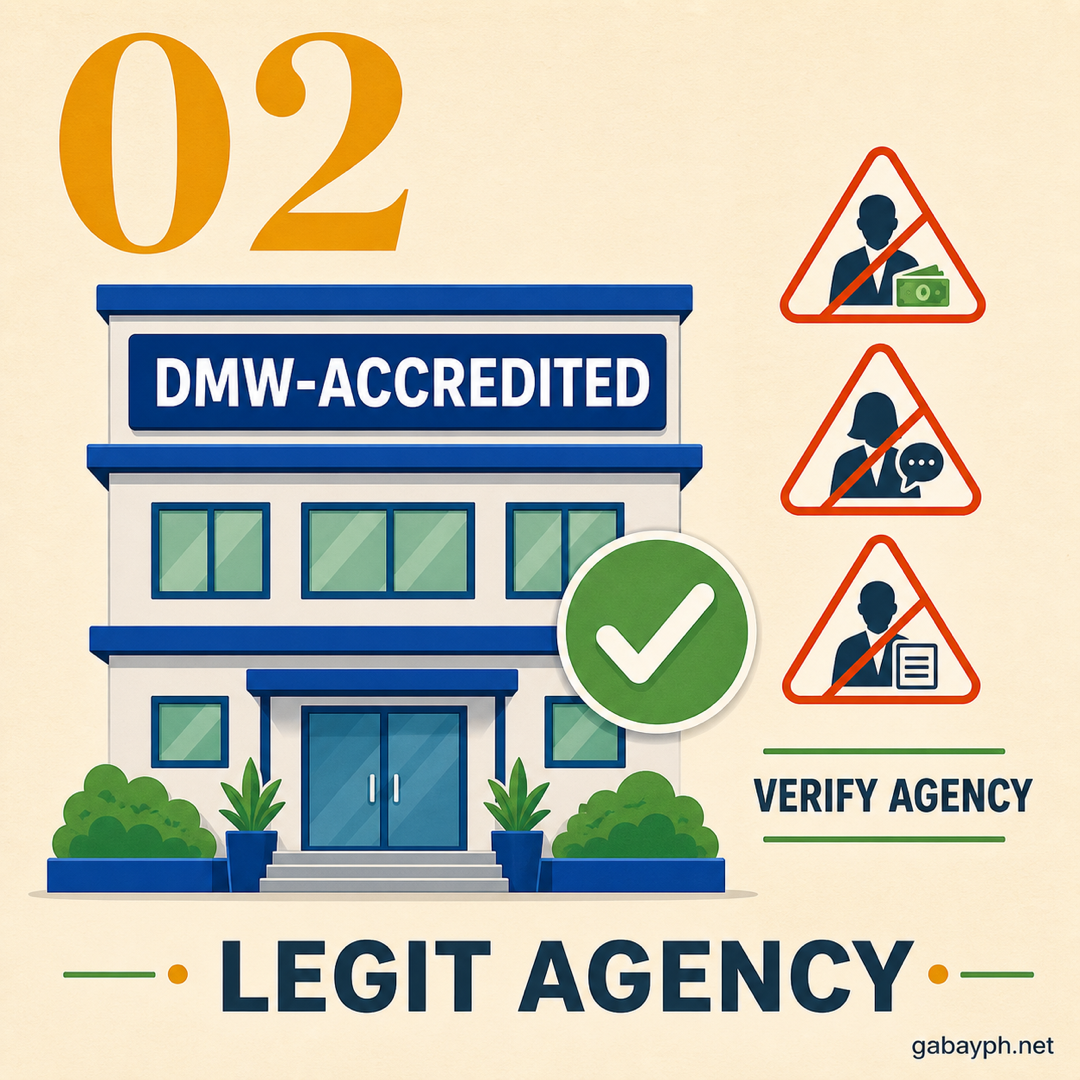
This is the most critical step. Only apply through licensed recruitment agencies that are registered with the DMW. Hindi lahat ng nag-ooffer ng trabaho abroad ay legit.
How to check if an agency is licensed:
- Visit the DMW website and search their online database of licensed agencies
- Call the DMW hotline at 1348 to verify
- Check if the agency has a valid license number displayed at their office
Job openings can be found through:
- DMW-approved job orders posted on the DMW website
- Licensed recruitment agency websites and job postings
- Philippine Overseas Labor Offices (POLOs) in destination countries
- Government-to-government programs (like JITCO for Japan, KFETA for Korea)
Submit your resume, attend interviews, and if selected, the agency will process your employment contract. Make sure to read every clause of your contract carefully. Wag pumirma kung hindi mo naiintindihan.
-
Submit Requirements and Process Documents
Once you have been selected by an employer, your agency will give you a list of specific requirements. Common documents include:
- Updated passport — must have at least 6 months validity
- NBI Clearance — get this early as it can take a few days, especially if you get a "hit"
- Authenticated educational documents — some countries require DFA authentication or apostille
- Skills assessment or certifications — for trades like welding, nursing, caregiving, etc.
- Employment contract — this must be verified and approved by the DMW
Your agency should handle most of the processing, but stay actively involved. Keep copies of everything you submit, and always follow up. Huwag mag-rely na 100% sa agency — ikaw din ang may interest sa sarili mong application.
-
Dumalo sa PEOS (Pre-Employment Orientation Seminar)
Bago ka man lang magsimulang maghanap ng trabaho sa ibang bansa, kinakailangan ng DMW na dumalo ka sa PEOS. Ang libreng seminar na ito ay nag-e-educate sa iyo tungkol sa mga realidad ng pagtatrabaho sa ibang bansa — ang mga karapatan mo, ang legal na proseso, mga palatandaan ng illegal recruitment, at ano ang inaasahan sa iba't ibang bansa.
Paano dumalo:
- Magparehistro online sa DMW website (dmw.gov.ph) o sa BM Online portal
- Ang PEOS ay iniaalok online at in-person — ang online version ay tumatagal ng mga 3 hanggang 6 na oras
- Makakatanggap ka ng PEOS certificate pagkatapos, na valid ng 2 taon
Hindi lang pormalidad ang seminar na ito — talagang makakatulong ito para maintindihan mo kung ano ang papasukin mo. Makinig nang mabuti, lalo na sa bahagi tungkol sa illegal recruitment. Maraming horror stories na na-prevent sana kung nag-attend ng PEOS.
-
Maghanap ng Trabaho sa pamamagitan ng Lisensyadong Recruitment Agency
Ito ang pinaka-kritikal na hakbang. Sa lisensyadong recruitment agencies lang mag-apply na rehistrado sa DMW. Hindi lahat ng nag-ooffer ng trabaho abroad ay legit.
Paano i-check kung lisensyado ang ahensya:
- Bisitahin ang DMW website at hanapin sa online database nila ng mga lisensyadong ahensya
- Tumawag sa DMW hotline sa 1348 para i-verify
- Tingnan kung may valid na license number na nakapaskil sa opisina nila
Ang mga job openings ay matatagpuan sa:
- DMW-approved na job orders na nakaposte sa DMW website
- Mga website at job postings ng lisensyadong recruitment agencies
- Philippine Overseas Labor Offices (POLOs) sa mga destinasyong bansa
- Government-to-government programs (tulad ng JITCO para sa Japan, KFETA para sa Korea)
I-submit ang resume mo, dumalo sa mga interview, at kung mapipili ka, ipoproseso ng ahensya ang employment contract mo. Siguraduhing basahin nang mabuti ang bawat clause ng kontrata mo. Wag pumirma kung hindi mo naiintindihan.
-
I-submit ang mga Requirements at I-proseso ang mga Dokumento
Kapag napili ka na ng employer, bibigyan ka ng ahensya mo ng listahan ng mga partikular na kailangan. Karaniwang mga dokumento:
- Updated na passport — kailangang may hindi bababa sa 6 na buwan bago mag-expire
- NBI Clearance — kunin ito nang maaga dahil maaaring tumagal ng ilang araw, lalo na kung may "hit" ka
- Authenticated na mga dokumento sa edukasyon — ang ilang bansa ay nangangailangan ng DFA authentication o apostille
- Skills assessment o certifications — para sa mga trade tulad ng welding, nursing, caregiving, atbp.
- Employment contract — kailangan itong ma-verify at ma-approve ng DMW
Dapat hawakan ng ahensya mo ang karamihan ng proseso, pero manatiling aktibong kasama. Mag-keep ng kopya ng lahat ng isinumite mo, at palaging mag-follow up. Huwag mag-rely na 100% sa agency — ikaw din ang may interest sa sarili mong application.
-
Complete Your Medical Exam
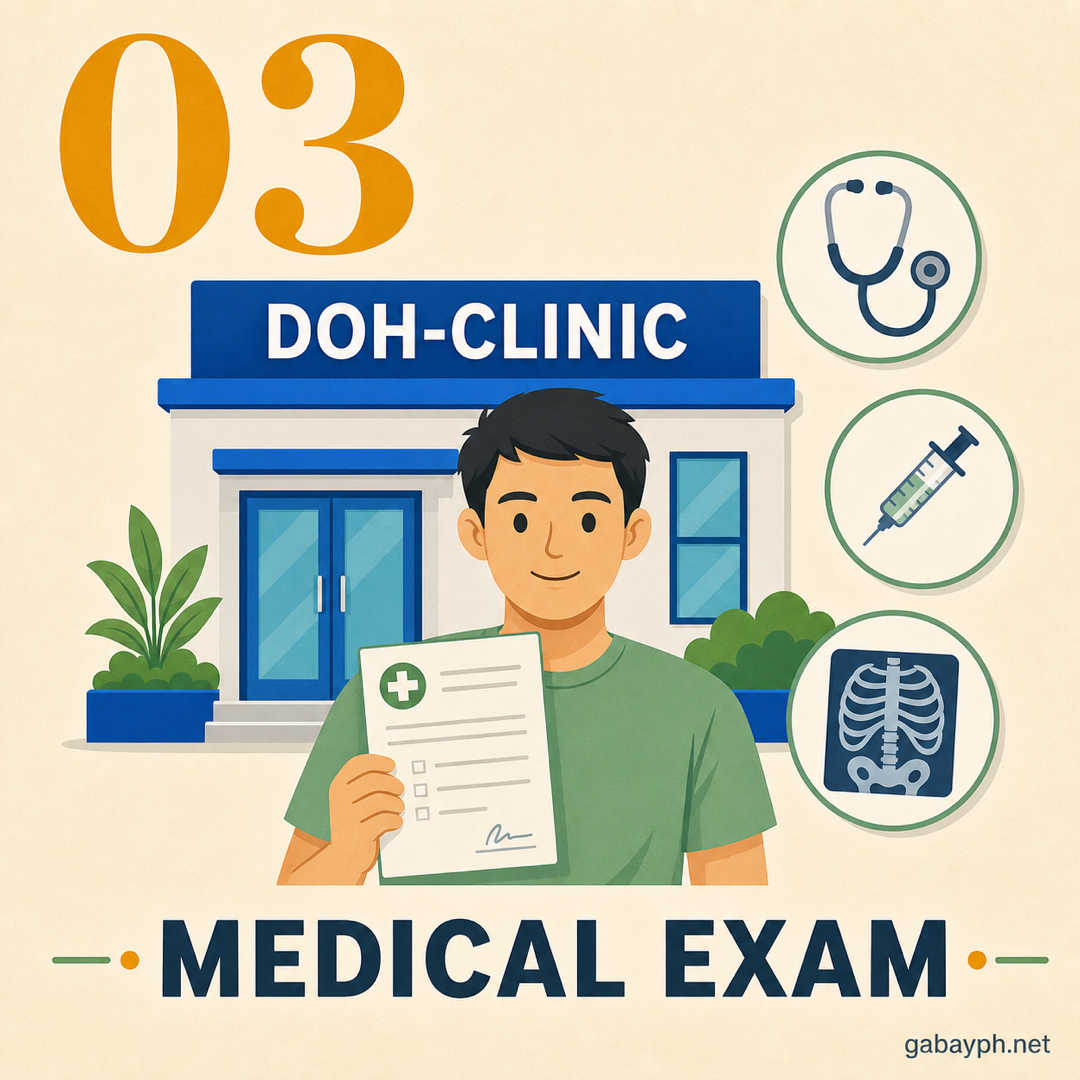
All OFWs are required to undergo a medical examination at a DOH-accredited clinic or hospital. The specific tests depend on your destination country and the type of work, but typically include:
- Physical examination
- Chest X-ray
- Blood tests (CBC, blood typing, hepatitis B screening, HIV test)
- Urinalysis and stool exam
- Drug test
- Dental exam
- Psychological assessment (for certain jobs)
The cost ranges from ₱2,500 to ₱5,000 depending on the clinic and the tests required. Some countries like Saudi Arabia and the UAE have specific medical requirements, so your agency will tell you exactly which tests you need. Results are usually ready in 2 to 3 working days.
Important: If you are found unfit (may medical issue), you may be given time to treat the condition and re-test. Hindi automatic na rejected — pero kailangan i-address yung issue.
-
Attend the PDOS (Pre-Departure Orientation Seminar)
The PDOS is a mandatory seminar held closer to your deployment date. Unlike PEOS (which is general), PDOS is country-specific — you will learn about the culture, laws, working conditions, and practical tips for your specific destination country.
- Register through your recruitment agency or directly at the DMW/OWWA
- The seminar is typically a half-day session
- Bring your passport, employment contract, and other processing documents
- You will receive a PDOS certificate — this is required for your OEC
Take notes — the country-specific info on emergency hotlines and Filipino community services will be crucial once you are abroad.
-
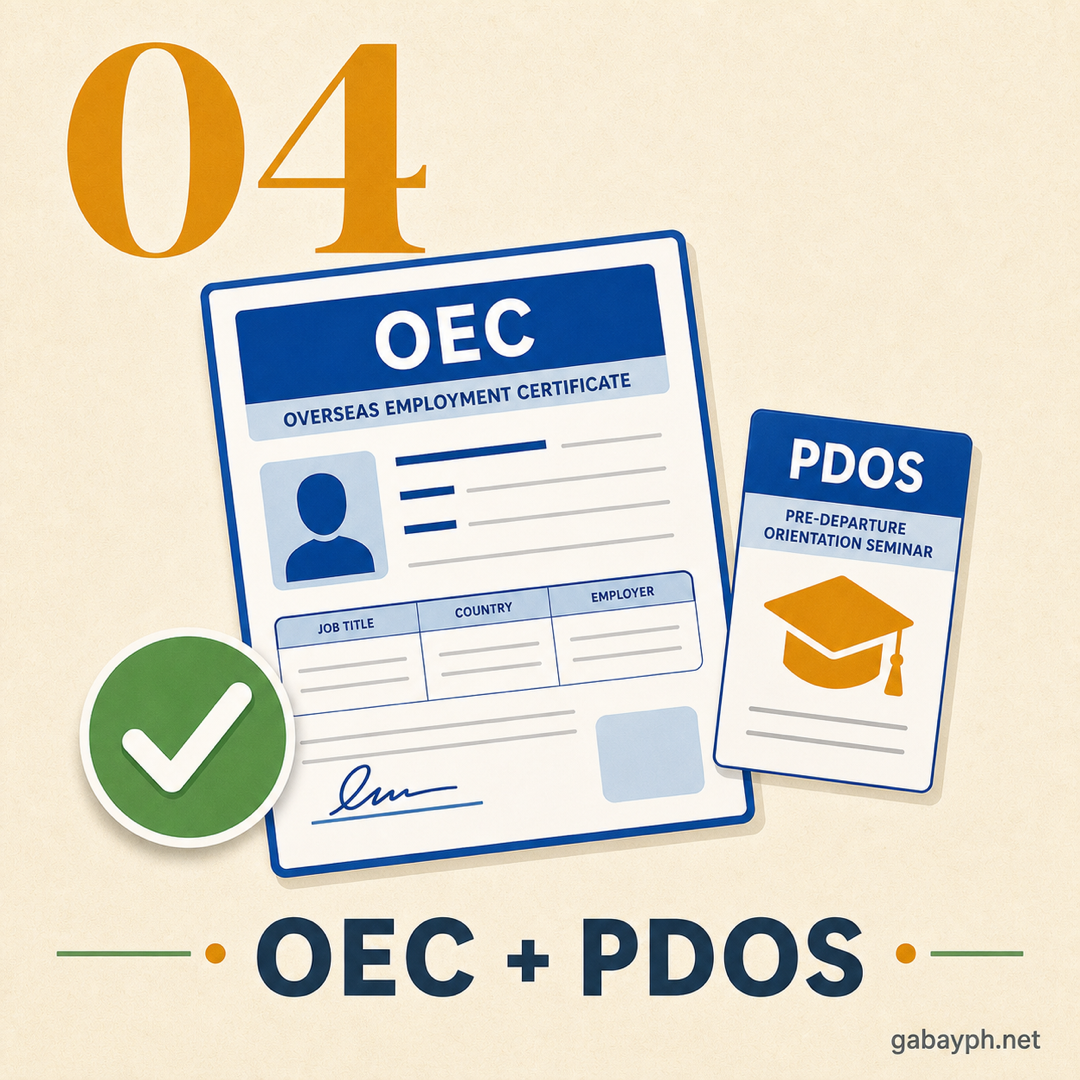
Pay OWWA Membership and Get Your OEC
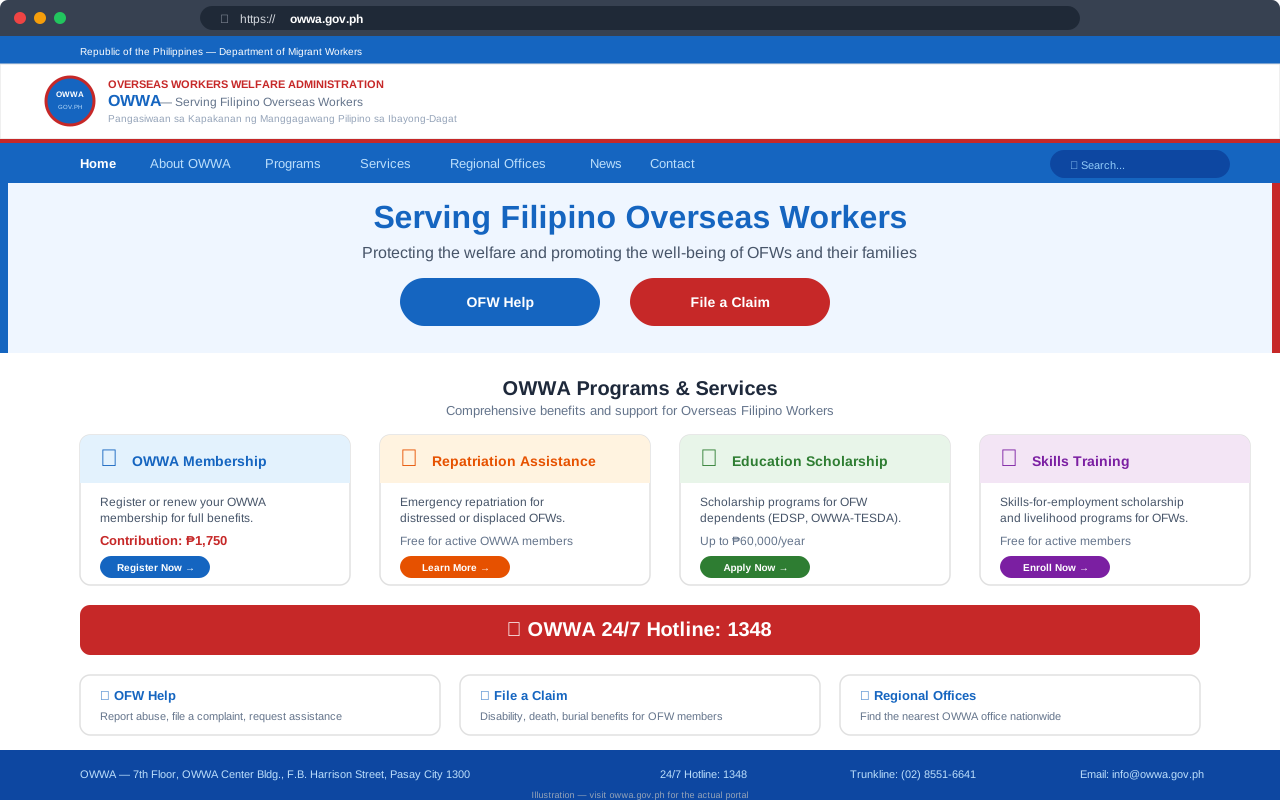
The OWWA (Overseas Workers Welfare Administration) membership costs USD 25 (approximately ₱1,400–₱1,500 depending on the exchange rate) and is valid for 2 years or the duration of your employment contract. This is mandatory for all OFWs.
OWWA benefits include:
- Repatriation assistance in case of emergencies
- Death and disability benefits
- Education and livelihood programs for OFWs and their families
- Skills training and re-integration programs
- OWWA scholarship for dependents
After paying OWWA, you can now get your OEC (Overseas Employment Certificate), also known as the exit clearance. The OEC certifies that you are a legitimate OFW with a verified contract. You can get your OEC through the BM Online system, at the DMW office, or at the airport (POLO desk). For returning OFWs (balik-manggagawa), the OEC can be obtained online for free.
-
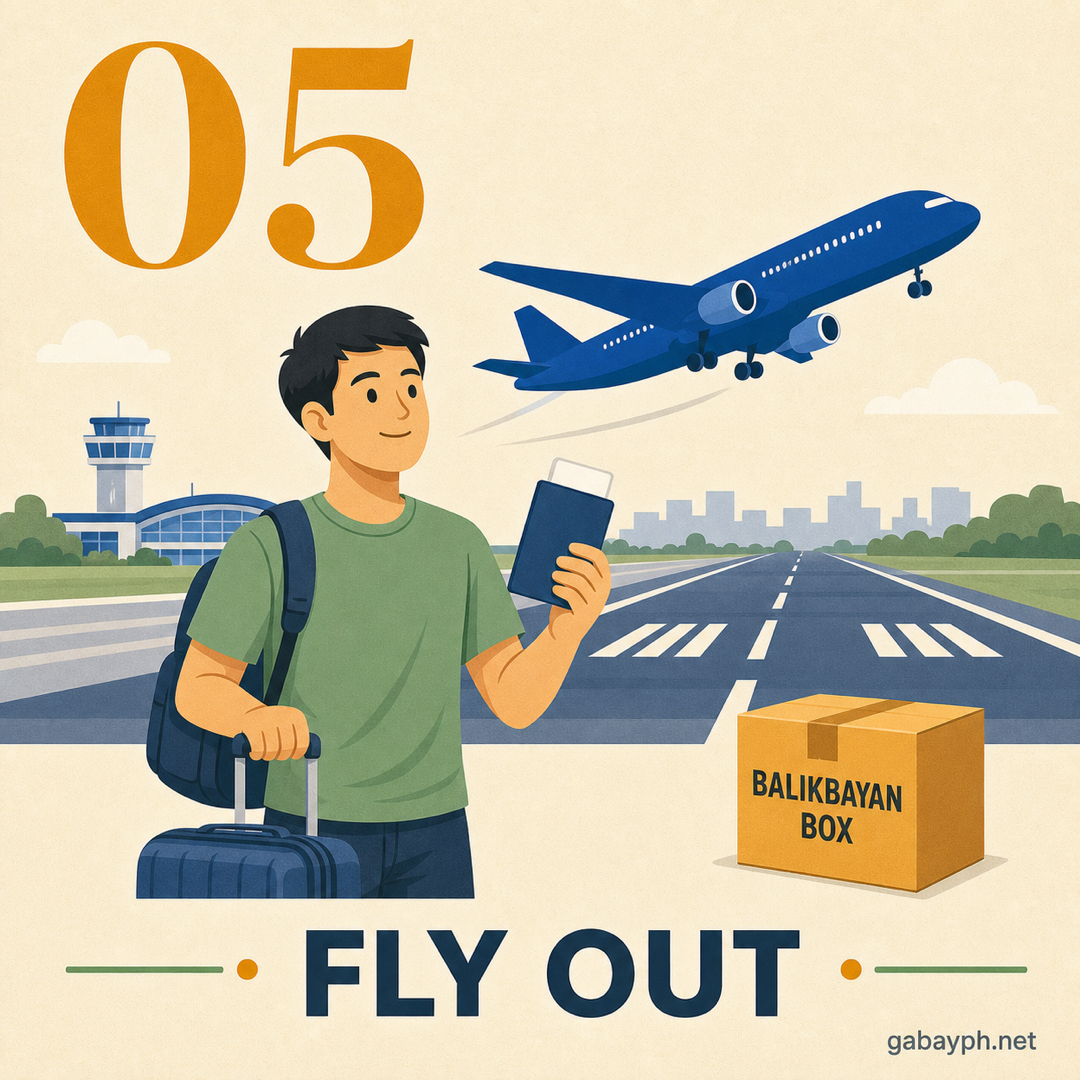
Deploy and Board Your Flight
Once you have all your documents — passport, visa, verified contract, PDOS certificate, OWWA membership, and OEC — you are ready for deployment. Your agency will coordinate your flight and final deployment schedule.
Before you fly:
- Double-check all your documents and have both originals and photocopies
- Save emergency numbers: DMW hotline 1348, OWWA hotline, and the Philippine Embassy/Consulate in your destination country
- Leave copies of all documents with your family
- Set up a remittance plan (bank transfer, GCash, or Western Union) so you can send money home easily
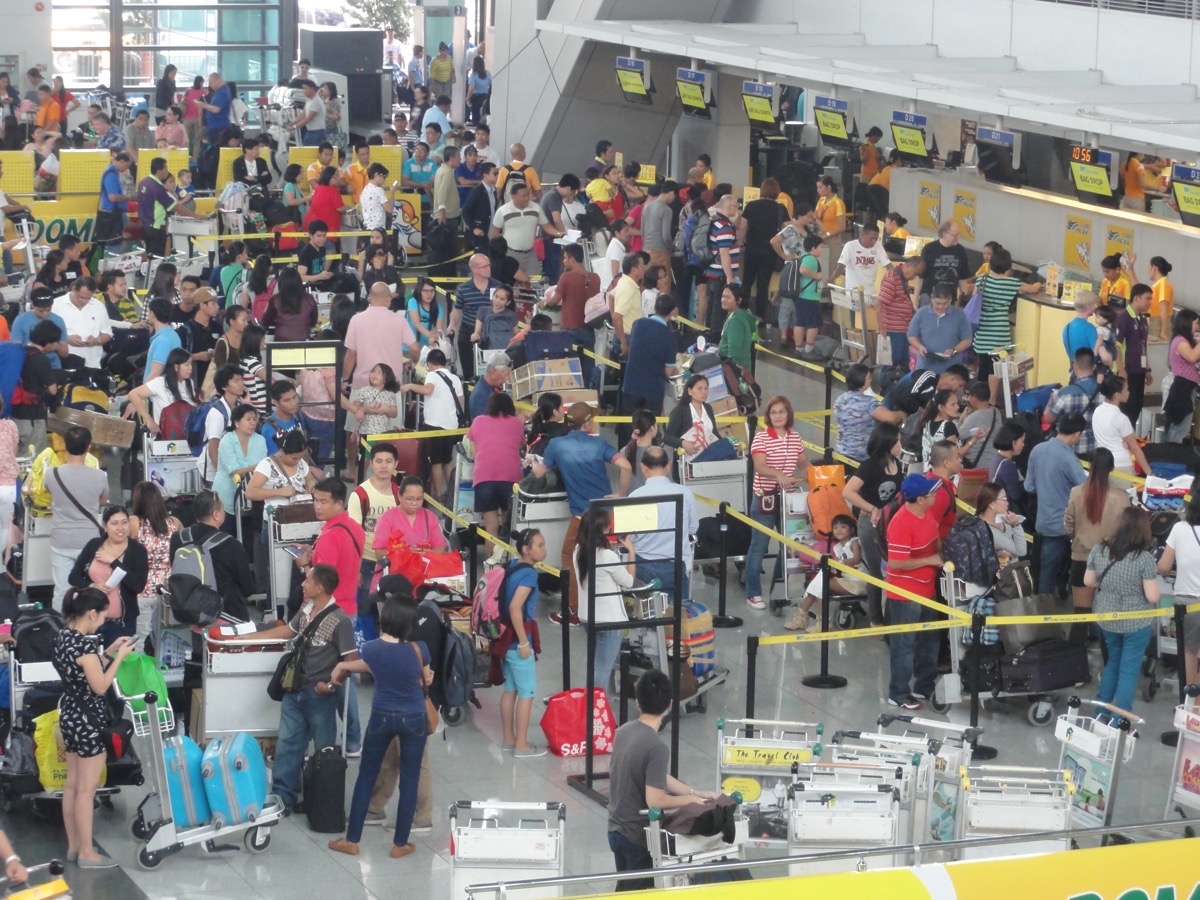
- Arrive at the airport early — OFW processing counters may have separate lines
-
Kumpletuhin ang Medical Exam
Lahat ng OFW ay kailangang sumailalim sa medical examination sa isang DOH-accredited na klinika o ospital. Ang mga partikular na test ay depende sa destinasyong bansa at uri ng trabaho, pero karaniwang kasama ang:
- Physical examination
- Chest X-ray
- Blood tests (CBC, blood typing, hepatitis B screening, HIV test)
- Urinalysis at stool exam
- Drug test
- Dental exam
- Psychological assessment (para sa ilang trabaho)
Ang gastos ay mula ₱2,500 hanggang ₱5,000 depende sa klinika at mga test na kailangan. Ang ilang bansa tulad ng Saudi Arabia at UAE ay may partikular na medical requirements, kaya sasabihin ng ahensya mo kung ano eksaktong mga test ang kailangan mo. Ang mga resulta ay karaniwang handa sa 2 hanggang 3 working days.
Mahalaga: Kung ma-declare kang unfit (may medical issue), maaaring bigyan ka ng oras para gamutin ang kondisyon at mag-re-test. Hindi automatic na rejected — pero kailangan i-address yung issue.
-
Dumalo sa PDOS (Pre-Departure Orientation Seminar)
Ang PDOS ay isang mandatory na seminar na ginaganap malapit na sa petsa ng deployment mo. Hindi tulad ng PEOS (na pangkalahatan), ang PDOS ay partikular sa bansa — matututo ka tungkol sa kultura, mga batas, kondisyon ng trabaho, at praktikal na tips para sa iyong partikular na destinasyong bansa.
- Magparehistro sa pamamagitan ng recruitment agency mo o direkta sa DMW/OWWA
- Ang seminar ay karaniwang kalahating araw na sesyon
- Dalhin ang passport, employment contract, at iba pang mga processing documents
- Makakatanggap ka ng PDOS certificate — kailangan ito para sa OEC mo
Mag-take notes — ang country-specific info sa emergency hotlines at Filipino community services ay mahalaga kapag nasa abroad ka na.
-
Magbayad ng OWWA Membership at Kunin ang OEC
Ang OWWA (Overseas Workers Welfare Administration) membership ay nagkakahalaga ng USD 25 (humigit-kumulang ₱1,400–₱1,500 depende sa exchange rate) at valid ng 2 taon o sa tagal ng employment contract mo. Mandatory ito para sa lahat ng OFW.
Mga benepisyo ng OWWA:
- Tulong sa repatriation kung may emergency
- Mga benepisyo sa pagkamatay at kapansanan
- Mga programa sa edukasyon at kabuhayan para sa mga OFW at kanilang mga pamilya
- Skills training at re-integration programs
- OWWA scholarship para sa mga dependent
Pagkabayad ng OWWA, makukuha mo na ang OEC (Overseas Employment Certificate), kilala rin bilang exit clearance. Nagse-certify ang OEC na ikaw ay lehitimong OFW na may verified na kontrata. Makukuha mo ang OEC sa pamamagitan ng BM Online system, sa DMW office, o sa airport (POLO desk). Para sa mga balik-manggagawa, ang OEC ay makukuha online nang libre.
-
Mag-deploy at Sumakay ng Eroplano
Kapag kumpleto na ang lahat ng dokumento mo — passport, visa, verified na kontrata, PDOS certificate, OWWA membership, at OEC — handa ka na para sa deployment. Iko-coordinate ng ahensya mo ang flight at final deployment schedule mo.
Bago ka lumipad:
- I-double check ang lahat ng dokumento mo at dalhin ang parehong originals at photocopies
- I-save ang mga emergency numbers: DMW hotline 1348, OWWA hotline, at Philippine Embassy/Consulate sa destinasyong bansa mo
- Mag-iwan ng kopya ng lahat ng dokumento sa pamilya mo
- Mag-set up ng remittance plan (bank transfer, GCash, o Western Union) para madali kang makapagpadala ng pera sa bahay
- Dumating nang maaga sa airport — ang OFW processing counters ay maaaring may hiwalay na pila
Common OFW Destination Countries
Mga Karaniwang Destinasyon ng OFW
The Philippines deploys workers to over 100 countries, but the most common destinations include:
Nagde-deploy ang Pilipinas ng mga manggagawa sa mahigit 100 bansa, pero ang mga pinakakaraniwang destinasyon ay:
- Saudi Arabia — The largest employer of Filipino workers, especially for construction, domestic work, healthcare, and engineering
- United Arab Emirates (Dubai, Abu Dhabi) — Hospitality, retail, construction, and professional services
- Hong Kong — Primarily domestic helpers, one of the highest-paying destinations for this job category
- Singapore — Manufacturing, domestic work, marine, and healthcare
- Japan — Manufacturing, caregiving (under JITCO/TITP), and the Specified Skilled Worker (SSW) visa program
- Canada — Healthcare workers, caregivers, and skilled trades through pathways like the Temporary Foreign Worker Program
- Kuwait, Qatar, Bahrain, Oman — Various sectors including construction and domestic work
- Saudi Arabia — Ang pinakamalaking employer ng mga Pilipinong manggagawa, lalo na para sa construction, domestic work, healthcare, at engineering
- United Arab Emirates (Dubai, Abu Dhabi) — Hospitality, retail, construction, at professional services
- Hong Kong — Pangunahin para sa domestic helpers, isa sa mga pinakamataas na sahod na destinasyon para sa kategoryang ito
- Singapore — Manufacturing, domestic work, marine, at healthcare
- Japan — Manufacturing, caregiving (sa ilalim ng JITCO/TITP), at ang Specified Skilled Worker (SSW) visa program
- Canada — Healthcare workers, caregivers, at skilled trades sa pamamagitan ng mga pathway tulad ng Temporary Foreign Worker Program
- Kuwait, Qatar, Bahrain, Oman — Iba't ibang sektor kabilang ang construction at domestic work
Warning Signs of Illegal Recruiters
Mga Palatandaan ng Illegal na Recruiter
Illegal recruitment is a serious problem. Here are red flags to watch out for — mag-ingat ka:
Ang illegal recruitment ay isang seryosong problema. Narito ang mga red flags na dapat bantayan — mag-ingat ka:
- They ask for excessive fees upfront — Max placement fee is one month's salary. Never pay before you have a verified job offer.
- They guarantee a job or a specific salary — If it sounds too good to be true, it probably is.
- They communicate only through social media — Legitimate agencies have physical offices.
- They pressure you to decide immediately — A real opportunity will not disappear overnight.
- They ask for your passport to hold — Never surrender your passport except during official processing.
- Humihingi sila ng sobrang bayad agad-agad — Max na placement fee ay isang buwang sahod. Huwag magbayad bago may verified na job offer.
- Gina-guarantee nila ang trabaho o partikular na sahod — Kung parang too good to be true, malamang totoo nga.
- Nag-co-communicate lang sila sa social media — Ang lehitimong ahensya ay may physical na opisina.
- Pine-pressure ka nilang magdesisyon agad — Ang tunay na oportunidad ay hindi mawawala overnight.
- Hinihingi nila ang passport mo para hawakan — Huwag kailanman isuko ang passport mo maliban sa opisyal na proseso.
Pro Tips
Mga Payo
- Always use the DMW hotline 1348 to verify agencies, job orders, and any concerns about your application. This is your primary protection.
- Build your skills before applying — TESDA offers free or affordable certifications in welding, caregiving, housekeeping, and other in-demand skills abroad. The more certified you are, the better your job options and salary.
- Learn basic phrases in your destination country's language — Even just "hello," "thank you," and "please" can make your transition smoother. For Japan, basic Nihongo is often required.
- Join OFW communities on Facebook — Groups for specific countries (like "Pinoy sa Dubai" or "OFW sa Japan") are invaluable for real-world advice, housing tips, and moral support.
- Keep all your receipts and documents — From agency payments to medical results, keep everything organized. You may need them for disputes, renewals, or tax purposes.
- Palaging gamitin ang DMW hotline 1348 para i-verify ang mga ahensya, job orders, at kahit anong alalahanin tungkol sa application mo. Ito ang pangunahing proteksyon mo.
- Palakasin ang mga skills mo bago mag-apply — Nag-aalok ang TESDA ng libre o abot-kayang certifications sa welding, caregiving, housekeeping, at iba pang in-demand na skills sa abroad. Mas maraming certification mo, mas maganda ang job options at sahod mo.
- Matuto ng mga basic na phrase sa wika ng destinasyong bansa — Kahit "hello," "thank you," at "please" lang, makakatulong para mas maayos ang transition mo. Para sa Japan, kadalasang kinakailangan ang basic Nihongo.
- Sumali sa mga OFW communities sa Facebook — Ang mga grupo para sa partikular na bansa (tulad ng "Pinoy sa Dubai" o "OFW sa Japan") ay napakahalaga para sa real-world advice, housing tips, at moral support.
- I-keep lahat ng resibo at dokumento mo — Mula sa mga bayad sa ahensya hanggang sa medical results, panatilihing organisado ang lahat. Maaaring kailanganin mo ito para sa disputes, renewals, o tax purposes.
Frequently Asked Questions
Mga Madalas Itanong
How do I check if a recruitment agency is licensed?
The simplest way is to visit the DMW website at dmw.gov.ph and search their database of licensed recruitment agencies. You can search by agency name, location, or license number. You can also call the DMW hotline at 1348 — they can verify any agency in real time. Never apply through an agency that is not on this list, kahit gaano pa kaganda yung offer nila.
Paano ko i-check kung lisensyado ang isang recruitment agency?
Ang pinakasimpleng paraan ay bisitahin ang DMW website sa dmw.gov.ph at hanapin sa database nila ng mga lisensyadong recruitment agencies. Maaari kang maghanap ayon sa pangalan ng ahensya, lokasyon, o license number. Maaari ka ring tumawag sa DMW hotline sa 1348 — makakapag-verify sila ng kahit anong ahensya sa real time. Huwag kailanman mag-apply sa ahensyang wala sa listahang ito, kahit gaano pa kaganda yung offer nila.
What is an OEC and do I need one?
The OEC (Overseas Employment Certificate), also called the exit clearance, is a document that proves you are a properly documented OFW with a verified employment contract. Yes, it is mandatory for all OFWs. You need it to leave the Philippines for work. Without it, you may be stopped at the airport. First-time OFWs get their OEC through the DMW as part of the deployment process. Returning OFWs (balik-manggagawa) can get it online for free through the BM Online system — it takes just a few minutes.
Ano ang OEC at kailangan ko ba nito?
Ang OEC (Overseas Employment Certificate), na tinatawag ding exit clearance, ay isang dokumento na nagpapatunay na ikaw ay maayos na nakadokumentong OFW na may verified na employment contract. Oo, mandatory ito para sa lahat ng OFW. Kailangan mo ito para makaalis ng Pilipinas para magtrabaho. Kung wala ito, maaaring pigilan ka sa airport. Ang mga first-time OFW ay nakakakuha ng OEC sa pamamagitan ng DMW bilang bahagi ng proseso ng deployment. Ang mga balik-manggagawa ay makakakuha nito online nang libre sa pamamagitan ng BM Online system — ilang minuto lang.
How much should I pay a recruitment agency?
Under Philippine law, a recruitment agency can charge you a maximum placement fee of one month's salary. For some countries and job categories, the fee is even lower or completely shouldered by the employer (like in Hong Kong, where domestic workers should not pay any placement fee). Never pay fees before you have a verified job offer. If an agency is asking for more than one month's salary, that is a red flag. Report them to the DMW.
Magkano ang dapat kong bayaran sa recruitment agency?
Sa ilalim ng batas ng Pilipinas, ang recruitment agency ay maaaring maningil ng maximum na placement fee na isang buwang sahod. Para sa ilang bansa at kategorya ng trabaho, mas mababa pa o binabayaran na ng employer (tulad ng sa Hong Kong, kung saan hindi dapat magbayad ng kahit anong placement fee ang mga domestic workers). Huwag kailanman magbayad bago may verified na job offer. Kung humihingi ang ahensya ng higit sa isang buwang sahod, red flag yan. I-report sila sa DMW.