

How to Report Online Harassment in the Philippines (2026 Guide)
Paano Mag-report ng Online Harassment sa Pilipinas (2026 Gabay)

5 Things to Know
Online harassment in five facts.
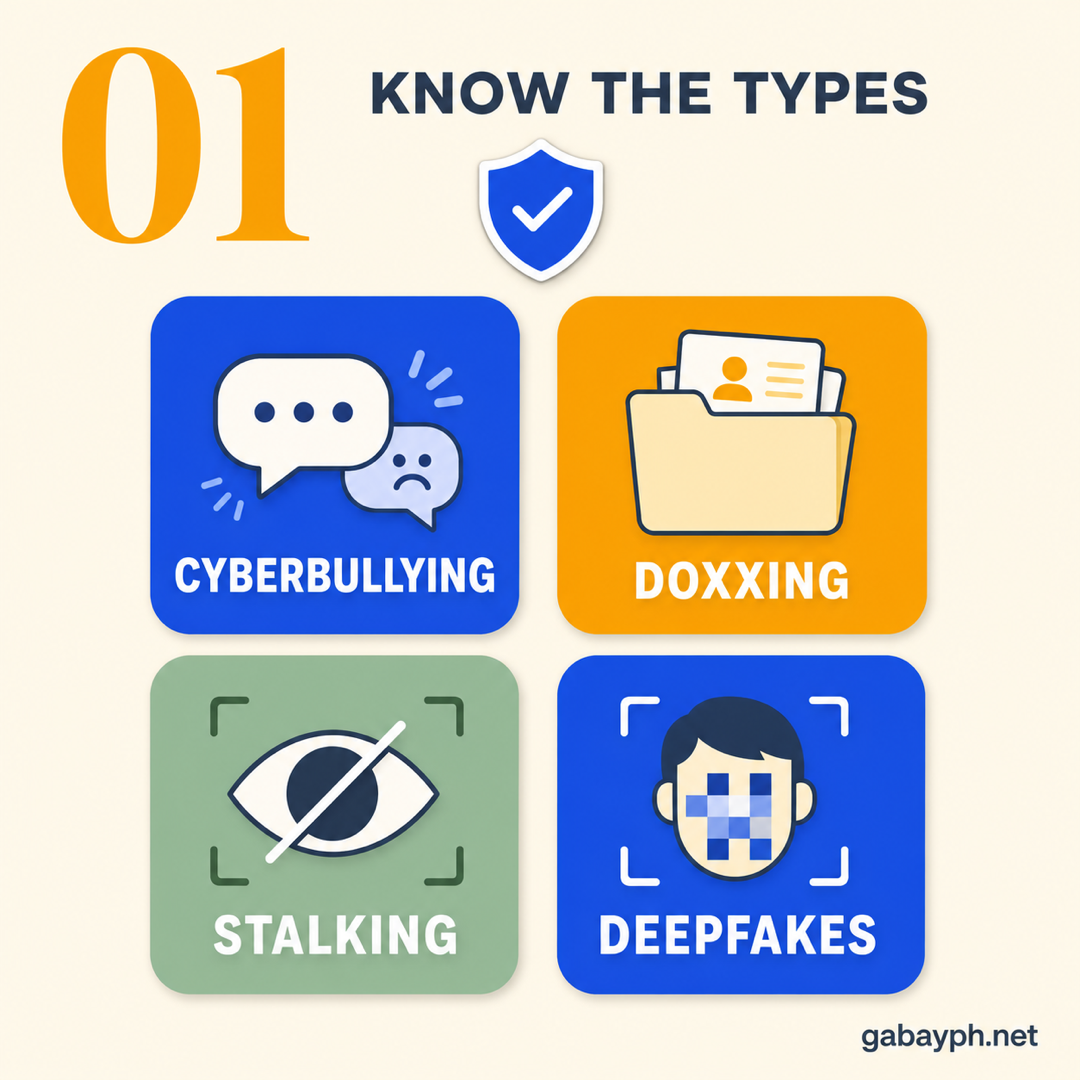
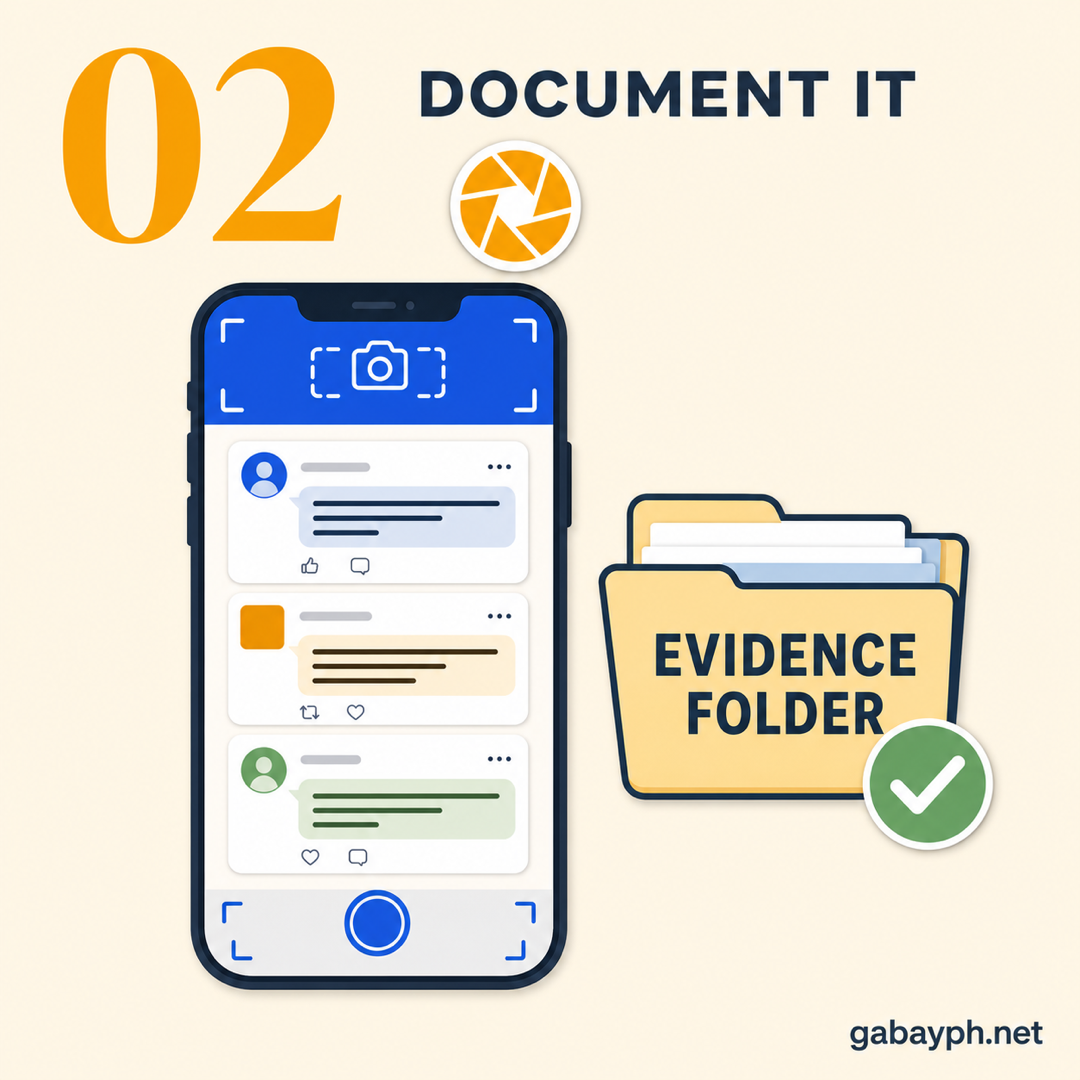
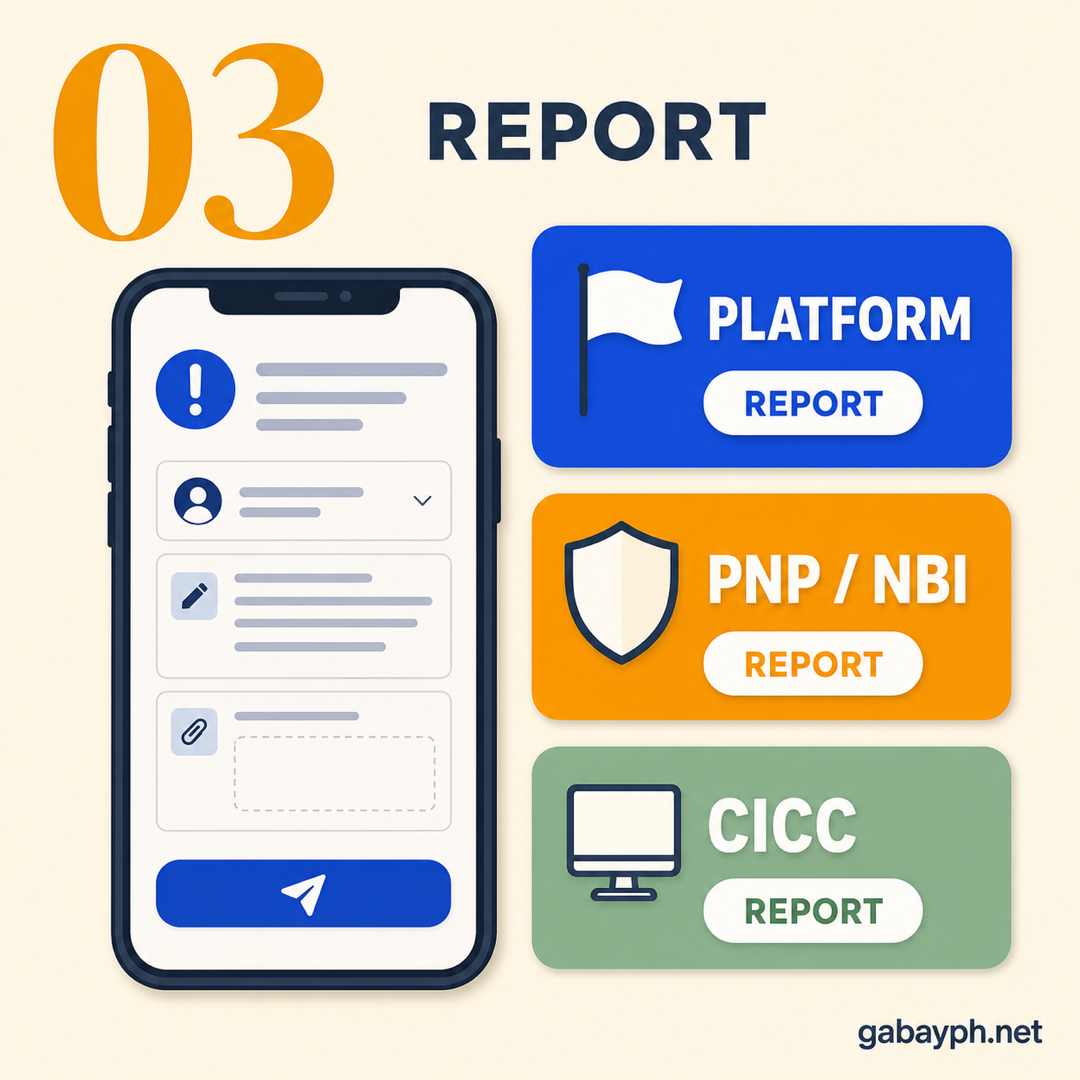
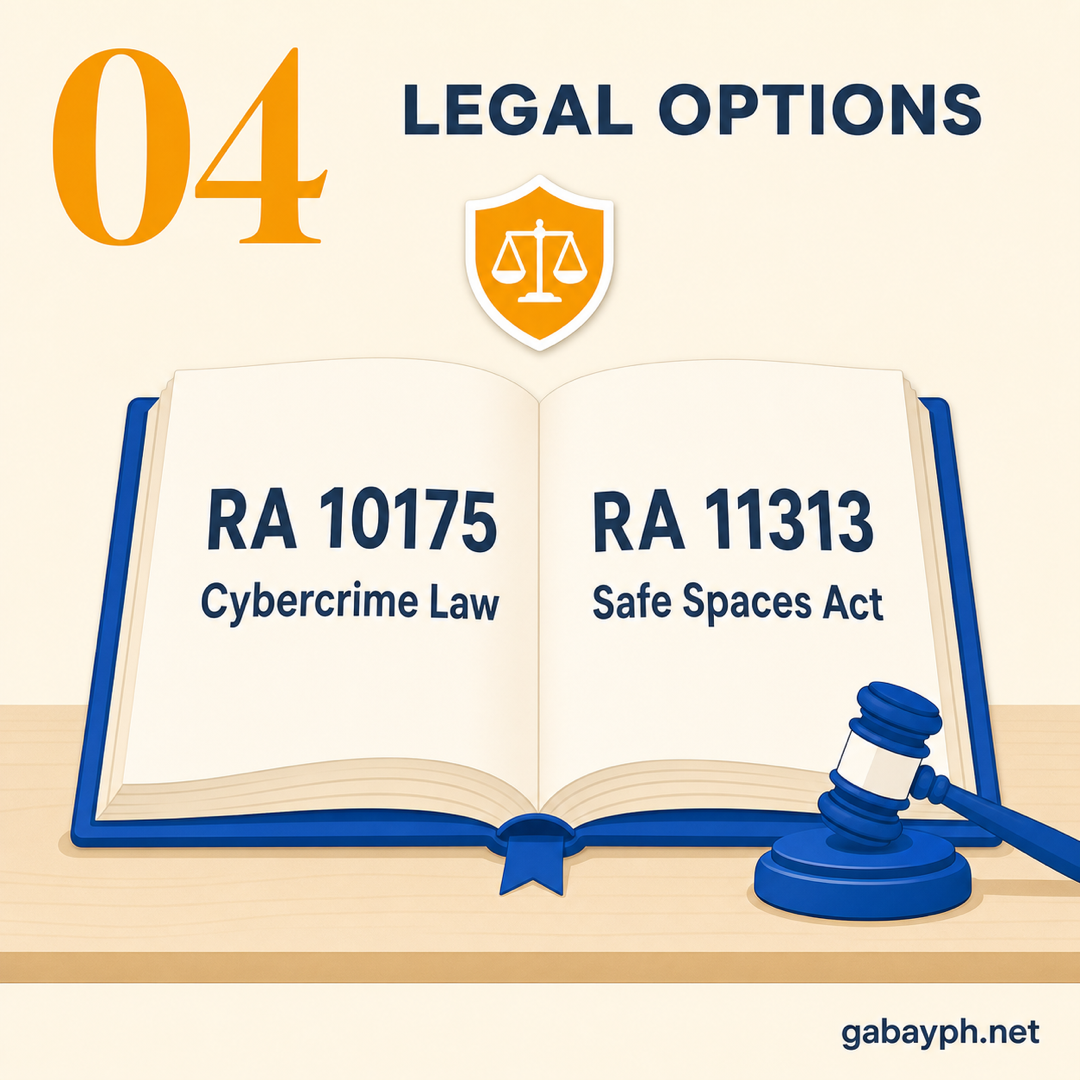
If you are being threatened or are in immediate danger, call 911 now.
PNP ACG Hotline: (02) 723-0401 loc. 7491 | NBI: crd@nbi.gov.ph
What is happening to you is not your fault. Help is available.
Kung ikaw ay tinatakot o nasa panganib ngayon, tumawag sa 911.
PNP ACG Hotline: (02) 723-0401 loc. 7491 | NBI: crd@nbi.gov.ph
Hindi mo kasalanan ang nangyayari. May tulong na available.
Quick Summary
Mabilis na Buod
Legal Information Disclaimer: This guide provides general legal information based on Philippine law as of April 2026. It is not legal advice. Every situation is different. For advice specific to your case, consult a lawyer or contact the Public Attorney’s Office (PAO) at (02) 8929-9436 for free legal aid.
Paalala sa Legal na Impormasyon: Ang gabay na ito ay nagbibigay ng pangkalahatang legal na impormasyon batay sa batas ng Pilipinas noong Abril 2026. Ito ay hindi legal advice. Iba-iba ang bawat sitwasyon. Para sa payo na angkop sa iyong kaso, kumonsulta sa abogado o makipag-ugnayan sa Public Attorney’s Office (PAO) sa (02) 8929-9436 para sa libreng tulong legal.
Table of Contents
- Step 1: Know Your Rights Under Philippine Law
- Step 2: Document the Harassment
- Step 3: Report on the Platform
- Step 4: File a Police Report (PNP ACG)
- Step 5: File with the NBI Cybercrime Division
- Step 6: Consider Legal Action
- Step 7: Protect Yourself Going Forward
- Crisis Hotlines & Contacts
- Pro Tips
- Frequently Asked Questions
Talaan ng Nilalaman
- Hakbang 1: Alamin ang Iyong Karapatan sa Batas
- Hakbang 2: I-document ang Harassment
- Hakbang 3: I-report sa Platform
- Hakbang 4: Mag-file sa PNP ACG
- Hakbang 5: Mag-file sa NBI Cybercrime Division
- Hakbang 6: Isaalang-alang ang Legal Action
- Hakbang 7: Protektahan ang Sarili Mo
- Mga Crisis Hotline at Contact
- Mga Pro Tips
- Mga Madalas Itanong
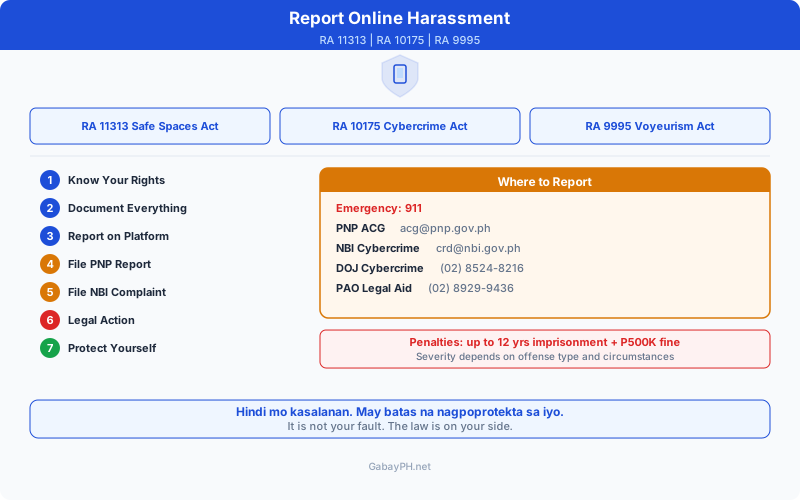
Step 1: Know Your Rights Under Philippine Law
Hakbang 1: Alamin ang Iyong Karapatan sa Batas ng Pilipinas
Three major Philippine laws protect you from online harassment. Understanding which law applies to your situation helps you file the right complaint and sets expectations on penalties.
Tatlong pangunahing batas ng Pilipinas ang nagpoprotekta sa iyo laban sa online harassment. Ang pag-unawa kung aling batas ang naaangkop sa iyong sitwasyon ay tumutulong sa tamang pag-file at inaasahang parusa.
RA 11313 — Safe Spaces Act (Bawal Bastos Law)
RA 11313 — Safe Spaces Act (Bawal Bastos Law)
Enacted in 2019, RA 11313 specifically covers gender-based online sexual harassment. This includes cyberstalking, incessant unwanted messaging, sending unsolicited sexual content, sharing someone’s photos or personal information online to harass, and sexist, misogynistic, homophobic, or transphobic slurs online.
Ang RA 11313 na ipinatupad noong 2019 ay sumasaklaw sa gender-based online sexual harassment. Kasama dito ang cyberstalking, paulit-ulit na hindi gustong mensahe, pagpapadala ng sexual content na hindi hiningi, pag-share ng litrato o personal na impormasyon ng iba online para mang-harass, at sexist, misogynistic, homophobic, o transphobic na mga insulto online.
- Penalty: Prisión correccional in its medium period (2 years, 11 months and 11 days to 3 years, 6 months and 20 days) + fine of ₱100,000 to ₱500,000
- Higher penalties if the victim is a minor, senior, PWD, or if the offender is a government employee or uniformed personnel
- Parusa: Prisión correccional sa medium period (2 taon, 11 buwan at 11 araw hanggang 3 taon, 6 na buwan at 20 araw) + multa na ₱100,000 hanggang ₱500,000
- Mas mataas na parusa kung ang biktima ay menor de edad, senior citizen, PWD, o kung ang offender ay government employee o uniformed personnel
RA 10175 — Cybercrime Prevention Act of 2012
RA 10175 — Cybercrime Prevention Act of 2012
Covers broader cybercrimes including cyber libel (defamatory statements posted online), identity theft (using your name, photos, or data without consent), illegal access (hacking accounts), and cybersex. Penalties under RA 10175 are one degree higher than their offline equivalents.
Sumasaklaw sa mas malawak na cybercrimes kabilang ang cyber libel (defamatory statements na na-post online), identity theft (paggamit ng iyong pangalan, litrato, o data nang walang pahintulot), illegal access (pag-hack ng accounts), at cybersex. Ang mga parusa sa ilalim ng RA 10175 ay isang antas na mas mataas kaysa sa offline equivalents.
- Cyber libel: Prisión correccional maximum to prisión mayor minimum (4 years, 2 months and 1 day to 8 years) + fine of ₱6,000 to amount determined by court
- Identity theft: Prisión mayor (6 years, 1 day to 12 years) + fine of at least ₱200,000
- Note: The Supreme Court ruled that only the original author of a libelous post is liable — not those who share, like, or react to it
- Cyber libel: Prisión correccional maximum hanggang prisión mayor minimum (4 na taon, 2 buwan at 1 araw hanggang 8 taon) + multa na ₱6,000 hanggang halaga na itinakda ng korte
- Identity theft: Prisión mayor (6 na taon, 1 araw hanggang 12 taon) + multa na hindi bababa sa ₱200,000
- Paalala: Naipasya ng Korte Suprema na ang orihinal na may-akda lamang ng libelous post ang mananagot — hindi ang mga nag-share, nag-like, o nag-react dito
RA 9995 — Anti-Photo and Video Voyeurism Act of 2009
RA 9995 — Anti-Photo and Video Voyeurism Act of 2009
Criminalizes the unauthorized recording, copying, selling, distributing, or publishing of intimate photos or videos without consent. Even if the person originally consented to being recorded, distributing that material is still a crime.
Ikinukulong ang hindi pinahintulutang pag-record, pagkopya, pagbenta, pamamahagi, o pag-publish ng intimate na litrato o video nang walang pahintulot. Kahit pumayag ang tao na ma-record, ang pamamahagi ng material na iyon ay krimen pa rin.
- Penalty: 3 to 7 years imprisonment + fine of ₱100,000 to ₱500,000, or both
- Applies even if the victim initially consented to be photographed or recorded
- Parusa: 3 hanggang 7 taon na pagkakulong + multa na ₱100,000 hanggang ₱500,000, o pareho
- Naaangkop kahit pumayag ang biktima na makuhanan ng litrato o video sa simula
Step 2: Document the Harassment
Hakbang 2: I-document ang Harassment
Evidence is critical. Without it, investigations stall. Do this before reporting on the platform — once you report, the content may be removed and you lose evidence.
Napakahalaga ng ebidensya. Kung wala ito, natigil ang imbestigasyon. Gawin ito bago mag-report sa platform — kapag nag-report ka, maaaring ma-remove ang content at mawala ang ebidensya.
- Screenshot everything. Capture the offending posts, messages, or comments. Include the profile of the harasser (name, profile URL, account handle).
- Record timestamps. Note the date and time of each incident. Screenshots should show the post date/time if possible.
- Capture the URL. Copy the direct link to the post or message. On mobile, look for “Copy Link” options.
- Save the full conversation. If it’s in a chat, do not screenshot only the worst part. Save the full exchange for context.
- Back up to multiple locations. Email screenshots to yourself, save to cloud storage (Google Drive, iCloud), or send copies to a trusted person.
- Do not edit or crop evidence. Present evidence as-is. Edited screenshots can be challenged in court.
- I-screenshot ang lahat. Kunan ang mga nakakasakit na post, mensahe, o komento. Isama ang profile ng harasser (pangalan, profile URL, account handle).
- I-record ang timestamps. Itala ang petsa at oras ng bawat insidente. Dapat ipakita ng screenshots ang petsa/oras ng post kung maaari.
- Kunan ang URL. Kopyahin ang direktang link sa post o mensahe. Sa mobile, hanapin ang “Copy Link” options.
- I-save ang buong conversation. Kung nasa chat, huwag i-screenshot lang ang pinakamalala. I-save ang buong usapan para sa konteksto.
- Mag-backup sa maraming lugar. I-email ang screenshots sa sarili mo, i-save sa cloud storage (Google Drive, iCloud), o magpadala ng kopya sa pinagkakatiwalaang tao.
- Huwag mag-edit o mag-crop ng ebidensya. Ipresenta ang ebidensya na as-is. Ang mga na-edit na screenshot ay maaaring i-challenge sa korte.
Step 3: Report on the Platform
Hakbang 3: I-report sa Platform
After documenting evidence, report the harassment through the platform’s built-in tools. This can result in content removal or account suspension while you pursue legal action.
Pagkatapos mag-document ng ebidensya, i-report ang harassment sa pamamagitan ng built-in tools ng platform. Ito ay maaaring magresulta sa pag-remove ng content o suspension ng account habang hinahabol mo ang legal action.
Facebook / Messenger
Facebook / Messenger
Tap the three dots (...) on the post or message → “Find Support or Report” → select “Harassment” or “Violence” as the reason. For profiles: go to the profile → three dots → “Report.” For intimate images: use Facebook’s Non-Consensual Intimate Images reporting form at facebook.com/help.
I-tap ang tatlong tuldok (...) sa post o mensahe → “Find Support or Report” → piliin ang “Harassment” o “Violence” bilang dahilan. Para sa profiles: pumunta sa profile → tatlong tuldok → “Report.” Para sa intimate images: gamitin ang Non-Consensual Intimate Images reporting form ng Facebook sa facebook.com/help.
TikTok
Long-press the video or tap the arrow icon → “Report” → select “Harassment and bullying” or “Hateful behavior.” For DMs: tap and hold the message → “Report.”
I-long-press ang video o i-tap ang arrow icon → “Report” → piliin ang “Harassment and bullying” o “Hateful behavior.” Para sa DMs: i-tap at i-hold ang mensahe → “Report.”
Tap the three dots on a post or story → “Report” → follow the prompts. For DMs: hold the message → “Report.” Instagram also has a dedicated image abuse reporting path for intimate images shared without consent.
I-tap ang tatlong tuldok sa post o story → “Report” → sundin ang mga prompt. Para sa DMs: i-hold ang mensahe → “Report.” May dedicated na image abuse reporting path din ang Instagram para sa intimate images na na-share nang walang pahintulot.
X (Twitter)
Tap the three dots on a tweet → “Report post” → select “It’s abusive or harmful.” For DMs: tap the message → “Report message.”
I-tap ang tatlong tuldok sa tweet → “Report post” → piliin ang “It’s abusive or harmful.” Para sa DMs: i-tap ang mensahe → “Report message.”
Step 4: File a Police Report with PNP Anti-Cybercrime Group
Hakbang 4: Mag-file ng Police Report sa PNP Anti-Cybercrime Group
The PNP Anti-Cybercrime Group (ACG) is the primary law enforcement unit for cybercrime complaints. You can file in person or initiate the process online.
Ang PNP Anti-Cybercrime Group (ACG) ang pangunahing law enforcement unit para sa mga reklamo sa cybercrime. Maaari kang mag-file nang personal o simulan ang proseso online.
- Prepare your complaint-affidavit. Write a sworn statement describing what happened — who harassed you, when, where (which platform), and how. Attach all your screenshots and evidence. Have the affidavit notarized.
- Go to PNP ACG Headquarters at Camp BGen. Rafael T. Crame, Quezon City, or visit any Regional Anti-Cybercrime Unit. You can also start through the PNP ACG online portal or e-Sumbong platform.
- Submit your complaint with the affidavit, printed screenshots, URL records, valid government ID, and any other evidence.
- Get your reference number. The PNP will assign a case reference. Keep this for follow-ups.
- Ihanda ang iyong complaint-affidavit. Sumulat ng sinumpaang pahayag na naglalarawan ng nangyari — sino ang nang-harass sa iyo, kailan, saan (aling platform), at paano. Ilakip ang lahat ng screenshots at ebidensya mo. Ipa-notarize ang affidavit.
- Pumunta sa PNP ACG Headquarters sa Camp BGen. Rafael T. Crame, Quezon City, o bumisita sa anumang Regional Anti-Cybercrime Unit. Maaari ka ring magsimula sa PNP ACG online portal o e-Sumbong platform.
- I-submit ang iyong reklamo kasama ang affidavit, printed screenshots, URL records, valid government ID, at anumang iba pang ebidensya.
- Kunin ang iyong reference number. Mag-aassign ang PNP ng case reference. Itabi ito para sa mga follow-ups.
Step 5: File with the NBI Cybercrime Division
Hakbang 5: Mag-file sa NBI Cybercrime Division
You can file with the NBI in addition to or instead of the PNP. The NBI Cybercrime Division handles more complex cases and has forensic capabilities.
Maaari kang mag-file sa NBI bilang dagdag o kapalit ng PNP. Ang NBI Cybercrime Division ang humahawak ng mas kumplikadong mga kaso at may forensic capabilities.
- Prepare the same documents as the PNP filing: notarized complaint-affidavit, evidence, and valid ID.
- Visit the NBI Cybercrime Division at NBI Headquarters, Taft Avenue, Manila, or any NBI regional office with cybercrime capabilities.
- For initial reporting, you can email your complaint to crd@nbi.gov.ph or use the NBI online complaint portal at nbi.gov.ph/online-complaint. Formal filing still requires in-person submission.
- Expect an interview. The NBI may require supplemental statements. Processing typically takes around 30 days for initial assessment.
- Ihanda ang parehong mga dokumento tulad ng sa PNP: notarized complaint-affidavit, ebidensya, at valid ID.
- Bumisita sa NBI Cybercrime Division sa NBI Headquarters, Taft Avenue, Manila, o sa anumang NBI regional office na may cybercrime capabilities.
- Para sa initial reporting, maaari mong i-email ang iyong reklamo sa crd@nbi.gov.ph o gamitin ang NBI online complaint portal sa nbi.gov.ph/online-complaint. Ang pormal na pag-file ay nangangailangan pa rin ng personal na pagpunta.
- Mag-asahan ng interview. Maaaring mangailangan ang NBI ng karagdagang pahayag. Ang processing ay karaniwang tumatagal ng 30 araw para sa initial assessment.
Step 6: Consider Legal Action
Hakbang 6: Isaalang-alang ang Legal Action
After filing with the PNP or NBI, you may pursue criminal prosecution. Here is what to expect and where to get help.
Pagkatapos mag-file sa PNP o NBI, maaari mong isulong ang criminal prosecution. Narito ang mga inaasahan at kung saan ka makakakuha ng tulong.
- The Prosecutor’s Office conducts a preliminary investigation based on your complaint and evidence. If probable cause is found, a criminal case is filed in court.
- DOJ Office of Cybercrime coordinates prosecution of cybercrime cases. Contact: cybercrime@doj.gov.ph | (02) 8524-8216 | Ermita, Manila.
- Free legal aid: The Public Attorney’s Office (PAO) at (02) 8929-9436 loc. 106/107 provides free legal representation. No indigency test required for harassment victims.
- Civil damages: Beyond criminal penalties, you can file a separate civil case for moral and exemplary damages against the harasser.
- CICC (Cybercrime Investigation and Coordinating Center) under DICT helps coordinate inter-agency cybercrime cases. Website: cicc.gov.ph.
- Ang Prosecutor’s Office ang nagsasagawa ng preliminary investigation batay sa iyong reklamo at ebidensya. Kung may probable cause, nagfa-file ng criminal case sa korte.
- DOJ Office of Cybercrime ang nag-coordinate ng prosecution ng cybercrime cases. Contact: cybercrime@doj.gov.ph | (02) 8524-8216 | Ermita, Manila.
- Libreng tulong legal: Ang Public Attorney’s Office (PAO) sa (02) 8929-9436 loc. 106/107 ay nagbibigay ng libreng representasyon. Walang indigency test na kailangan para sa mga biktima ng harassment.
- Civil damages: Bukod sa criminal penalties, maaari kang mag-file ng hiwalay na civil case para sa moral at exemplary damages laban sa harasser.
- CICC (Cybercrime Investigation and Coordinating Center) sa ilalim ng DICT ang tumutulong mag-coordinate ng inter-agency cybercrime cases. Website: cicc.gov.ph.
Step 7: Protect Yourself Going Forward
Hakbang 7: Protektahan ang Sarili Mo Simula Ngayon
While your case is being investigated, take steps to reduce your exposure and prevent further harassment.
Habang iniimbestigahan ang iyong kaso, gumawa ng mga hakbang para mabawasan ang exposure mo at maiwasan ang karagdagang harassment.
- Enable two-factor authentication (2FA) on all accounts — Facebook, email, TikTok, Instagram. Use an authenticator app rather than SMS when possible.
- Review privacy settings. Set profiles to private or “Friends Only.” Disable location sharing. Remove your phone number from public profiles.
- Block the harasser on all platforms. Do not engage or respond — anything you say can complicate the case.
- Change passwords on all important accounts, especially if you suspect your account was compromised. Use a unique password for each account.
- Google yourself. Search your name and phone number to see what personal information is publicly available. Request removal of doxxed information through platform reporting.
- Tell someone you trust. A friend, family member, or counselor. Isolation makes harassment harder to endure.
- I-enable ang two-factor authentication (2FA) sa lahat ng accounts — Facebook, email, TikTok, Instagram. Gumamit ng authenticator app kaysa SMS kung maaari.
- I-review ang privacy settings. I-set ang profiles sa private o “Friends Only.” I-disable ang location sharing. Tanggalin ang phone number mo sa public profiles.
- I-block ang harasser sa lahat ng platform. Huwag mag-engage o mag-reply — anumang sabihin mo ay maaaring magpakomplikado sa kaso.
- Palitan ang mga password sa lahat ng importanteng accounts, lalo na kung pinaghihinalaan mong na-compromise ang account mo. Gumamit ng unique na password sa bawat account.
- I-Google ang sarili mo. I-search ang iyong pangalan at phone number para makita kung anong personal information ang available sa publiko. Mag-request ng removal ng doxxed information sa pamamagitan ng platform reporting.
- Sabihin sa taong pinagkakatiwalaan mo. Kaibigan, pamilya, o counselor. Ang pag-iisa ay nagpapahirap sa pagharap sa harassment.
Crisis Hotlines & Contacts
Mga Crisis Hotline at Contact
| Agency | Contact | Notes |
|---|---|---|
| Emergency | 911 | 24/7, free, all types of emergencies |
| PNP Anti-Cybercrime Group | (02) 723-0401 loc. 7491 / 0998-598-8116 | acg@pnp.gov.ph | Camp Crame, QC |
| NBI Cybercrime Division | crd@nbi.gov.ph | NBI HQ, Taft Ave, Manila |
| DOJ Office of Cybercrime | (02) 8524-8216 | cybercrime@doj.gov.ph | Ermita, Manila |
| CICC (DICT) | cicc.gov.ph | Cybercrime coordination center |
| PAO (Free Legal Aid) | (02) 8929-9436 loc. 106/107 | Free lawyer, no indigency test |
| PNP Women’s Desk | 8-WOMAN (8-96626) | Gender-based violence cases |
| DSWD Hotline | (02) 8931-8101 to 07 | Crisis intervention, referrals |
| Ahensya | Contact | Detalye |
|---|---|---|
| Emergency | 911 | 24/7, libre, lahat ng uri ng emergency |
| PNP Anti-Cybercrime Group | (02) 723-0401 loc. 7491 / 0998-598-8116 | acg@pnp.gov.ph | Camp Crame, QC |
| NBI Cybercrime Division | crd@nbi.gov.ph | NBI HQ, Taft Ave, Manila |
| DOJ Office of Cybercrime | (02) 8524-8216 | cybercrime@doj.gov.ph | Ermita, Manila |
| CICC (DICT) | cicc.gov.ph | Cybercrime coordination center |
| PAO (Libreng Abogado) | (02) 8929-9436 loc. 106/107 | Libreng abogado, walang indigency test |
| PNP Women’s Desk | 8-WOMAN (8-96626) | Mga kaso ng gender-based violence |
| DSWD Hotline | (02) 8931-8101 to 07 | Crisis intervention, referrals |
Pro Tips
Mga Pro Tips
- File with BOTH PNP and NBI for maximum pressure. The agencies have different capabilities — the NBI has stronger digital forensics, while PNP ACG has more regional units. Filing with both increases your chances of a thorough investigation.
- Screen-record video evidence, not just screenshots. A screen recording showing you scrolling through threats or messages is harder to dispute as fabricated than individual screenshots.
- The prescriptive period for cyber libel is 1 year from discovery (Supreme Court ruling in Causing v. People, 2023, overturning the earlier 15-year Tolentino doctrine). File promptly while evidence is fresh and accounts are still active.
- Workplace harassment can be filed under RA 11313 too. If a coworker or boss is harassing you online, the company is legally required to have a Committee on Decorum and Investigation (CODI). File an internal complaint in parallel with the police report.
- Request a “data preservation request” through the PNP or NBI. Under RA 10175 Section 13, law enforcement can order platforms to preserve data for up to 6 months, preventing the harasser from deleting evidence.
- Mag-file sa PAREHO ng PNP at NBI para sa maximum na pressure. Iba-iba ang kakayahan ng mga ahensya — mas malakas ang digital forensics ng NBI, habang mas maraming regional units ang PNP ACG. Ang pag-file sa pareho ay nagpapalaki ng pagkakataon ng masusing imbestigasyon.
- Mag-screen-record ng video evidence, hindi lang screenshot. Ang screen recording na nagpapakita na nag-scroll ka sa mga banta o mensahe ay mas mahirap i-dispute bilang peke kaysa sa indibidwal na screenshots.
- Ang prescriptive period para sa cyber libel ay 1 taon mula sa discovery (desisyon ng Korte Suprema sa Causing v. People, 2023, na nag-overturn sa dating 15-taon na Tolentino doctrine). Mag-file agad habang sariwa pa ang ebidensya at aktibo pa ang mga accounts.
- Ang workplace harassment ay maaari ring i-file sa ilalim ng RA 11313. Kung ina-harass ka ng kasamahan o boss online, obligado ang kumpanya na magkaroon ng Committee on Decorum and Investigation (CODI). Mag-file ng internal complaint kasabay ng police report.
- Mag-request ng “data preservation request” sa pamamagitan ng PNP o NBI. Sa ilalim ng RA 10175 Section 13, maaaring mag-utos ang law enforcement sa mga platform na i-preserve ang data nang hanggang 6 na buwan, na pumipigil sa harasser na mag-delete ng ebidensya.
You Are Not Alone
Hindi Ka Nag-iisa
What is happening to you is not your fault, and you do not have to endure it in silence. Philippine law is on your side. Call 911 if you are in danger, or PAO at (02) 8929-9436 for free legal help. Share this guide with someone who might need it.
Hindi mo kasalanan ang nangyayari sa iyo, at hindi mo kailangang tiisin ito nang tahimik. Ang batas ng Pilipinas ay kakampi mo. Tumawag sa 911 kung ikaw ay nasa panganib, o sa PAO sa (02) 8929-9436 para sa libreng tulong legal. I-share ang gabay na ito sa taong maaaring kailangan ito.
Frequently Asked Questions
Mga Madalas Itanong
Can I file a case if I only know the harasser’s online username, not their real name?
Yes. File your complaint with whatever information you have. The PNP ACG and NBI have tools to trace accounts and identify users through IP addresses and platform cooperation.
Maaari ba akong mag-file ng kaso kung username lang online ang alam ko, hindi ang totoong pangalan?
Oo. I-file ang reklamo mo gamit ang anumang impormasyon na mayroon ka. May mga tools ang PNP ACG at NBI para ma-trace ang mga account at matukoy ang mga user sa pamamagitan ng IP addresses at kooperasyon ng platform.
Is sharing someone’s private photos a crime even if we were in a relationship?
Yes. Under RA 9995, distributing intimate photos or videos without consent is a crime even if the person originally agreed to be photographed. Penalty: 3-7 years imprisonment + ₱100K-500K fine.
Krimen ba ang pag-share ng private photos ng iba kahit kami ay magka-relasyon?
Oo. Sa ilalim ng RA 9995, ang pamamahagi ng intimate photos o videos nang walang pahintulot ay krimen kahit pumayag ang tao na makuhanan ng litrato. Parusa: 3-7 taon na pagkakulong + ₱100K-500K na multa.
What if the harasser is based outside the Philippines?
RA 10175 has extraterritorial application if the offense involves a Philippine citizen or was committed using a computer system in the Philippines. File with the DOJ Office of Cybercrime, which handles international coordination.
Paano kung ang harasser ay nasa labas ng Pilipinas?
Ang RA 10175 ay may extraterritorial application kung ang offense ay kinasasangkutan ng Philippine citizen o ginawa gamit ang computer system sa Pilipinas. Mag-file sa DOJ Office of Cybercrime, na humahawak ng international coordination.
Can I be sued for cyber libel if I publicly call out my harasser?
Potentially yes. Truth is a defense against libel, but public posts naming someone can lead to a counter-suit. Consult a lawyer before posting publicly. Your formal complaint with PNP/NBI is the safer path.
Maaari ba akong kasuhan ng cyber libel kung ipo-post ko ang ginawa ng harasser ko?
Posibleng oo. Ang katotohanan ay depensa laban sa libel, pero ang public posts na nagbabangit ng pangalan ay maaaring humantong sa counter-suit. Kumonsulta muna sa abogado bago mag-post nang publiko. Ang pormal na reklamo sa PNP/NBI ang mas ligtas na daan.
How long does a cybercrime case take?
Initial NBI/PNP assessment takes about 30 days. Preliminary investigation at the Prosecutor’s Office varies. Full resolution can take months to years depending on complexity. File early to start the clock.
Gaano katagal ang isang cybercrime case?
Ang initial assessment ng NBI/PNP ay tumatagal ng mga 30 araw. Ang preliminary investigation sa Prosecutor’s Office ay nag-iiba. Ang buong resolusyon ay maaaring tumagal ng buwan hanggang taon depende sa kumplikado ng kaso. Mag-file nang maaga para simulan ang proseso.
Does the Safe Spaces Act cover harassment against men?
Yes. RA 11313 covers gender-based sexual harassment against any person regardless of gender. Men, women, and LGBTQ+ individuals are all protected.
Sakop ba ng Safe Spaces Act ang harassment laban sa mga lalaki?
Oo. Ang RA 11313 ay sumasaklaw sa gender-based sexual harassment laban sa sinumang tao anuman ang kasarian. Mga lalaki, babae, at LGBTQ+ individuals ay protektado lahat.