

How to Apply for 4Ps (Pantawid Pamilyang Pilipino Program) in the Philippines (2026 Guide)
Paano Mag-apply sa 4Ps (Pantawid Pamilyang Pilipino Program) sa Pilipinas (2026 Gabay)
The 5-Step Walkthrough
4Ps enrollment in five steps.
Quick Summary
Mabilis na Buod
Table of Contents
Talaan ng Nilalaman
- Ano ang 4Ps Program?
- Sino ang Kwalipikado sa 4Ps?
- Detalye ng Cash Grants
- Paano Mag-apply: Hakbang-Hakbang
- Mga Kailangan
- Mga Kondisyon para Mapanatili ang Benefits
- Paano Natatanggap ang Grants
- Mga Karaniwang Problema at Paano Lutasin
- Mga Kaugnay na Programa (SLP, AICS, UCT)
- Mga Payo
- Mga Madalas Itanong
What Is the 4Ps Program?
Ano ang 4Ps Program?
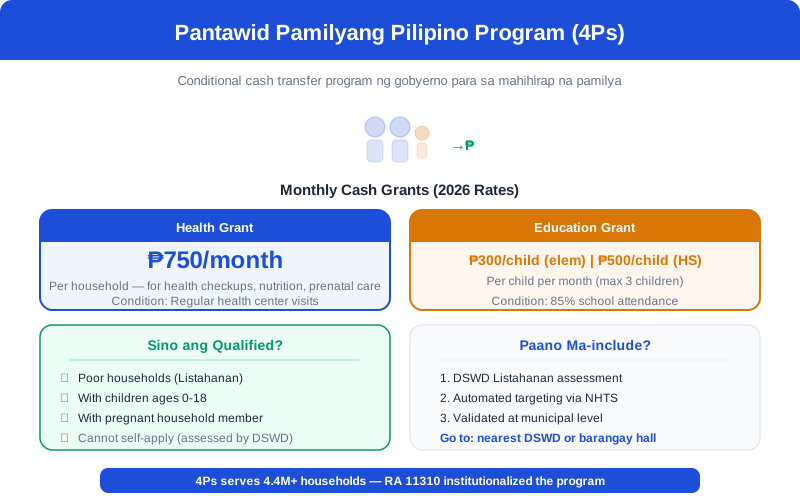
The Pantawid Pamilyang Pilipino Program (4Ps) is the Philippine government's flagship poverty reduction program, institutionalized through Republic Act 11310. It provides conditional cash transfers (CCTs) to poor households to invest in their children's health and education. As of 2026, it serves over 4.4 million households nationwide.
Ang Pantawid Pamilyang Pilipino Program (4Ps) ay ang pangunahing poverty reduction program ng gobyerno ng Pilipinas, na na-institutionalize sa pamamagitan ng Republic Act 11310. Nagbibigay ito ng conditional cash transfers (CCTs) sa mga mahihirap na sambahayan para sa kalusugan at edukasyon ng kanilang mga anak. Simula 2026, nagsisilbi ito sa mahigit 4.4 milyong sambahayan sa buong bansa.
The program is managed by the DSWD, which handles beneficiary selection, grant distribution, compliance monitoring, and grievance resolution through its field offices nationwide.
Ang programa ay pinamamahalaan ng DSWD, na nag-hahandle ng beneficiary selection, grant distribution, compliance monitoring, at grievance resolution sa pamamagitan ng mga field offices nito sa buong bansa.
Who Qualifies for 4Ps?
Sino ang Kwalipikado sa 4Ps?
Unlike most government assistance programs, you cannot simply walk in and apply for 4Ps. Beneficiaries are identified through the DSWD's Listahanan or the National Household Targeting System for Poverty Reduction (NHTS-PR). This is a database of poor households assessed through community-based surveys.
Hindi tulad ng karamihan ng government assistance programs, hindi ka basta-basta makakapag-apply para sa 4Ps. Ang mga beneficiary ay tinutukoy sa pamamagitan ng Listahanan ng DSWD o ang National Household Targeting System for Poverty Reduction (NHTS-PR). Ito ay isang database ng mga mahihirap na sambahayan na na-assess sa pamamagitan ng community-based surveys.
Eligibility Requirements
Mga Kwalipikasyon
To qualify for 4Ps, your household must meet ALL of the following criteria:
Para maging kwalipikado sa 4Ps, ang iyong sambahayan ay dapat matugunan ang LAHAT ng sumusunod na criteria:
- Classified as poor based on the Listahanan/NHTS-PR assessment. Your household income must fall below the poverty threshold set by the Philippine Statistics Authority (PSA) for your province. As of 2026, the poverty threshold for a family of five ranges from approximately ₱9,000-₱13,000/month depending on the region.
- Has children aged 0-18 years old who are eligible for health and education grants, OR has a pregnant woman in the household at the time of assessment.
- Not currently a beneficiary of other similar government cash transfer programs that serve the same purpose (to avoid duplication of benefits).
- Resides in a municipality or city covered by the Listahanan assessment. The DSWD conducts nationwide assessment rounds periodically.
- Naka-classify bilang mahirap batay sa Listahanan/NHTS-PR assessment. Ang kita ng iyong sambahayan ay dapat mas mababa sa poverty threshold na itinakda ng Philippine Statistics Authority (PSA) para sa iyong probinsya. Simula 2026, ang poverty threshold para sa pamilyang may limang miyembro ay humigit-kumulang ₱9,000-₱13,000/buwan depende sa rehiyon.
- May mga anak na 0-18 taong gulang na kwalipikado para sa health at education grants, O may buntis na babae sa sambahayan noong oras ng assessment.
- Hindi kasalukuyang beneficiary ng ibang katulad na government cash transfer programs na may parehong layunin (para maiwasan ang dobleng benepisyo).
- Naninirahan sa isang munisipyo o lungsod na saklaw ng Listahanan assessment. Ang DSWD ay nagsasagawa ng nationwide assessment rounds sa pana-panahon.
The Listahanan Assessment Process
Ang Proseso ng Listahanan Assessment
The Listahanan is conducted every 3-4 years. DSWD enumerators visit households to assess living conditions, income, and assets, then classify each household as poor or non-poor. Results go through community validation. If your family was not included, visit your barangay hall or LSWDO to request inclusion in the next round.
Ang Listahanan ay isinasagawa tuwing 3-4 na taon. Ang mga DSWD enumerators ay bumibisita sa mga sambahayan para i-assess ang kalagayan ng pamumuhay, kita, at mga ari-arian, pagkatapos ini-classify bilang mahirap o hindi. Ang mga resulta ay dumadaan sa community validation. Kung hindi naisama ang iyong pamilya, bisitahin ang iyong barangay hall o LSWDO para humiling na maisama sa susunod na round.
Cash Grants Breakdown
Detalye ng Cash Grants
The 4Ps provides several types of cash grants to qualifying households. Under RA 11310, these are the current grant amounts:
Nagbibigay ang 4Ps ng iba't ibang uri ng cash grants sa mga qualifying na sambahayan. Sa ilalim ng RA 11310, ito ang kasalukuyang halaga ng mga grants:
Health Grant
Health Grant
- ₱750 per month per household
- Covers nutrition and health needs of the family
- Specifically targets pregnant women, children 0-5 years old, and elderly household members
- Requires compliance with health-related conditions (prenatal checkups, child immunization, etc.)
- ₱750 bawat buwan bawat sambahayan
- Para sa nutrition at pangangailangan sa kalusugan ng pamilya
- Partikular na naka-target sa mga buntis, mga batang 0-5 taong gulang, at matatandang miyembro ng sambahayan
- Nangangailangan ng pagsunod sa mga health-related na kondisyon (prenatal checkups, pagpapabakuna ng bata, atbp.)
Education Grant
Education Grant
- ₱300 per month per child — Elementary (Grades 1-6)
- ₱500 per month per child — Junior High School (Grades 7-10)
- ₱700 per month per child — Senior High School (Grades 11-12)
- Maximum of 3 children per household can receive education grants simultaneously
- Grants are provided for 10 months per school year (not during summer months)
- Children must be enrolled in school and maintain at least 85% attendance
- ₱300 bawat buwan bawat bata — Elementary (Grades 1-6)
- ₱500 bawat buwan bawat bata — Junior High School (Grades 7-10)
- ₱700 bawat buwan bawat bata — Senior High School (Grades 11-12)
- Maximum na 3 anak bawat sambahayan ang maaaring makatanggap ng education grants nang sabay-sabay
- Ang mga grants ay ibinibigay sa loob ng 10 buwan bawat school year (hindi tuwing summer)
- Ang mga bata ay dapat naka-enrol sa paaralan at may hindi bababa sa 85% na attendance
Rice Subsidy
Rice Subsidy
- ₱600 per month per household
- Additional support for daily food needs
- Provided alongside the health grant on the same schedule
- ₱600 bawat buwan bawat sambahayan
- Karagdagang suporta para sa pang-araw-araw na pagkain
- Ibinibigay kasabay ng health grant sa parehong schedule
Sample Monthly Computation
Halimbawa ng Buwanang Computation
For a family with 2 elementary children and 1 high school child:
Para sa isang pamilya na may 2 elementary na anak at 1 high school na anak:
- Health Grant: ₱750
- Rice Subsidy: ₱600
- Education (2 elementary x ₱300): ₱600
- Education (1 high school x ₱500): ₱500
- Total: ₱2,450 per month
- Health Grant: ₱750
- Rice Subsidy: ₱600
- Edukasyon (2 elementary x ₱300): ₱600
- Edukasyon (1 high school x ₱500): ₱500
- Kabuuan: ₱2,450 bawat buwan
How to Apply for 4Ps: Step-by-Step
Paano Mag-apply sa 4Ps: Hakbang-Hakbang
-
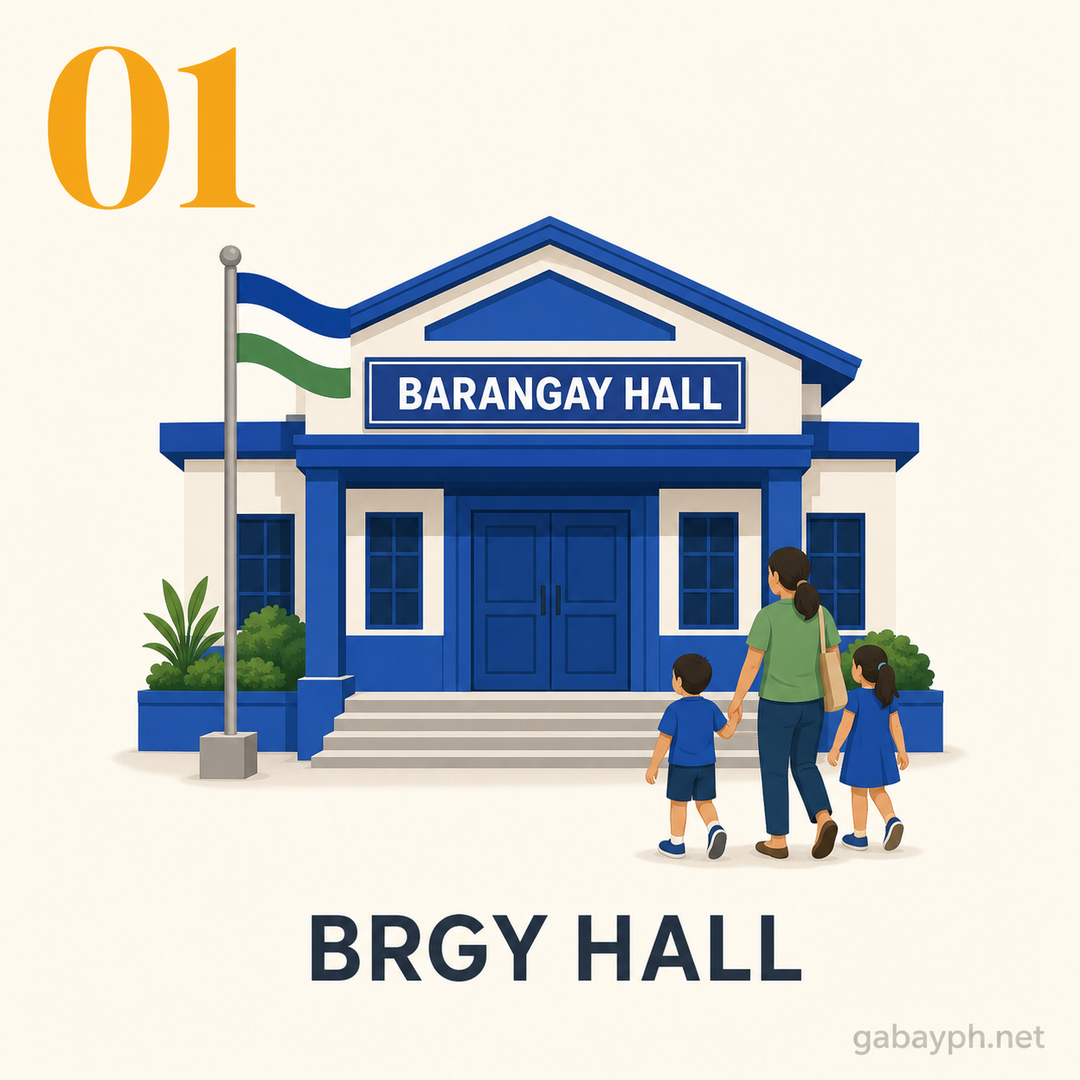
Go to Your Barangay Hall or LSWDO
Pumunta sa Iyong Barangay Hall o LSWDO
Your first step is to visit your barangay hall or the Local Social Welfare and Development Office (LSWDO) in your city or municipality. Inform them that you want to be assessed for 4Ps eligibility. The barangay or LSWDO will check if your household is already in the Listahanan database. If not, they can recommend your household for inclusion in the next Listahanan assessment round.
Ang unang hakbang mo ay pumunta sa iyong barangay hall o sa Local Social Welfare and Development Office (LSWDO) sa iyong lungsod o munisipyo. Ipaalam sa kanila na gusto mong ma-assess para sa 4Ps eligibility. Titingnan ng barangay o LSWDO kung nasa Listahanan database na ang iyong sambahayan. Kung hindi pa, maaari nilang irekomenda ang iyong sambahayan para maisama sa susunod na Listahanan assessment round.
Tip: The barangay captain or LSWDO social worker is your key ally here. Build a good relationship — sila ang mag-rerekomendasyon sa iyo. Be honest about your family's situation and bring any documents that support your case.
Payo: Ang barangay captain o LSWDO social worker ang iyong pangunahing kakampi dito. Bumuo ng magandang relasyon — sila ang mag-rerekomendasyon sa iyo. Maging matapat tungkol sa sitwasyon ng iyong pamilya at magdala ng anumang dokumento na sumusuporta sa iyong kaso.
-
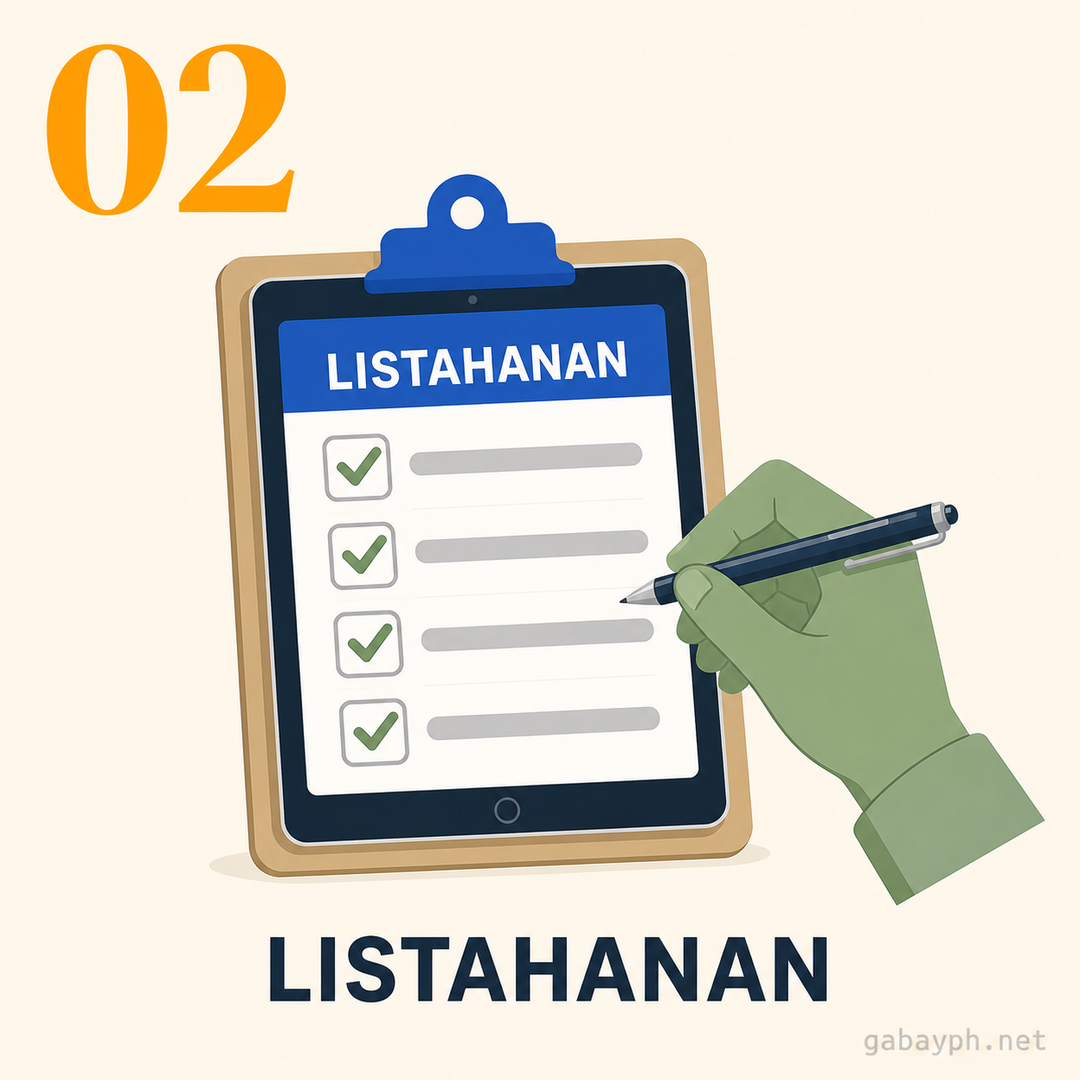
Undergo the Listahanan Assessment
Sumailalim sa Listahanan Assessment
When the next Listahanan assessment round covers your area, a DSWD-trained enumerator will visit your household. During the visit, they will collect information about:
Kapag sumasaklaw na ang susunod na Listahanan assessment round sa iyong lugar, isang DSWD-trained enumerator ang bibisita sa iyong sambahayan. Sa panahon ng pagbisita, kokolektahin nila ang impormasyon tungkol sa:
- Your household composition (number of family members, ages, relationships)
- Housing conditions (type of dwelling, materials, floor area)
- Household assets (appliances, vehicles, land ownership)
- Sources of income and employment status of household members
- Access to water, sanitation, and electricity
- Children's school enrollment status
- Komposisyon ng iyong sambahayan (bilang ng miyembro ng pamilya, edad, relasyon)
- Kalagayan ng tirahan (uri ng bahay, materyales, sukat ng sahig)
- Mga ari-arian ng sambahayan (appliances, sasakyan, pagmamay-ari ng lupa)
- Mga pinagkukunan ng kita at employment status ng mga miyembro ng sambahayan
- Access sa tubig, sanitation, at kuryente
- Status ng enrollment sa paaralan ng mga bata
Be at home when the enumerator visits. If you miss the visit, contact your barangay or LSWDO immediately para ma-schedule ulit. Hindi ka mako-consider kung hindi ka na-assess.
Nasa bahay ka dapat kapag bumisita ang enumerator. Kung na-miss mo ang pagbisita, makipag-ugnayan agad sa iyong barangay o LSWDO para ma-schedule ulit. Hindi ka mako-consider kung hindi ka na-assess.
-
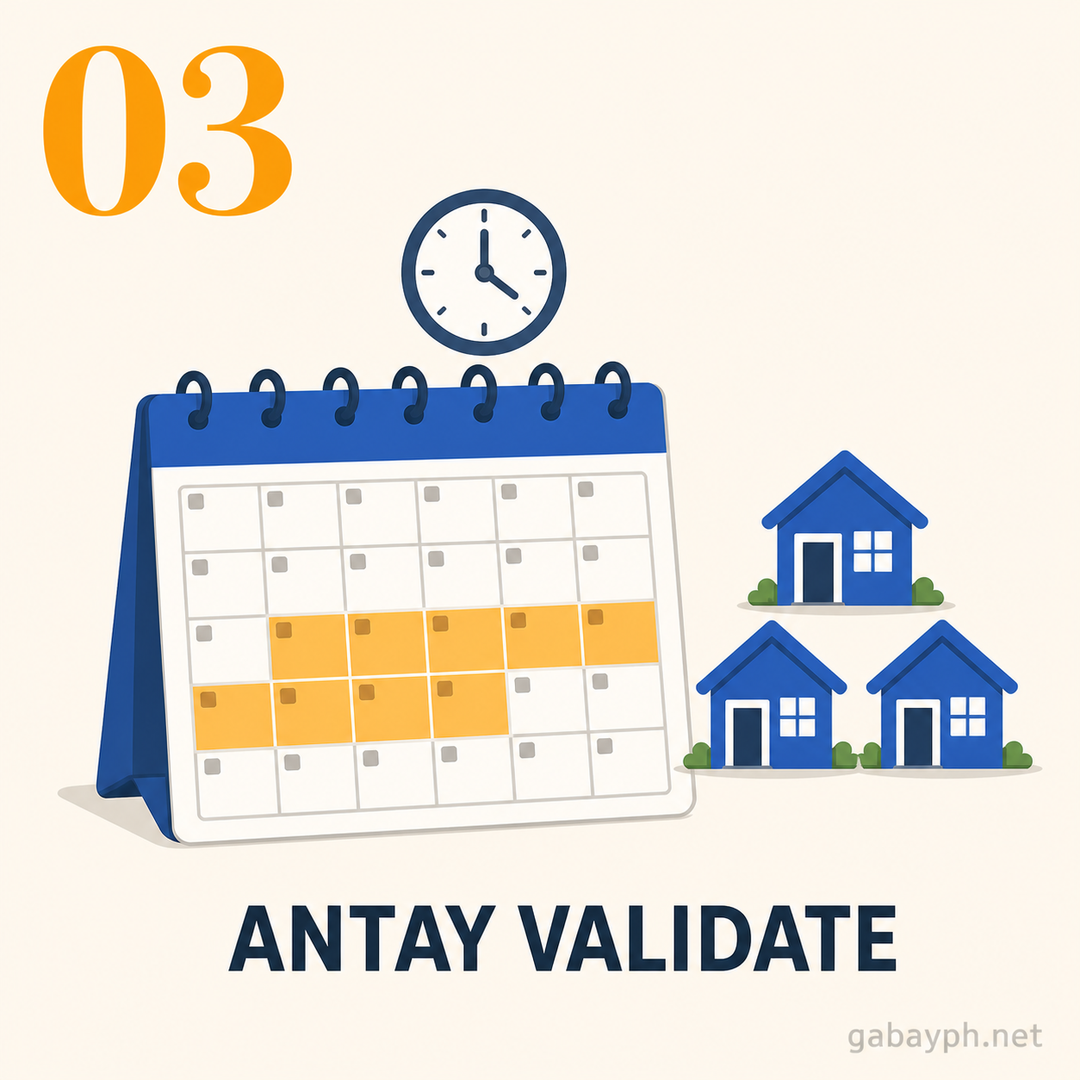
Wait for Community Validation and Results
Maghintay ng Community Validation at mga Resulta
After the assessment, the DSWD processes the data and generates the list of poor households. This list then goes through a community validation process. During validation, the results are presented to local leaders and community members who can confirm or dispute whether specific households truly qualify. This is done through the Social Welfare and Development (SWAD) team in your municipality.
Pagkatapos ng assessment, pinoproseso ng DSWD ang data at ginagawa ang listahan ng mga mahihirap na sambahayan. Ang listahan na ito ay dadaan sa isang community validation na proseso. Sa panahon ng validation, ang mga resulta ay ipre-present sa mga local leaders at miyembro ng komunidad na maaaring kumpirmahin o kwestyunin kung talagang kwalipikado ang mga specific na sambahayan. Ginagawa ito sa pamamagitan ng Social Welfare and Development (SWAD) team sa iyong munisipyo.
If your household is found eligible, you will be notified by your barangay or the municipal link (the DSWD field worker assigned to your area). The assessment and validation process can take several months — maging matiyaga at regular na mag-follow up sa iyong barangay o LSWDO.
Kung natuklasang kwalipikado ang iyong sambahayan, aabisuhan ka ng iyong barangay o ang municipal link (ang DSWD field worker na naka-assign sa iyong lugar). Ang proseso ng assessment at validation ay maaaring tumagal ng ilang buwan — maging matiyaga at regular na mag-follow up sa iyong barangay o LSWDO.
-
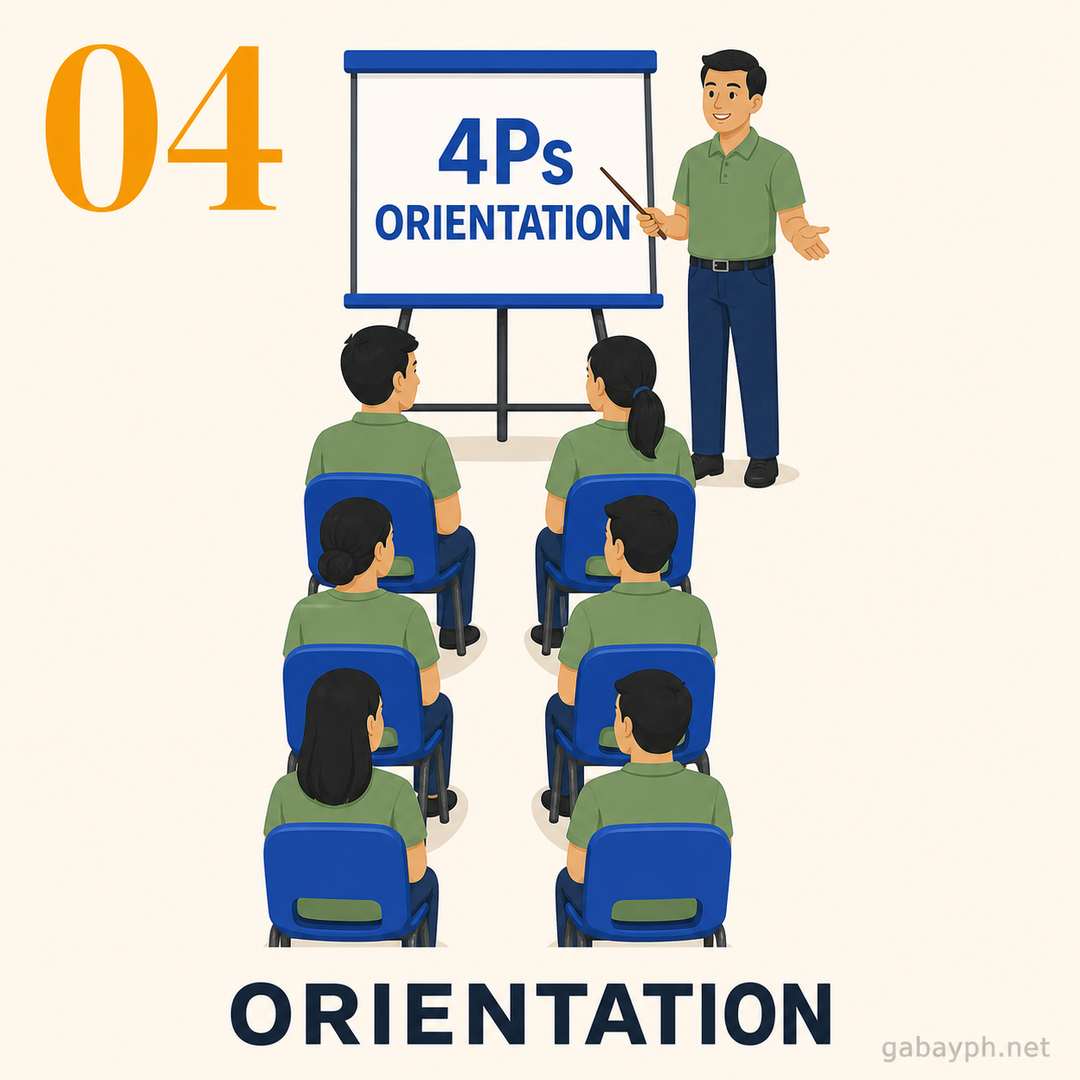
Attend the Registration and Orientation
Dumalo sa Registration at Orientation
Once selected as a 4Ps beneficiary, you will be invited to attend a registration and orientation session conducted by the DSWD or your municipal link. During this session:
Kapag napili bilang 4Ps beneficiary, iimbitahan ka na dumalo sa isang registration at orientation session na isinasagawa ng DSWD o ng iyong municipal link. Sa session na ito:
- You will submit your required documents (valid ID, birth certificates of children, proof of residency)
- You will sign the Compliance Verification Form (your commitment to follow the program conditions)
- You will be briefed on all program rules, conditions, and your responsibilities as a beneficiary
- You will be enrolled in the Land Bank of the Philippines (LBP) cash card system or assigned a conduit partner for receiving grants
- Isa-submit mo ang iyong mga kinakailangang dokumento (valid ID, birth certificates ng mga anak, proof of residency)
- Pipirmahan mo ang Compliance Verification Form (iyong commitment na sundin ang mga kondisyon ng programa)
- Ie-brief ka tungkol sa lahat ng program rules, kondisyon, at iyong mga responsibilidad bilang beneficiary
- Ie-enrol ka sa Land Bank of the Philippines (LBP) cash card system o i-aassign sa isang conduit partner para sa pagtanggap ng grants
Attend the orientation without fail — kapag hindi ka dumalo, maaaring ma-delay ang iyong enrollment at hindi ka makakatanggap ng grants sa oras.
Dumalo sa orientation nang walang palta — kapag hindi ka dumalo, maaaring ma-delay ang iyong enrollment at hindi ka makakatanggap ng grants sa oras.
-
Comply with Conditions and Receive Grants
Sumunod sa mga Kondisyon at Tanggapin ang mga Grants
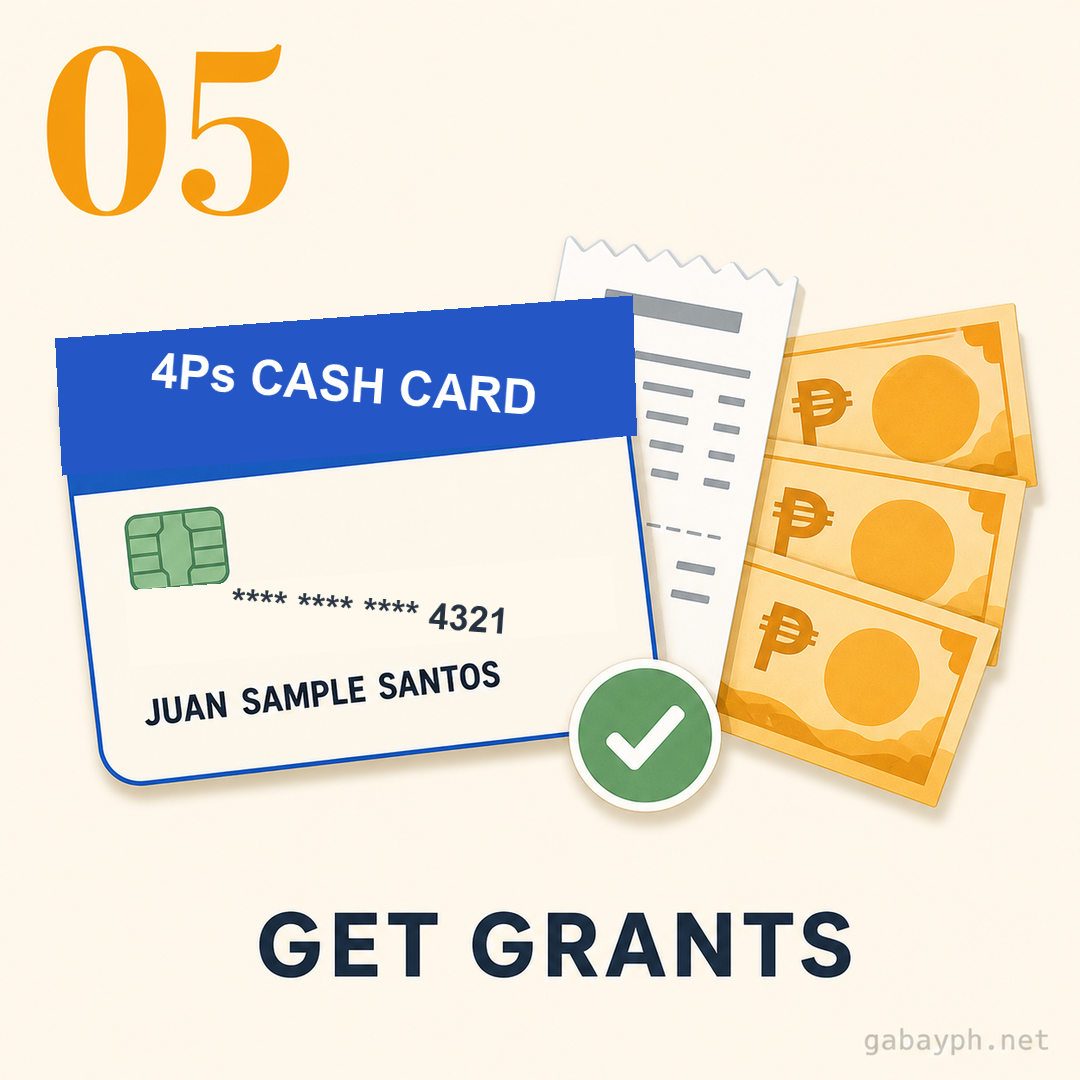
Once registered, you will start receiving your cash grants through your Land Bank cash card or conduit partner. Grants are typically released every two months (covering two months' worth of grants per release). To continue receiving benefits, you must comply with all program conditions — prenatal checkups for pregnant women, vaccination and check-ups for children 0-5, school attendance of at least 85% for children 6-18, and regular attendance at Family Development Sessions (FDS).
Kapag nairehistro na, magsisimula kang tumanggap ng iyong cash grants sa pamamagitan ng iyong Land Bank cash card o conduit partner. Ang mga grants ay karaniwang inire-release tuwing dalawang buwan (sumasaklaw sa dalawang buwan na grants bawat release). Para patuloy na makatanggap ng benepisyo, dapat kang sumunod sa lahat ng program conditions — prenatal checkups para sa mga buntis, pagpapabakuna at check-ups para sa mga batang 0-5, school attendance na hindi bababa sa 85% para sa mga batang 6-18, at regular na pagdalo sa Family Development Sessions (FDS).
Requirements Checklist
Checklist ng mga Kailangan
- At least one (1) valid government-issued ID of the household grantee (parent/guardian) — original copy, not expired. Accepted IDs: Philippine passport, driver's license, UMID, PhilSys National ID, voter's ID, PRC ID, SSS ID, GSIS ID, Postal ID, senior citizen's ID, or barangay ID with photo.
- Birth certificates of all children (0-18 years old) — PSA-issued or local civil registrar copies. These are essential for verifying the ages and identities of child-beneficiaries. If a child does not have a birth certificate yet, contact your LSWDO for help with late registration.
- Proof of residency — barangay certificate of residency or any document showing your address in the community (utility bills, lease agreement, etc.).
- Income documents (if available) — payslips, certificate of employment, sworn statement of income for informal workers, or a certificate of no income from the barangay. These help verify your household's economic status.
- Marriage certificate (if applicable) — for married household heads. Not required for solo parents or common-law partners.
- 1x1 or 2x2 ID photos — recent photos of the household grantee for the registration form and cash card application.
- Barangay Certification of Indigency — free from your barangay hall. This certifies that your household is classified as indigent or low-income.
- Pregnancy certification (if applicable) — medical certificate from a health center or midwife confirming pregnancy, for households where the pregnant woman is a basis for eligibility.
- Hindi bababa sa isang (1) valid na government-issued ID ng household grantee (magulang/guardian) — original copy, hindi expired. Mga tinatanggap na ID: Philippine passport, driver's license, UMID, PhilSys National ID, voter's ID, PRC ID, SSS ID, GSIS ID, Postal ID, senior citizen's ID, o barangay ID na may larawan.
- Birth certificates ng lahat ng anak (0-18 taong gulang) — PSA-issued o local civil registrar copies. Mahalaga ito para ma-verify ang mga edad at pagkakakilanlan ng child-beneficiaries. Kung wala pang birth certificate ang isang bata, makipag-ugnayan sa iyong LSWDO para sa tulong sa late registration.
- Proof of residency — barangay certificate of residency o anumang dokumento na nagpapakita ng iyong address sa komunidad (utility bills, lease agreement, atbp.).
- Mga dokumento ng kita (kung available) — payslips, certificate of employment, sinumpaang pahayag ng kita para sa informal workers, o certificate of no income mula sa barangay. Nakakatulong ito sa pag-verify ng economic status ng iyong sambahayan.
- Marriage certificate (kung applicable) — para sa mga kasal na household heads. Hindi kinakailangan para sa solo parents o mga common-law partners.
- 1x1 o 2x2 ID photos — kamakailang mga larawan ng household grantee para sa registration form at cash card application.
- Barangay Certification of Indigency — libre mula sa iyong barangay hall. Ito ay nagse-certify na ang iyong sambahayan ay naka-classify bilang indigent o low-income.
- Pregnancy certification (kung applicable) — medical certificate mula sa health center o midwife na nagpapatunay ng pagbubuntis, para sa mga sambahayan kung saan ang buntis na babae ay batayan ng eligibility.
Conditions to Maintain Benefits
Mga Kondisyon para Mapanatili ang Benefits
Non-compliance can lead to reduced grants or removal from the program. Beneficiaries must meet ALL of these:
Ang hindi pagsunod ay maaaring humantong sa pagbawas ng grants o pagtanggal sa programa. Dapat matugunan ng mga beneficiary ang LAHAT ng mga ito:
- Pregnant women: at least 4 prenatal + 2 postnatal check-ups
- Children 0-5: regular check-ups, growth monitoring, complete immunizations (DOH schedule)
- Children 6-14: deworming tablets twice a year
- Children 6-18: enrolled in school with at least 85% monthly attendance (strictly monitored each month)
- Household grantee: attend monthly Family Development Sessions (FDS) — topics include parenting, health, financial literacy
- Mga buntis: hindi bababa sa 4 prenatal + 2 postnatal check-ups
- Mga batang 0-5: regular check-ups, growth monitoring, kumpletong immunizations (DOH schedule)
- Mga batang 6-14: deworming tablets dalawang beses sa isang taon
- Mga batang 6-18: naka-enrol sa paaralan na may hindi bababa sa 85% buwanang attendance (mahigpit na minomonitor bawat buwan)
- Household grantee: dumalo sa buwanang Family Development Sessions (FDS) — mga paksa: pagiging magulang, kalusugan, financial literacy
How Grants Are Received
Paano Natatanggap ang Grants
Grants are released every two months (bi-monthly) through your Land Bank cash card (withdraw at any LBP ATM, GCash/Maya outlets, or over-the-counter). In remote areas without LBP access, the DSWD uses conduit partners (rural banks, cooperatives) that schedule local payouts. Your municipal link will inform you of specific dates.
Ang mga grants ay inire-release tuwing dalawang buwan (bi-monthly) sa pamamagitan ng iyong Land Bank cash card (i-withdraw sa kahit anong LBP ATM, GCash/Maya outlets, o over-the-counter). Sa mga liblib na lugar na walang LBP access, gumagamit ang DSWD ng conduit partners (rural banks, cooperatives) na nag-schedule ng local payouts. Ang iyong municipal link ang mag-iinform sa iyo ng specific na petsa.
Common Issues and How to Resolve Them
Mga Karaniwang Problema at Paano Lutasin
Delisting (Removal from the Program)
Pag-delist (Pagtanggal sa Programa)
Beneficiaries may be delisted (removed) from the 4Ps for several reasons:
Ang mga beneficiary ay maaaring ma-delist (matanggal) mula sa 4Ps dahil sa iba't ibang dahilan:
- Non-compliance with conditions — repeated failure to meet health, education, or FDS attendance requirements after warnings
- Improved economic status — if the Listahanan reassessment finds your household is no longer classified as poor
- All children have exceeded the age limit — when all qualified children turn 18 or graduate from senior high school
- Reaching the maximum period — under RA 11310, beneficiaries can remain in the program for a maximum of 7 years (though extensions may apply)
- Falsification of information — providing false data during assessment or registration
- Voluntary exit — the household voluntarily leaves the program
- Hindi pagsunod sa mga kondisyon — paulit-ulit na kabiguan na matugunan ang health, education, o FDS attendance requirements pagkatapos ng mga babala
- Nag-improve na economic status — kung nakita ng Listahanan reassessment na ang iyong sambahayan ay hindi na naka-classify bilang mahirap
- Lahat ng anak ay lumampas na sa age limit — kapag lahat ng kwalipikadong anak ay naging 18 taong gulang o nakapagtapos na ng senior high school
- Naabot na ang maximum na panahon — sa ilalim ng RA 11310, ang mga beneficiary ay maaaring manatili sa programa nang maximum na 7 taon (bagaman maaaring magkaroon ng extension)
- Pag-palsipika ng impormasyon — pagbibigay ng maling datos sa panahon ng assessment o registration
- Kusang pag-alis — ang sambahayan ay kusang loob na umalis sa programa
How to Appeal a Delisting Decision
Paano Mag-appeal ng Delisting Decision
If you believe you were unfairly delisted, you have the right to appeal. Here is the process:
Kung naniniwala kang hindi makatarungan ang iyong pagka-delist, may karapatan kang mag-appeal. Narito ang proseso:
- File a written complaint or appeal with your municipal link or the DSWD Field Office within 15 days of receiving the delisting notice
- Attach supporting documents that prove your compliance or justify your situation
- The DSWD Grievance Committee will review your case and schedule a hearing if needed
- You will be notified of the decision within 30 days. If the appeal is granted, you will be reinstated and may receive back-pay for missed grants
- Mag-file ng nakasulat na reklamo o appeal sa iyong municipal link o sa DSWD Field Office sa loob ng 15 araw mula sa pagtanggap ng delisting notice
- I-attach ang mga supporting documents na nagpapatunay ng iyong pagsunod o nagbibigay-katwiran sa iyong sitwasyon
- Ire-review ng DSWD Grievance Committee ang iyong kaso at mag-schedule ng hearing kung kinakailangan
- Aabisuhan ka ng desisyon sa loob ng 30 araw. Kung na-approve ang appeal, mare-reinstate ka at maaaring makatanggap ng back-pay para sa mga napalampas na grants
Updating Your Information
Pag-update ng Iyong Impormasyon
If there are changes in your household — such as a new baby, a child reaching school age, a change of address, or the death of a household member — you must report these changes to your municipal link or the DSWD Field Office as soon as possible. Failure to update your information can result in incorrect grant amounts or complications during compliance verification. Bring the supporting documents (birth certificate of new baby, transfer certificate, death certificate, etc.) to your municipal link for updating.
Kung may mga pagbabago sa iyong sambahayan — tulad ng bagong sanggol, isang batang umabot na sa school age, pagbabago ng address, o pagkamatay ng miyembro ng sambahayan — dapat mong i-report ang mga pagbabagong ito sa iyong municipal link o sa DSWD Field Office sa lalong madaling panahon. Ang hindi pag-update ng iyong impormasyon ay maaaring magresulta sa maling halaga ng grants o komplikasyon sa panahon ng compliance verification. Dalhin ang mga supporting documents (birth certificate ng bagong sanggol, transfer certificate, death certificate, atbp.) sa iyong municipal link para ma-update.
Pro Tips for 4Ps Beneficiaries and Applicants
Mga Payo para sa mga 4Ps Beneficiaries at Applicants
- Know your municipal link. Save their contact number — they are your primary point person for all 4Ps questions and issues.
- Report household changes immediately. New baby, death, address change, graduation — these are not auto-updated. Tell your municipal link right away.
- Explore SLP livelihood programs. The 4Ps is temporary (max 7 years). Use SLP training and seed capital to build sustainable income before your benefits end.
- DSWD hotline: (02) 8931-8101 to 07 or 16545 for grant issues, compliance questions, or to file complaints via the Grievance Redress System.
- Kilalain ang iyong municipal link. I-save ang kanyang contact number — siya ang iyong pangunahing contact para sa lahat ng 4Ps na tanong at isyu.
- I-report agad ang mga pagbabago sa sambahayan. Bagong sanggol, pagkamatay, pagbabago ng address, pagtatapos — hindi ito auto-updated. Sabihin agad sa iyong municipal link.
- I-explore ang SLP livelihood programs. Ang 4Ps ay pansamantala (max 7 taon). Gamitin ang SLP training at seed capital para bumuo ng sustainable na kita bago matapos ang iyong benefits.
- DSWD hotline: (02) 8931-8101 to 07 o 16545 para sa grant issues, compliance questions, o pag-file ng complaints sa Grievance Redress System.
Frequently Asked Questions
Mga Madalas Itanong
Can I apply directly for 4Ps at the DSWD office?
No. Beneficiaries are identified through the Listahanan assessment, not direct application. Visit your barangay hall or LSWDO to request inclusion in the next assessment round.
Maaari ba akong mag-apply nang direkta para sa 4Ps sa DSWD office?
Hindi. Ang mga beneficiary ay tinutukoy sa pamamagitan ng Listahanan assessment, hindi sa direktang pag-apply. Pumunta sa iyong barangay hall o LSWDO para humiling na maisama sa susunod na assessment round.
How long can a family receive 4Ps benefits?
Maximum 7 years under RA 11310, though the DSWD may grant extensions for households that remain in extreme poverty after reassessment.
Gaano katagal maaaring makatanggap ng 4Ps benefits ang isang pamilya?
Maximum 7 taon sa ilalim ng RA 11310, bagaman maaaring mag-grant ng extension ang DSWD para sa mga sambahayan na nananatili sa extreme poverty pagkatapos ng reassessment.
What happens if my child has poor school attendance?
The child's education grant is suspended for that month. First offense gets a warning; repeated non-compliance can lead to delisting. Report valid reasons (illness, emergency) to your municipal link with a medical certificate to excuse absences.
Ano ang mangyayari kung mababa ang school attendance ng anak ko?
Ang education grant ng bata ay masu-suspend para sa buwang iyon. Unang pagkakataon ay babala; paulit-ulit na hindi pagsunod ay maaaring humantong sa delisting. I-report ang valid na dahilan (sakit, emergency) sa iyong municipal link na may medical certificate para ma-excuse ang absences.
Can I receive 4Ps and other DSWD assistance at the same time?
Yes. Being a 4Ps beneficiary does not disqualify you from AICS, SLP, or UCT. The only restriction is against duplicate cash-transfer programs with the same purpose. See the Related Programs section above.
Maaari ba akong makatanggap ng 4Ps at iba pang DSWD assistance nang sabay?
Oo. Ang pagiging 4Ps beneficiary ay hindi nagdi-disqualify sa iyo sa AICS, SLP, o UCT. Ang tanging restriction ay laban sa duplicate cash-transfer programs na may parehong layunin. Tingnan ang seksyon ng Mga Kaugnay na Programa sa itaas.
What if I lost my Land Bank cash card?
Report it immediately to your municipal link and nearest Land Bank branch. They will block the old card and issue a replacement (takes 2-4 weeks). Accumulated grants remain in your account.
Paano kung nawala ang aking Land Bank cash card?
I-report agad sa iyong municipal link at pinakamalapit na Land Bank branch. Blo-block nila ang lumang card at maglalabas ng kapalit (tumatagal ng 2-4 na linggo). Ang naipong grants ay mananatili sa iyong account.
Is the 4Ps program permanent?
Yes. RA 11310 (signed 2019) institutionalized the 4Ps as a permanent, law-mandated program regardless of administration.
Permanente ba ang 4Ps program?
Oo. Ang RA 11310 (nilagdaan noong 2019) ay nag-institutionalize ng 4Ps bilang permanente at mandato ng batas na programa anuman ang administrasyon.