

How to Manage Your Online Selling Business in the Philippines (2026 Guide)
Paano Mag-manage ng Online Selling Business sa Pilipinas (2026 Gabay)

5 Things to Know
Online seller in five facts.
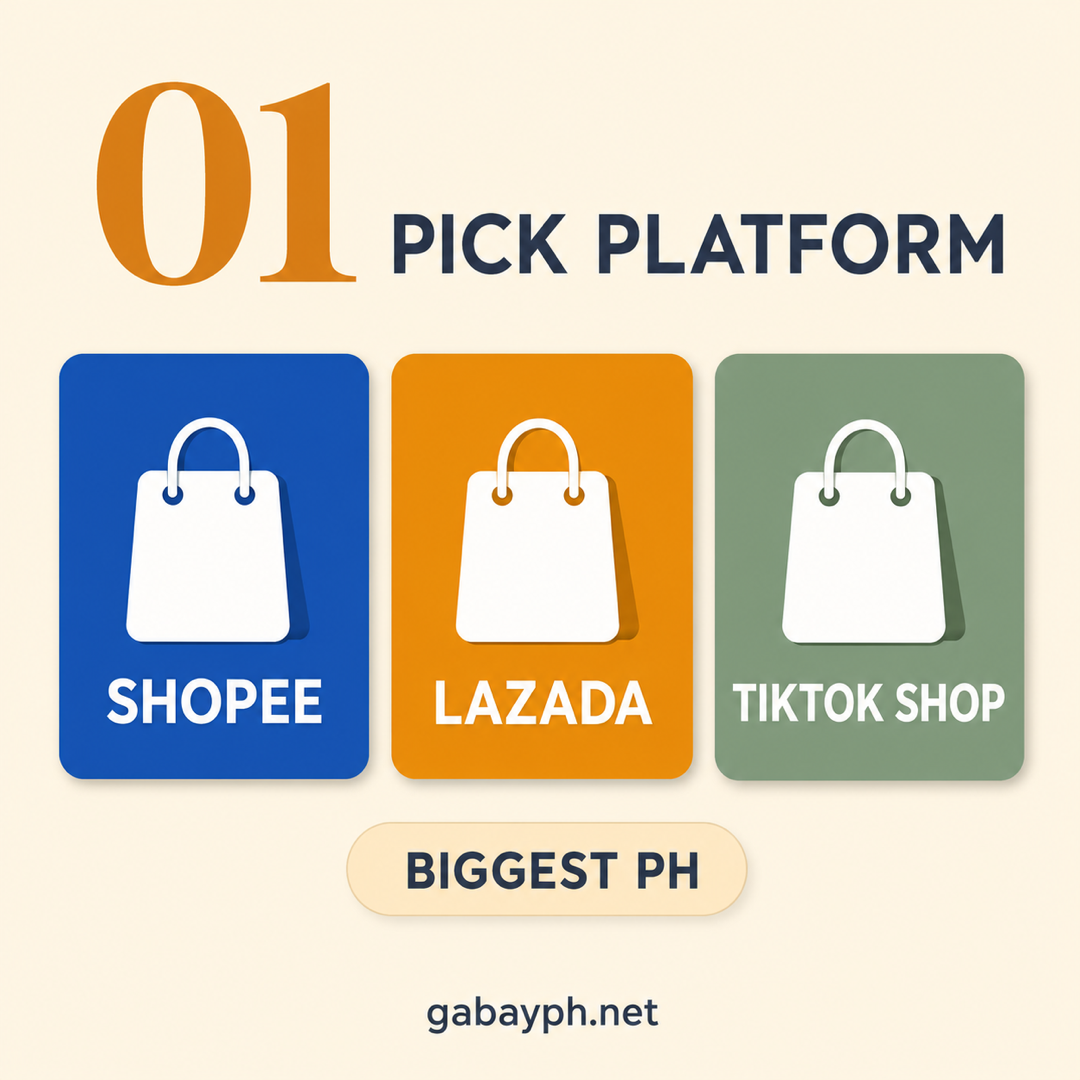


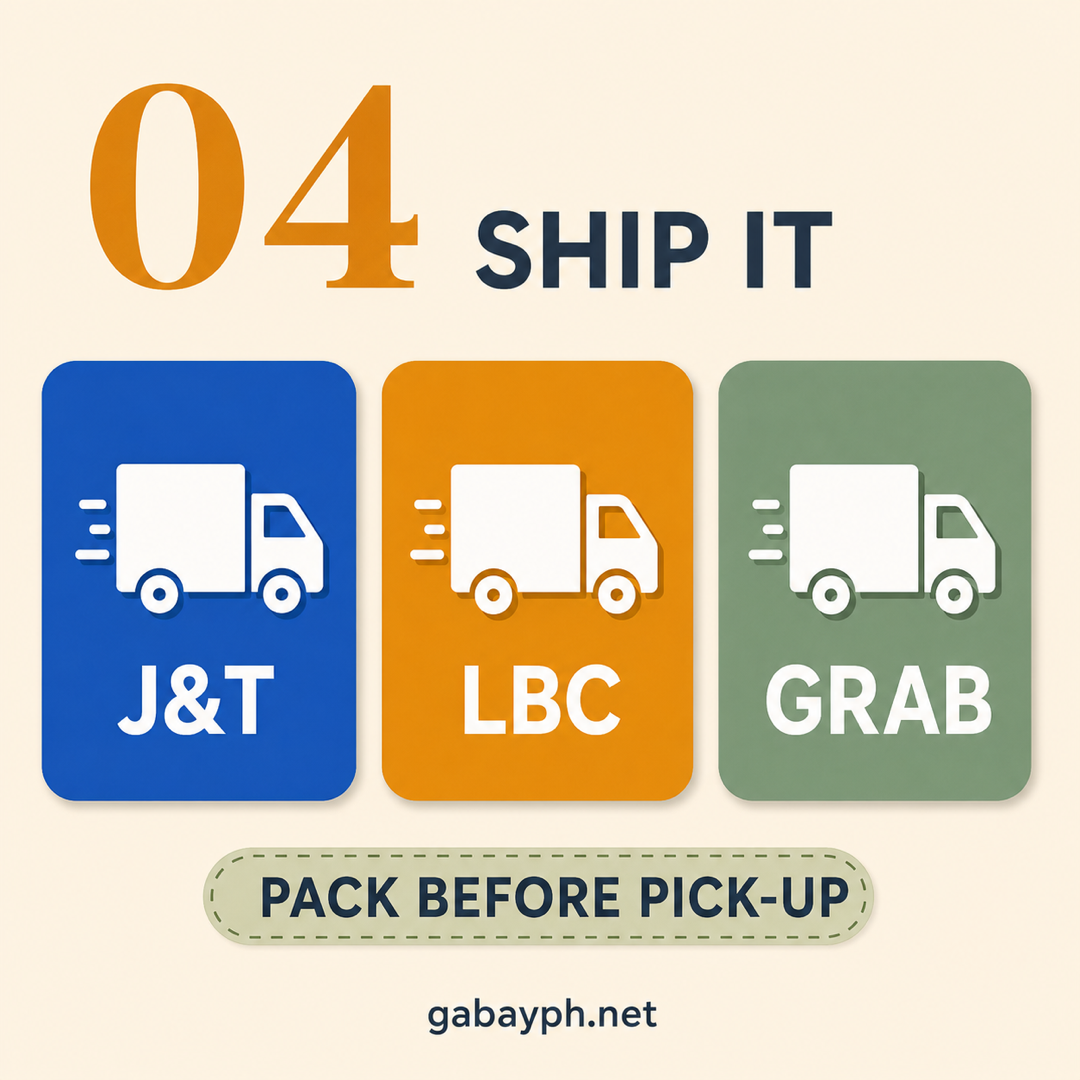

Quick Summary
Mabilis na Buod
Important Disclaimer
This guide is for educational and informational purposes only and does not constitute financial advice, tax advice, or professional accounting services. GabayPH is not a licensed financial advisor, certified public accountant (CPA), or tax attorney. Business situations vary by individual — what applies to one seller may not apply to another. Platform fees and policies may change without notice. Consult a licensed professional for advice specific to your online business. GabayPH is not liable for any errors, losses, or penalties resulting from reliance on this guide.
Mahalagang Disclaimer
Ang gabay na ito ay para sa layuning pang-edukasyon at pang-impormasyon lamang at hindi bumubuo ng financial advice, tax advice, o propesyonal na serbisyong accounting. Ang GabayPH ay hindi lisensyadong financial advisor, certified public accountant (CPA), o tax attorney. Iba-iba ang sitwasyon ng bawat online seller — ang naaangkop sa isang negosyante ay maaaring hindi naaangkop sa iba. Ang mga platform fees at patakaran ay maaaring magbago nang walang paunawa. Kumonsulta sa isang lisensyadong propesyonal para sa payo na partikular sa iyong online business. Ang GabayPH ay hindi mananagot para sa anumang pagkakamali, pagkalugi, o multa na resulta ng pag-asa sa gabay na ito.
Table of Contents
Talaan ng Nilalaman
Understanding Your Real Profit
Pag-unawa sa Tunay Mong Kita
The most common mistake new online sellers make is confusing gross sales with actual profit. When you see ₱50,000 in your Shopee seller dashboard, that is not your take-home money. Between platform commissions, payment gateway fees, shipping costs, packaging, and the cost of the products themselves, your real profit may only be 15-30% of gross sales. Understanding every deduction is the foundation of running a sustainable business.
Ang pinakakaraniwang pagkakamali ng mga bagong online sellers ay ang pagkalito sa gross sales at aktwal na kita. Kapag nakita mo ang ₱50,000 sa iyong Shopee seller dashboard, hindi iyon ang take-home money mo. Dahil sa platform commissions, payment gateway fees, shipping costs, packaging, at ang halaga ng mga produkto mismo, ang tunay mong kita ay maaaring 15-30% lang ng gross sales. Ang pag-unawa sa bawat deduction ang pundasyon ng pagpapatakbo ng sustainable na negosyo.
Where your money actually goes
Kung saan talaga napupunta ang pera mo
Every sale you make is subject to multiple deductions before money reaches your bank account:
Bawat benta mo ay may mga deductions bago dumating ang pera sa iyong bank account:
- Platform commissions: Shopee charges 2-6.5% per transaction, Lazada 2-8%, and TikTok Shop 1-5% depending on your seller tier and product category
- Payment gateway fees: 1-2% for credit card and e-wallet payments processed through the platform
- Shipping costs: Even with subsidized shipping, sellers often absorb ₱30-80 per order for packaging and courier fees not covered by the platform
- Packaging materials: Bubble wrap, boxes, tape, and poly mailers add ₱10-30 per order
- Vouchers and discounts: Platform campaigns often require seller co-funding (you pay 50% of the voucher value)
- Advertising spend: Shopee Ads, Lazada Sponsored Discovery, and TikTok Shop Ads typically cost 5-15% of attributed sales
- Platform commissions: Ang Shopee ay naniningil ng 2-6.5% bawat transaksyon, Lazada 2-8%, at TikTok Shop 1-5% depende sa seller tier at product category mo
- Payment gateway fees: 1-2% para sa credit card at e-wallet payments na pinoproseso sa platform
- Shipping costs: Kahit may subsidized shipping, kadalasang sinisipat ng sellers ang ₱30-80 bawat order para sa packaging at courier fees na hindi saklaw ng platform
- Packaging materials: Bubble wrap, boxes, tape, at poly mailers ay nagdadagdag ng ₱10-30 bawat order
- Vouchers at discounts: Ang mga platform campaigns ay kadalasang nangangailangan ng seller co-funding (babayaran mo ang 50% ng voucher value)
- Advertising spend: Ang Shopee Ads, Lazada Sponsored Discovery, at TikTok Shop Ads ay karaniwang nagkakahalaga ng 5-15% ng attributed sales
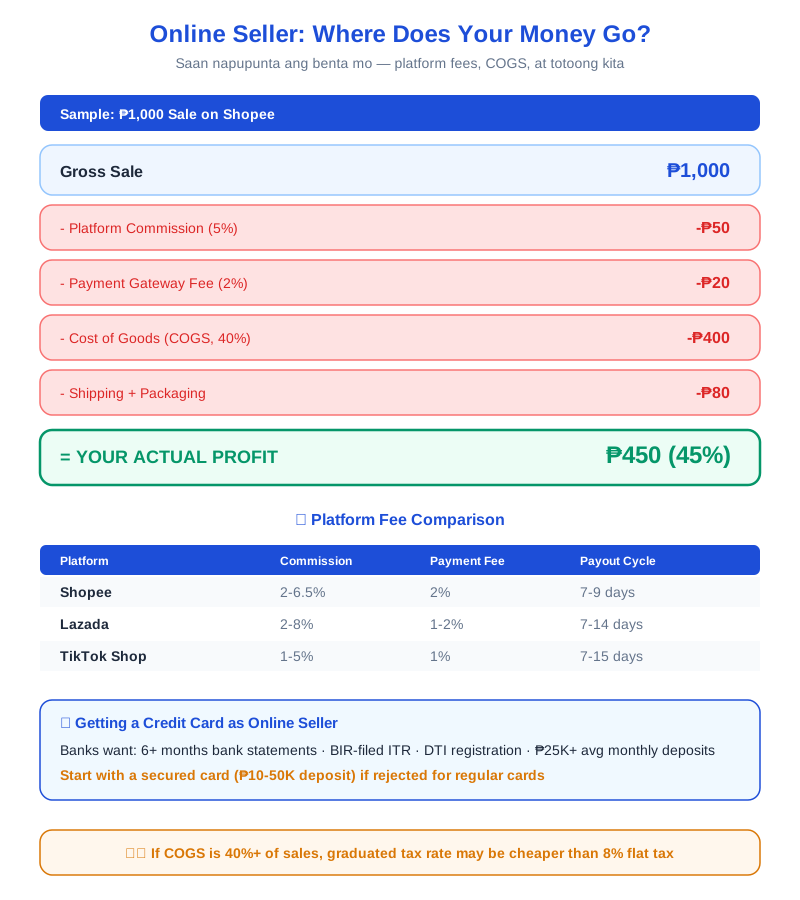
Sample computation: Where does a ₱1,000 sale go?
Halimbawang computation: Saan napupunta ang ₱1,000 na benta?
Let us say you sell a product on Shopee for ₱1,000. Here is a realistic breakdown:
Sabihin nating nagbenta ka ng produkto sa Shopee sa halagang ₱1,000. Narito ang realistic na breakdown:
- Selling price: ₱1,000
- Shopee commission (4%): -₱40
- Payment fee (2%): -₱20
- Cost of goods (COGS): -₱450
- Shipping (seller portion): -₱50
- Packaging: -₱15
- Ads spend (allocated): -₱80
- Voucher co-funding: -₱25
- Actual profit: ₱320 (32%)
- Selling price: ₱1,000
- Shopee commission (4%): -₱40
- Payment fee (2%): -₱20
- Cost of goods (COGS): -₱450
- Shipping (seller portion): -₱50
- Packaging: -₱15
- Ads spend (allocated): -₱80
- Voucher co-funding: -₱25
- Aktwal na kita: ₱320 (32%)
And this does not include taxes yet. Kung walang tax compliance, dagdag pa ang 8% flat tax sa iyong gross sales above ₱250K. Knowing this breakdown per product is what separates profitable sellers from those who are unknowingly losing money.
At hindi pa kasama ang buwis dito. Kung walang tax compliance, dagdag pa ang 8% flat tax sa iyong gross sales above ₱250K. Ang pag-alam ng breakdown na ito bawat produkto ang nagtatangi sa mga profitable sellers mula sa mga hindi alam na lugi na pala sila.
Tracking Cost of Goods Sold (COGS)
Pag-track ng Cost of Goods Sold (COGS)
COGS is the total cost of purchasing or manufacturing the products you sell. It includes the purchase price from your supplier, freight/shipping to get inventory to you, and any customs duties for imported goods. Accurately tracking COGS matters for two reasons: it tells you your real margin, and it determines whether 8% flat tax or graduated rates is better for your tax situation.
Ang COGS ay ang kabuuang gastos ng pagbili o paggawa ng mga produktong ibinebenta mo. Kasama rito ang purchase price mula sa iyong supplier, freight/shipping para makuha ang inventory, at anumang customs duties para sa imported goods. Mahalaga ang tumpak na pag-track ng COGS para sa dalawang dahilan: sinasabi nito sa iyo ang tunay mong margin, at tinutukoy nito kung mas maganda ba ang 8% flat tax o graduated rates para sa iyong tax situation.
Simple spreadsheet method
Simpleng spreadsheet method
You do not need expensive accounting software. A Google Sheets or Excel file with these columns is enough:
Hindi mo kailangan ng mahal na accounting software. Isang Google Sheets o Excel file na may mga sumusunod na column ay sapat na:
- Date — when you purchased the inventory
- Supplier — who you bought from
- Item description — product name and variant
- Quantity purchased — how many units
- Unit cost — price per piece (including shipping to you)
- Total cost — quantity x unit cost
- Units sold — how many you have sold so far
- COGS (sold) — units sold x unit cost
- Petsa — kailan mo binili ang inventory
- Supplier — kung kanino mo binili
- Paglalarawan ng item — pangalan ng produkto at variant
- Bilang na binili — ilang units
- Unit cost — presyo bawat piraso (kasama ang shipping papunta sa iyo)
- Kabuuang gastos — bilang x unit cost
- Units na naibenta — ilan na ang nabenta mo
- COGS (naibenta) — units sold x unit cost
8% flat tax vs graduated: the COGS factor
8% flat tax vs graduated: ang COGS factor
Under the 8% flat tax, you pay 8% of gross sales above ₱250,000 — your COGS does not reduce the tax base. Under graduated rates with itemized deductions, you can deduct COGS and business expenses, so you only pay tax on net income. The rule of thumb: if your COGS is more than 60% of gross sales (common for resellers of electronics, branded goods, or imported items), graduated rates with deductions will likely give you a lower tax bill. If your margins are high (handmade products, digital goods), the 8% flat tax is usually simpler and cheaper. Compute both to be sure.
Sa ilalim ng 8% flat tax, magbabayad ka ng 8% ng gross sales above ₱250,000 — hindi binabawasan ng COGS ang tax base. Sa ilalim ng graduated rates na may itemized deductions, pwede mong ibawas ang COGS at business expenses, kaya ang buwis mo ay sa net income lang. Panuntunan: kung ang COGS mo ay higit sa 60% ng gross sales (karaniwan para sa mga resellers ng electronics, branded goods, o imported items), ang graduated rates na may deductions ay malamang na mas mababang buwis ang ibigay sa iyo. Kung mataas ang iyong margins (handmade products, digital goods), ang 8% flat tax ang karaniwang mas simple at mas mura. Mag-compute ng dalawa para sure.
Inventory valuation basics
Mga basics ng inventory valuation
If you buy the same product at different prices over time (common when supplier prices fluctuate), you need a consistent method to value your inventory. Most small sellers use FIFO (First In, First Out) — the items you bought first are assumed to be sold first. This is the simplest and most accepted method for BIR purposes. The alternative is weighted average cost, where you average all purchase prices. Pick one method and stick to it consistently.
Kung bumibili ka ng parehong produkto sa iba-ibang presyo sa paglipas ng panahon (karaniwan kapag nagbabago ang supplier prices), kailangan mo ng consistent na paraan para i-value ang iyong inventory. Karamihan ng maliliit na sellers ay gumagamit ng FIFO (First In, First Out) — ang mga items na binili mo muna ang itinuturing na naibenta muna. Ito ang pinaka-simple at pinakakatanggap na paraan para sa BIR. Ang alternatibo ay weighted average cost, kung saan ina-average mo ang lahat ng purchase prices. Pumili ng isang paraan at sundin ito nang consistent.
Platform Fee Comparison Table
Paghahambing ng Platform Fees
Each platform takes a different cut. Here is a side-by-side comparison as of March 2026 (rates may vary by seller tier and product category):
Bawat platform ay may iba-ibang kinukulit. Narito ang side-by-side na paghahambing as of Marso 2026 (ang mga rates ay maaaring mag-iba depende sa seller tier at product category):
| Fee Type | Shopee | Lazada | TikTok Shop |
|---|---|---|---|
| Commission Rate | 2 - 6.5% | 2 - 8% | 1 - 5% |
| Payment Processing Fee | 2% | 1 - 2% | 1% |
| Shipping Subsidy | Partial (during promos) | Partial (during promos) | Aggressive (new seller bonus) |
| Voucher Co-funding | 50% seller share (campaign dependent) | 50% seller share (campaign dependent) | Varies (often lower) |
| Ads Cost (typical) | 5 - 15% of ad-attributed sales | 5 - 12% of ad-attributed sales | 3 - 10% of ad-attributed sales |
| Payout Speed | 7 - 10 days after delivery | 7 - 14 days after delivery | 7 - 14 days after delivery |
| Uri ng Fee | Shopee | Lazada | TikTok Shop |
|---|---|---|---|
| Commission Rate | 2 - 6.5% | 2 - 8% | 1 - 5% |
| Payment Processing Fee | 2% | 1 - 2% | 1% |
| Shipping Subsidy | Partial (kapag may promo) | Partial (kapag may promo) | Aggressive (new seller bonus) |
| Voucher Co-funding | 50% seller share (depende sa campaign) | 50% seller share (depende sa campaign) | Iba-iba (kadalasang mas mababa) |
| Ads Cost (karaniwang) | 5 - 15% ng ad-attributed sales | 5 - 12% ng ad-attributed sales | 3 - 10% ng ad-attributed sales |
| Bilis ng Payout | 7 - 10 araw pagkatapos ng delivery | 7 - 14 araw pagkatapos ng delivery | 7 - 14 araw pagkatapos ng delivery |
Key insight: TikTok Shop currently has the lowest commission rates and most aggressive shipping subsidies as it competes for market share. However, rates change frequently — check your seller center for current fees. Shopee has the largest buyer base in the Philippines, so higher fees may be worth it for volume. Lazada has stronger brand-conscious buyers willing to pay more. Ideally, sell on all three and compare per-platform profitability monthly.
Pangunahing insight: Ang TikTok Shop ang kasalukuyang may pinakamababang commission rates at pinakaagresibong shipping subsidies habang nakikipagkumpitensya para sa market share. Gayunpaman, madalas magbago ang mga rates — i-check ang iyong seller center para sa kasalukuyang fees. Ang Shopee ang may pinakamalaking buyer base sa Pilipinas, kaya ang mas mataas na fees ay maaaring sulit para sa volume. Ang Lazada ay may mas matinding brand-conscious buyers na handang magbayad ng mas mataas. Sa ideal, magbenta sa lahat ng tatlo at ihambing ang per-platform profitability monthly.
Requirements Checklist
Checklist ng mga Kailangan
- DTI Business Registration — Register your business name at bnrs.dti.gov.ph. National scope recommended for online sellers (₱2,000, valid 5 years).
- BIR TIN — Register as self-employed with the BIR using Form 1901. Choose 8% flat tax or graduated rates. Get your Certificate of Registration (COR / Form 2303).
- Platform Seller Account (verified) — Complete seller verification on Shopee, Lazada, or TikTok Shop. Upload valid ID and business documents to unlock full selling features.
- Separate Business Bank Account — Open a dedicated savings or checking account for all business transactions. BPI, BDO, or a digital bank like Maya Business works.
- Inventory Tracking System — Set up a spreadsheet or use an app (Veeqo, SellerCenter, or Google Sheets) to track purchases, stock levels, COGS, and per-item profitability.
- DTI Business Registration — I-register ang iyong business name sa bnrs.dti.gov.ph. National scope ang recommended para sa online sellers (₱2,000, valid 5 years).
- BIR TIN — Magparehistro bilang self-employed sa BIR gamit ang Form 1901. Pumili ng 8% flat tax o graduated rates. Kunin ang iyong Certificate of Registration (COR / Form 2303).
- Platform Seller Account (verified) — Kumpletuhin ang seller verification sa Shopee, Lazada, o TikTok Shop. I-upload ang valid ID at business documents para ma-unlock ang buong selling features.
- Hiwalay na Business Bank Account — Magbukas ng dedicated savings o checking account para sa lahat ng business transactions. Pwede ang BPI, BDO, o digital bank tulad ng Maya Business.
- Inventory Tracking System — Mag-set up ng spreadsheet o gumamit ng app (Veeqo, SellerCenter, o Google Sheets) para i-track ang mga purchases, stock levels, COGS, at per-item profitability.
Inventory Management
Pamamahala ng Inventory
Inventory is where most of your capital sits. Understanding the cash flow cycle and managing stock levels is critical to avoid running out of money before your payouts arrive.
Sa inventory napupunta ang karamihan ng iyong kapital. Mahalaga ang pag-unawa sa cash flow cycle at pamamahala ng stock levels para maiwasan ang pagkaubos ng pera bago dumating ang iyong mga payout.
The cash flow cycle
Ang cash flow cycle
Here is the reality of online selling cash flow: you pay for inventory upfront, list it, wait for sales, ship the product, and then wait 7-14 days for the platform to release your payout. That means your money is tied up for 2-4 weeks minimum from the time you buy stock until you get paid. If you are sourcing from China (via Alibaba or 1688), add another 2-4 weeks for shipping. This cycle means you need enough working capital to cover at least one full inventory turn.
Narito ang realidad ng cash flow sa online selling: nagbabayad ka para sa inventory nang maaga, i-list mo ito, maghintay ng sales, i-ship ang produkto, at pagkatapos ay maghintay ng 7-14 araw para i-release ng platform ang iyong payout. Ibig sabihin, ang pera mo ay nakatali nang 2-4 na linggo minimum mula sa oras na bumili ka ng stock hanggang mabayaran ka. Kung nag-source ka mula sa China (sa pamamagitan ng Alibaba o 1688), dagdagan mo pa ng 2-4 na linggo para sa shipping. Ang cycle na ito ay nangangahulugan na kailangan mo ng sapat na working capital para saklawin ang kahit isang buong inventory turn.
How much working capital to keep
Magkano ang working capital na dapat itabi
A safe rule: maintain working capital equal to 2x your monthly COGS. If you spend ₱30,000/month on inventory, keep at least ₱60,000 accessible. This buffer covers: one month of inventory being sold, one month of new inventory being purchased, and a cushion for slow-moving stock or delayed payouts. As your business grows, this number grows too — plan for it.
Isang ligtas na panuntunan: mag-maintain ng working capital na katumbas ng 2x ng iyong monthly COGS. Kung gumagastos ka ng ₱30,000/buwan sa inventory, mag-keep ng hindi bababa sa ₱60,000 na accessible. Sinasaklaw ng buffer na ito: isang buwan ng inventory na ibinebenta, isang buwan ng bagong inventory na binibili, at cushion para sa slow-moving stock o delayed payouts. Habang lumalaki ang negosyo mo, lumalaki rin ang numerong ito — planuhin mo ito.
Seasonal planning
Seasonal planning
Philippine online shopping has clear peaks: 6.6, 7.7, 8.8, 9.9, 10.10, 11.11, and 12.12 sales plus payday sales (15th and 30th). Stock up 3-4 weeks before major sale dates. The biggest months are November and December (Christmas buying). January and February are typically slow — reduce inventory orders during this period to avoid cash being tied up in unsold stock.
Ang Philippine online shopping ay may malinaw na mga peak: 6.6, 7.7, 8.8, 9.9, 10.10, 11.11, at 12.12 sales plus payday sales (ika-15 at ika-30). Mag-stock up ng 3-4 na linggo bago ang mga major sale dates. Ang pinakamalaking buwan ay Nobyembre at Disyembre (Christmas buying). Ang Enero at Pebrero ay karaniwang mabagal — bawasan ang inventory orders sa panahong ito para maiwasan ang pera na nakatali sa unsold stock.
Avoiding overstocking
Pag-iwas sa overstocking
Dead stock is dead money. Start with small test orders (20-50 units) for new products before committing to bulk purchases. Track your sell-through rate (units sold / units in stock) weekly. If a product's sell-through rate drops below 10% per week, stop reordering and consider discounting to clear stock. For perishable or seasonal items (food, holiday-themed products), be especially conservative — unsold inventory becomes a total loss.
Ang dead stock ay dead money. Magsimula sa maliliit na test orders (20-50 units) para sa bagong products bago mag-commit sa bulk purchases. I-track ang iyong sell-through rate (units sold / units in stock) weekly. Kung ang sell-through rate ng isang produkto ay bumaba sa below 10% per week, itigil ang pag-reorder at isaalang-alang ang pag-discount para ma-clear ang stock. Para sa perishable o seasonal items (pagkain, holiday-themed products), maging espesyal na konserbatibo — ang unsold inventory ay nagiging total loss.
Getting a Credit Card as Self-Employed
Pagkuha ng Credit Card Bilang Self-Employed
A credit card is useful for online sellers — it helps manage cash flow, earn points on inventory purchases, and build a credit history. But getting approved as self-employed is harder than for salaried employees because banks want proof of stable, predictable income.
Ang credit card ay kapaki-pakinabang para sa mga online sellers — nakakatulong ito sa pamamahala ng cash flow, pag-earn ng points sa inventory purchases, at pagbuo ng credit history. Pero ang pag-approve bilang self-employed ay mas mahirap kaysa sa mga salaried employees dahil gusto ng mga bangko ng patunay ng stable at predictable na kita.
Why banks reject online sellers
Bakit tinatanggihan ng mga bangko ang online sellers
Banks evaluate creditworthiness based on income stability, and online selling income is inherently irregular. Common rejection reasons:
Ini-evaluate ng mga bangko ang creditworthiness base sa katatagan ng kita, at ang kita sa online selling ay likas na irregular. Mga karaniwang dahilan ng pagtanggi:
- No Certificate of Employment (COE) or payslip to submit
- Irregular deposit patterns in bank statements (some months ₱80K, others ₱15K)
- No ITR filed with BIR (many sellers are not yet registered)
- Business is too new (less than 2 years)
- Using personal account for business (mixing makes income verification difficult)
- Walang Certificate of Employment (COE) o payslip na mai-submit
- Irregular na deposit patterns sa bank statements (ilang buwan ₱80K, iba ₱15K)
- Walang ITR na na-file sa BIR (maraming sellers ay hindi pa rehistrado)
- Masyadong bago ang negosyo (mas mababa sa 2 taon)
- Gamit ang personal account para sa negosyo (ang paghahalo ay nagpapahirap sa income verification)
What strengthens your application
Ano ang nagpapalakas sa iyong application
Build your financial profile before applying. Banks look for:
Buuin ang iyong financial profile bago mag-apply. Hinahanap ng mga bangko ang:
- 6+ months of consistent bank statements — showing regular deposits of ₱25,000+ monthly from your selling platforms. Use your dedicated business account, not a personal one.
- BIR-filed ITR (Income Tax Return) — this is the strongest proof of income for self-employed individuals. Even one year of filed ITR helps significantly.
- DTI registration certificate — proves your business is legitimate and registered
- Monthly average deposits of ₱25,000+ — banks have minimum income thresholds; most credit cards require at least ₱15,000-₱25,000 monthly
- Existing savings account with the same bank — having an established relationship with the bank increases approval odds
- 6+ buwan ng consistent bank statements — nagpapakita ng regular deposits ng ₱25,000+ monthly mula sa iyong selling platforms. Gamitin ang iyong dedicated business account, hindi personal.
- BIR-filed ITR (Income Tax Return) — ito ang pinakamalakas na patunay ng kita para sa self-employed individuals. Kahit isang taon ng na-file na ITR ay malaking tulong.
- DTI registration certificate — pinapatunayan na lehitimo at rehistrado ang iyong negosyo
- Monthly average deposits ng ₱25,000+ — ang mga bangko ay may minimum income thresholds; karamihan ng credit cards ay nangangailangan ng hindi bababa sa ₱15,000-₱25,000 monthly
- Existing savings account sa parehong bangko — ang established na relasyon sa bangko ay nagpapataas ng approval odds
Banks that approve self-employed applicants
Mga bangko na nag-aapprove ng self-employed applicants
Some banks are more open to self-employed applicants than others:
Ang ilang mga bangko ay mas bukas sa self-employed applicants kaysa sa iba:
- Security Bank: Known for being self-employed friendly. Their Classic Mastercard has a ₱15,000 minimum income requirement and accepts ITR + bank statements.
- RCBC: Accepts self-employed with 2 years of business operation. DTI + ITR + 3 months bank statements required.
- BPI Secured Credit Card: Requires a hold-out deposit (your credit limit equals your deposit). Easiest approval path for self-employed — almost guaranteed if you have the deposit.
- UnionBank: Digital-friendly bank. Accepts GCash/Maya statements as supplementary income proof for their online application.
- Security Bank: Kilala bilang self-employed friendly. Ang kanilang Classic Mastercard ay may ₱15,000 minimum income requirement at tumatanggap ng ITR + bank statements.
- RCBC: Tumatanggap ng self-employed na may 2 taon ng business operation. DTI + ITR + 3 buwan na bank statements ang kailangan.
- BPI Secured Credit Card: Nangangailangan ng hold-out deposit (ang credit limit mo ay katumbas ng iyong deposit). Pinakamadaling approval path para sa self-employed — halos guaranteed kung meron kang deposit.
- UnionBank: Digital-friendly na bangko. Tumatanggap ng GCash/Maya statements bilang supplementary income proof para sa kanilang online application.
If you keep getting rejected, start with a secured credit card. You deposit ₱10,000-₱50,000 with the bank, and they issue a credit card with that deposit as your limit. After 12-24 months of responsible use, you can convert to a regular unsecured card. Para sa detalyadong gabay sa credit cards, tingnan ang aming First Credit Card guide.
Kung patuloy kang natatanggihan, magsimula sa isang secured credit card. Mag-deposit ka ng ₱10,000-₱50,000 sa bangko, at mag-iisyu sila ng credit card na ang deposit mo ang limit. Pagkatapos ng 12-24 na buwan ng responsableng paggamit, pwede mo itong i-convert sa regular unsecured card. Para sa detalyadong gabay sa credit cards, tingnan ang aming First Credit Card guide.
Cash Flow Management
Pamamahala ng Cash Flow
Separate personal from business money
Ihiwalay ang personal sa business money
This is the single most important financial habit for online sellers. Open a separate bank account or e-wallet exclusively for your business. All platform payouts go there. All inventory purchases come from there. All platform ad payments and supplier payments come from there. Your personal expenses never touch this account. This separation makes it easy to see your true business performance, simplifies tax filing, and prevents the common trap of spending business money on personal expenses and wondering why you cannot afford to restock.
Ito ang pinakamahalagang financial habit para sa mga online sellers. Magbukas ng hiwalay na bank account o e-wallet na eksklusibo para sa iyong negosyo. Lahat ng platform payouts ay pupunta doon. Lahat ng inventory purchases ay magmumula doon. Lahat ng platform ad payments at supplier payments ay magmumula doon. Ang iyong personal expenses ay hindi dapat dumaan sa account na ito. Ang pagkakahiwalay na ito ay ginagawang madaling makita ang tunay na performance ng iyong negosyo, pinapasimple ang tax filing, at iniiwasan ang karaniwang bitag ng paggastos ng business money sa personal expenses at pagtataka kung bakit hindi ka makapag-restock.
The reinvestment ratio
Ang reinvestment ratio
Of your net profit (after COGS, fees, and taxes), a healthy reinvestment ratio is 30-50% back into the business during your first 1-2 years. This means if you profit ₱20,000 in a month, put ₱6,000-₱10,000 back into expanding inventory, testing new products, or improving packaging. The rest is your take-home pay. As your business matures and stabilizes, you can gradually reduce the reinvestment ratio to 20-30%.
Sa iyong net profit (pagkatapos ng COGS, fees, at buwis), ang healthy na reinvestment ratio ay 30-50% ibalik sa negosyo sa iyong unang 1-2 taon. Ibig sabihin kung kumita ka ng ₱20,000 sa isang buwan, ilagay ang ₱6,000-₱10,000 pabalik sa pagpapalawak ng inventory, pag-test ng bagong products, o pagpapabuti ng packaging. Ang natitira ay ang take-home pay mo. Habang tumatanda at nagpapa-stabilize ang iyong negosyo, unti-unti mong mababawasan ang reinvestment ratio sa 20-30%.
When to pay yourself
Kailan magbayad sa sarili
Set a fixed schedule for paying yourself — the 1st and 15th of each month works well, mirroring a typical employee payroll schedule. This forces discipline: you pay yourself a fixed amount (or a percentage of the previous month's net profit) on those dates, and everything else stays in the business account. Avoid the habit of withdrawing money whenever you need it — that is how businesses run dry.
Mag-set ng fixed schedule para sa pagbabayad sa sarili — ang ika-1 at ika-15 ng bawat buwan ay magandang schedule, katulad ng karaniwang payroll ng empleyado. Ito ay nagpipilit ng disiplina: nagbabayad ka sa sarili mo ng fixed amount (o isang percentage ng net profit ng nakaraang buwan) sa mga petsang iyon, at lahat ng iba pa ay nananatili sa business account. Iwasan ang ugali ng pag-withdraw ng pera tuwing kailangan — ganoon nawalan ng pera ang mga negosyo.
Emergency fund for business slowdowns
Emergency fund para sa business slowdowns
Separate from your personal emergency fund, build a business emergency fund equal to 1-2 months of fixed expenses (platform subscriptions, storage rent if any, and minimum inventory replenishment). Sales can drop unexpectedly — a platform suspension, a viral complaint, or simply a slow season. Having this buffer means you do not panic-sell inventory at a loss or borrow money at high interest just to keep operating.
Bukod sa iyong personal na emergency fund, bumuo ng business emergency fund na katumbas ng 1-2 buwan ng fixed expenses (platform subscriptions, storage rent kung meron, at minimum inventory replenishment). Ang sales ay pwedeng bumaba nang biglaan — isang platform suspension, isang viral na reklamo, o simpleng mabagal na season. Ang pagkakaroon ng buffer na ito ay nangangahulugan na hindi ka mag-panic-sell ng inventory at lugi o manghiram ng pera sa mataas na interest para lang makapagpatuloy.
BIR Compliance Basics
Mga Basics ng BIR Compliance
If you are earning from online selling, you are legally required to register with the BIR and pay taxes. Here is what you need to know at a high level — for the full step-by-step process, see our E-Commerce Tax Guide.
Kung kumikita ka sa online selling, legally required kang magparehistro sa BIR at magbayad ng buwis. Narito ang kailangan mong malaman sa mataas na antas — para sa buong step-by-step na proseso, tingnan ang aming E-Commerce Tax Guide.
When to register
Kailan magparehistro
Technically, you should register with the BIR before you start selling. In practice, the BIR enforcement focus is on sellers earning ₱250,000+ annually (₱21,000+/month). If you are earning below this threshold, you will not owe income tax but you are still technically required to register. Once you cross ₱250K/year, registration and filing become urgent — the penalties for non-compliance are steep (25% surcharge + 12% interest on unpaid taxes).
Sa teknikal, dapat kang magparehistro sa BIR bago ka magsimulang magbenta. Sa praktis, ang BIR enforcement focus ay sa mga sellers na kumikita ng ₱250,000+ taun-taon (₱21,000+/buwan). Kung kumikita ka ng below threshold na ito, wala kang utang na income tax pero technically required ka pa ring magparehistro. Kapag lumampas ka sa ₱250K/taon, ang registration at filing ay nagiging urgent — malaki ang mga multa para sa non-compliance (25% surcharge + 12% interest sa unpaid taxes).
8% flat tax vs graduated: with COGS context
8% flat tax vs graduated: sa konteksto ng COGS
For online sellers, this decision matters more than for freelancers because sellers have significant COGS:
Para sa mga online sellers, mas mahalaga ang desisyon na ito kaysa sa mga freelancers dahil ang mga sellers ay may malaking COGS:
- 8% flat tax: 8% of gross sales above ₱250K. Simple, no need to track deductions. Best for sellers with high margins (COGS below 40% of sales).
- Graduated rates + itemized deductions: Pay tax only on net income (gross sales minus COGS minus business expenses). Tax rate ranges from 0% to 35% depending on taxable income bracket. Best for resellers with thin margins (COGS above 60% of sales).
- 8% flat tax: 8% ng gross sales above ₱250K. Simple, hindi kailangan mag-track ng deductions. Pinakamainam para sa sellers na may mataas na margins (COGS below 40% ng sales).
- Graduated rates + itemized deductions: Magbayad ng buwis sa net income lang (gross sales minus COGS minus business expenses). Ang tax rate ay mula 0% hanggang 35% depende sa taxable income bracket. Pinakamainam para sa mga resellers na may manipis na margins (COGS above 60% ng sales).
Example: If you sell ₱1,000,000/year and your COGS is ₱650,000 with ₱100,000 in other expenses, your net income is ₱250,000. Under 8% flat tax, you pay 8% x (₱1M - ₱250K) = ₱60,000. Under graduated rates, your taxable income of ₱250,000 falls within the tax-exempt bracket — you pay ₱0. The graduated option saves you ₱60,000 in this scenario. Run the numbers for your specific situation.
Halimbawa: Kung nagbebenta ka ng ₱1,000,000/taon at ang COGS mo ay ₱650,000 na may ₱100,000 sa iba pang expenses, ang net income mo ay ₱250,000. Sa 8% flat tax, magbabayad ka ng 8% x (₱1M - ₱250K) = ₱60,000. Sa graduated rates, ang iyong taxable income na ₱250,000 ay nasa tax-exempt bracket — magbabayad ka ng ₱0. Ang graduated option ay nakakatipid ng ₱60,000 sa scenario na ito. I-compute ang mga numero para sa iyong specific na sitwasyon.
Quarterly filing reminders
Mga quarterly filing reminders
Mark these dates in your calendar:
I-mark ang mga petsang ito sa iyong kalendaryo:
- May 15 — 1st Quarter (Jan-Mar) filing via BIR Form 1701Q
- August 15 — 2nd Quarter (Apr-Jun) filing
- November 15 — 3rd Quarter (Jul-Sep) filing
- April 15 — Annual return (BIR Form 1701A or 1701)
- Mayo 15 — 1st Quarter (Ene-Mar) filing gamit ang BIR Form 1701Q
- Agosto 15 — 2nd Quarter (Abr-Hun) filing
- Nobyembre 15 — 3rd Quarter (Hul-Set) filing
- Abril 15 — Taunang return (BIR Form 1701A o 1701)
Set phone reminders 2 weeks before each deadline. Late filing incurs a 25% surcharge + 12% annual interest on the tax due. For the complete filing walkthrough, see our E-Commerce Tax Guide.
Mag-set ng phone reminders 2 linggo bago ang bawat deadline. Ang late filing ay may 25% surcharge + 12% taunang interest sa tax due. Para sa kumpletong filing walkthrough, tingnan ang aming E-Commerce Tax Guide.
Pro Tips for Online Sellers
Mga Pro Tips para sa Online Sellers
- Track per-item profit, not just total sales. Your best-selling product might actually be your least profitable one after platform fees, ads spend, and returns. Build a spreadsheet that shows profit per SKU — you may be surprised which products are carrying your business and which are dragging it down.
- Save screenshots of all platform fee deductions. Shopee, Lazada, and TikTok Shop deduct commissions, service fees, and voucher costs before paying you. Download or screenshot these breakdowns monthly — they serve as proof of business expenses for BIR filing, and platforms occasionally make errors in fee calculations that you would only catch with records.
- Do not count platform voucher subsidies as your income. When Shopee co-funds a voucher (e.g., ₱50 off where Shopee pays ₱25 and you pay ₱25), the Shopee-funded portion is not your income — only the customer's actual payment is. Some sellers accidentally inflate their declared income by including platform subsidies. Track these separately.
- Use platform-provided analytics before spending on ads. Shopee and Lazada give you free data on search terms, conversion rates, and traffic sources. Optimize your titles, photos, and descriptions using this free data first before spending money on ads. Many sellers throw money at ads when their listing itself has a low conversion rate.
- Set a monthly "profit date" to review your numbers. Pick one day each month (e.g., the 5th) to download all platform reports, update your inventory spreadsheet, compute per-product margins, and assess what is working. Sellers who do not do this regularly often discover they have been losing money for months without realizing it.
- Keep a separate savings account for taxes. Every time you receive a payout, immediately transfer 8-10% to a separate savings account labeled "taxes." This prevents the common shock of owing ₱15,000-₱30,000 at quarterly filing time with no money set aside. Treat tax money as money that was never yours.
- I-track ang kita bawat item, hindi lang total sales. Ang best-selling product mo ay maaaring pinaka-least profitable pagkatapos ng platform fees, ads spend, at returns. Gumawa ng spreadsheet na nagpapakita ng profit bawat SKU — maaaring magulat ka kung aling mga produkto ang talagang kumikita at alin ang lugi.
- Mag-save ng screenshots ng lahat ng platform fee deductions. Ang Shopee, Lazada, at TikTok Shop ay nagbabawas ng commissions, service fees, at voucher costs bago ka bayaran. I-download o i-screenshot ang mga breakdowns na ito monthly — nagsisilbi itong patunay ng business expenses para sa BIR filing, at paminsan-minsan ay may mga pagkakamali ang mga platform sa fee calculations na mahahanap mo lang kung may records ka.
- Huwag ibilang ang platform voucher subsidies bilang iyong income. Kapag nag-co-fund ang Shopee ng voucher (hal., ₱50 off kung saan ₱25 ang binabayaran ng Shopee at ₱25 ang binabayaran mo), ang Shopee-funded portion ay hindi iyong income — ang aktwal na bayad lang ng customer ang iyong income. May mga sellers na aksidenteng pinalaki ang kanilang declared income dahil isinama ang platform subsidies. I-track ang mga ito nang hiwalay.
- Gamitin ang platform-provided analytics bago gumastos sa ads. Ang Shopee at Lazada ay nagbibigay ng libreng data sa search terms, conversion rates, at traffic sources. I-optimize muna ang iyong titles, photos, at descriptions gamit ang libreng data na ito bago gumastos ng pera sa ads. Maraming sellers ang nagtatapon ng pera sa ads samantalang ang listing mismo ay may mababang conversion rate.
- Mag-set ng buwanang "profit date" para i-review ang iyong numbers. Pumili ng isang araw bawat buwan (hal., ika-5) para i-download ang lahat ng platform reports, i-update ang iyong inventory spreadsheet, i-compute ang per-product margins, at i-assess kung ano ang gumagana. Ang mga sellers na hindi regular na ginagawa ito ay kadalasang natutuklasan na ilang buwan na pala silang lugi nang hindi nila namamalayan.
- Mag-keep ng hiwalay na savings account para sa buwis. Tuwing tatanggap ka ng payout, agad na mag-transfer ng 8-10% sa isang hiwalay na savings account na may label na "taxes." Iniiwasan nito ang karaniwang pagkabigla ng pag-utang ng ₱15,000-₱30,000 kapag quarterly filing time na walang naitabing pera. Ituring ang pera sa buwis bilang pera na hindi talaga sa iyo.
Frequently Asked Questions
Mga Madalas Itanong
Are platform fees (Shopee commission, ads) tax deductible?
Yes, if you chose graduated rates with itemized deductions. Platform commissions, payment processing fees, advertising costs, and shipping expenses are all legitimate business expenses that reduce your taxable income. Keep your platform transaction reports and fee breakdowns as documentation. Under the 8% flat tax, deductions do not apply — you pay 8% on gross sales regardless of expenses.
Ang platform fees (Shopee commission, ads) ba ay tax deductible?
Oo, kung pinili mo ang graduated rates na may itemized deductions. Ang platform commissions, payment processing fees, advertising costs, at shipping expenses ay lahat lehitimong business expenses na nagpapababa ng iyong taxable income. Itago ang iyong platform transaction reports at fee breakdowns bilang dokumentasyon. Sa 8% flat tax, hindi applicable ang mga deductions — magbabayad ka ng 8% sa gross sales anuman ang mga expenses.
Should I choose 8% flat tax or graduated rates as an online seller?
It depends on your margins. If your COGS is less than 40% of gross sales (high-margin products), the 8% flat tax is usually simpler and cheaper. If your COGS exceeds 60% of gross sales (reselling branded goods, electronics), graduated rates with itemized deductions will likely result in lower tax. Compute both scenarios using your actual numbers before deciding. You can switch tax types at the start of each year by filing BIR Form 2305.
Dapat bang piliin ko ang 8% flat tax o graduated rates bilang online seller?
Depende sa iyong margins. Kung ang COGS mo ay mas mababa sa 40% ng gross sales (high-margin products), ang 8% flat tax ay karaniwang mas simple at mas mura. Kung ang COGS mo ay lampas sa 60% ng gross sales (reselling branded goods, electronics), ang graduated rates na may itemized deductions ay malamang na mas mababang buwis. I-compute ang dalawang scenarios gamit ang iyong aktwal na numbers bago magdesisyon. Pwede kang lumipat ng tax types sa simula ng bawat taon sa pamamagitan ng pag-file ng BIR Form 2305.
How do I prove my income to banks as an online seller?
The strongest proof is a BIR-filed ITR combined with 6 months of bank statements showing consistent deposits. Additionally, bring your DTI certificate, BIR COR (Form 2303), and platform seller dashboard screenshots showing monthly sales. Some banks also accept audited financial statements prepared by a CPA. The key is consistency — regular monthly deposits of ₱25,000+ over 6+ months is more convincing than a single month of ₱200,000.
Paano ko papatunayan ang aking kita sa mga bangko bilang online seller?
Ang pinakamalakas na patunay ay isang BIR-filed ITR na may kasamang 6 na buwan ng bank statements na nagpapakita ng consistent deposits. Dagdag pa rito, dalhin ang iyong DTI certificate, BIR COR (Form 2303), at platform seller dashboard screenshots na nagpapakita ng monthly sales. Ang ilang bangko ay tumatanggap din ng audited financial statements na inihanda ng CPA. Ang susi ay consistency — regular monthly deposits ng ₱25,000+ sa loob ng 6+ na buwan ay mas nakakakumbinsi kaysa sa isang buwan ng ₱200,000.
I sell on multiple platforms. Do I need separate TINs?
No. You only have one TIN regardless of how many platforms you sell on. Your BIR registration covers your business activity (online retail), not specific platforms. Combine all income from Shopee, Lazada, TikTok Shop, and direct sales when filing your quarterly and annual returns. Having multiple TINs is actually illegal and can result in penalties.
Nagbebenta ako sa maraming platform. Kailangan ko ba ng hiwalay na TIN?
Hindi. Iisa lang ang TIN mo anuman ang dami ng platform na pinagbebentahan mo. Ang iyong BIR registration ay sumasaklaw sa iyong business activity (online retail), hindi sa mga specific na platform. Pagsama-samahin ang lahat ng kita mula sa Shopee, Lazada, TikTok Shop, at direct sales kapag nagfa-file ng quarterly at annual returns. Ang pagkakaroon ng maramihang TIN ay iligal at maaaring magresulta sa mga multa.
When should I hire help for my online selling business?
Consider hiring when you are consistently processing 30+ orders per day and spending more time on packing and shipping than on product sourcing and marketing. Start with a part-time packer/shipper (₱300-500/day). If hiring a regular employee, note that you must comply with labor laws including SSS, PhilHealth, and Pag-IBIG contributions. Many sellers start with family helpers or contract-based virtual assistants to manage chat responses and order processing before committing to full employees.
Kailan dapat kumuha ng tulong para sa online selling business ko?
Isaalang-alang ang pagkuha ng tulong kapag consistently kang nagpo-process ng 30+ orders per day at mas maraming oras ang ginugugol mo sa packing at shipping kaysa sa product sourcing at marketing. Magsimula sa part-time packer/shipper (₱300-500/araw). Kung kukuha ng regular na empleyado, tandaan na kailangan mong sumunod sa labor laws kasama ang SSS, PhilHealth, at Pag-IBIG contributions. Maraming sellers ang nagsisimula sa family helpers o contract-based virtual assistants para sa pamamahala ng chat responses at order processing bago mag-commit sa full employees.
What is the VAT threshold for online sellers?
VAT registration becomes mandatory when your gross annual sales exceed ₱3,000,000. Below this, you are classified as a non-VAT taxpayer. Once you cross the ₱3M threshold, you must register as VAT within 30 days, charge 12% VAT on your sales, and file monthly and quarterly VAT returns. Most small to medium online sellers will not reach this threshold — but if your business is growing quickly, plan for it. See our E-Commerce Tax Guide for full VAT details.
Ano ang VAT threshold para sa mga online sellers?
Ang VAT registration ay nagiging mandatory kapag ang iyong gross annual sales ay lumampas sa ₱3,000,000. Sa ibaba nito, classified ka bilang non-VAT taxpayer. Kapag lumampas ka sa ₱3M threshold, kailangan mong magparehistro bilang VAT sa loob ng 30 araw, mag-charge ng 12% VAT sa iyong mga benta, at mag-file ng monthly at quarterly VAT returns. Karamihan ng maliliit hanggang katamtamang online sellers ay hindi aabot sa threshold na ito — pero kung mabilis ang paglaki ng iyong negosyo, planuhin mo ito. Tingnan ang aming E-Commerce Tax Guide para sa buong detalye ng VAT.