

How to Legally Change Your Name in the Philippines (2026 Updated Guide)
Paano Legal na Palitan ang Pangalan Mo sa Pilipinas (2026 Gabay)

The 5-Step Walkthrough
Legal name change in five steps.
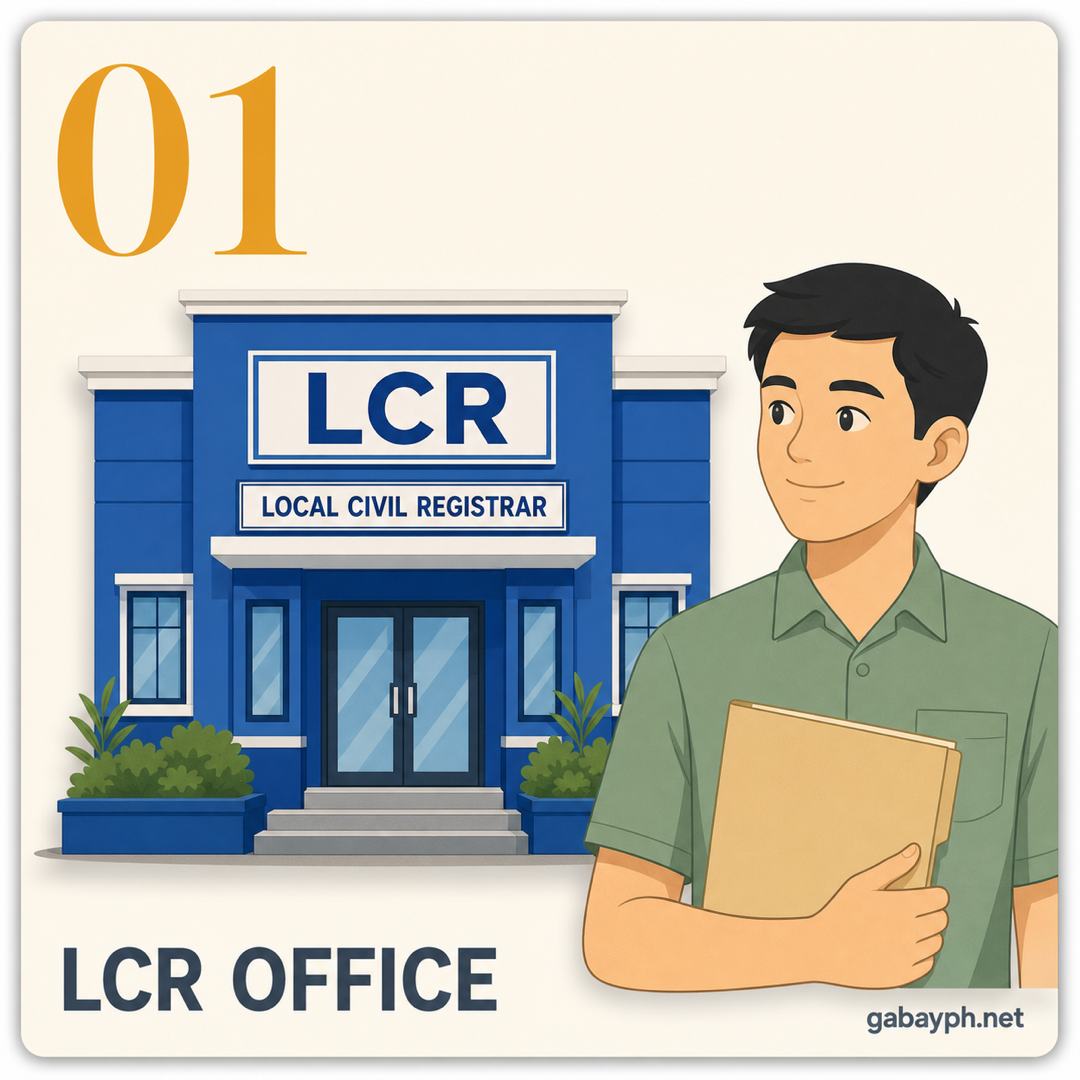
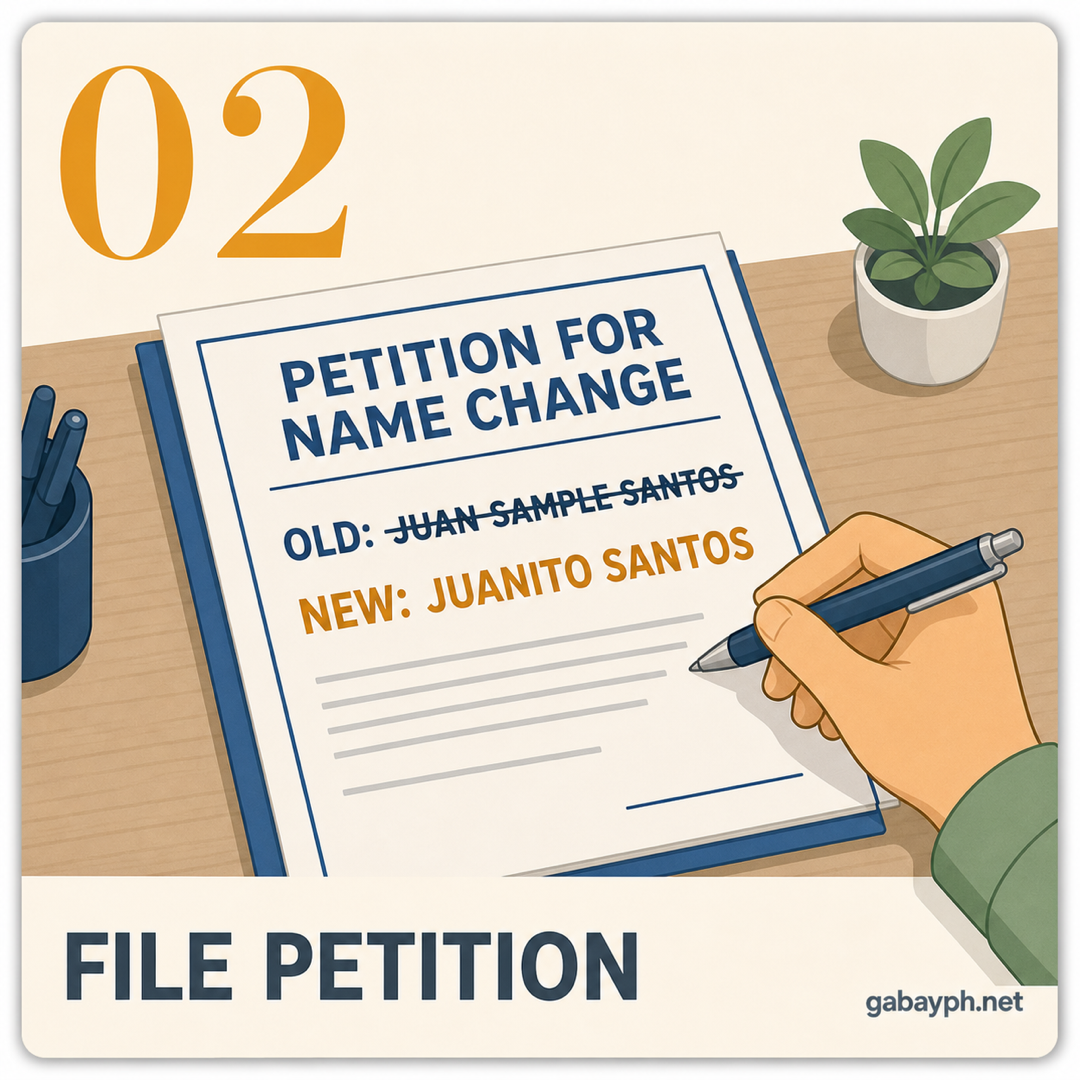

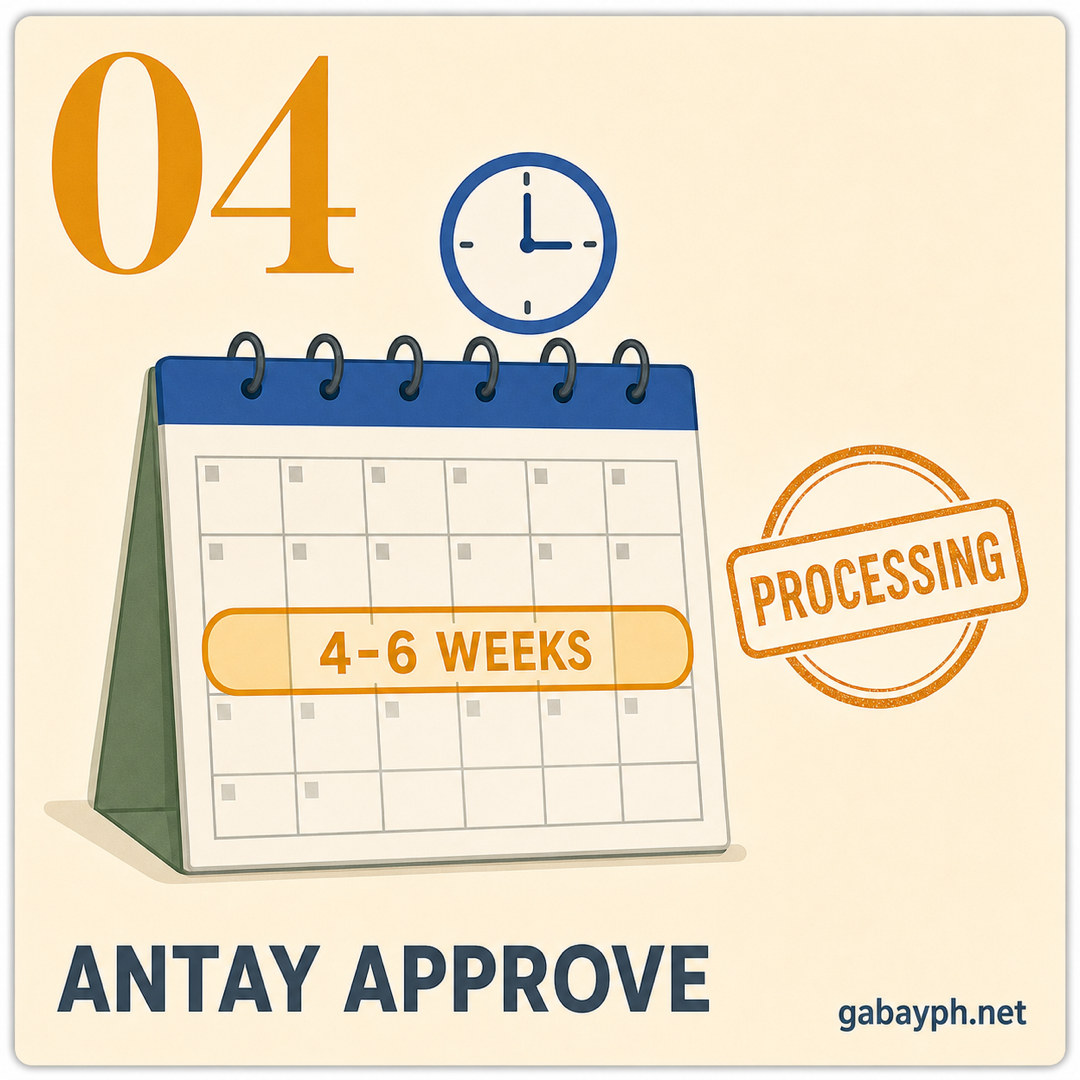
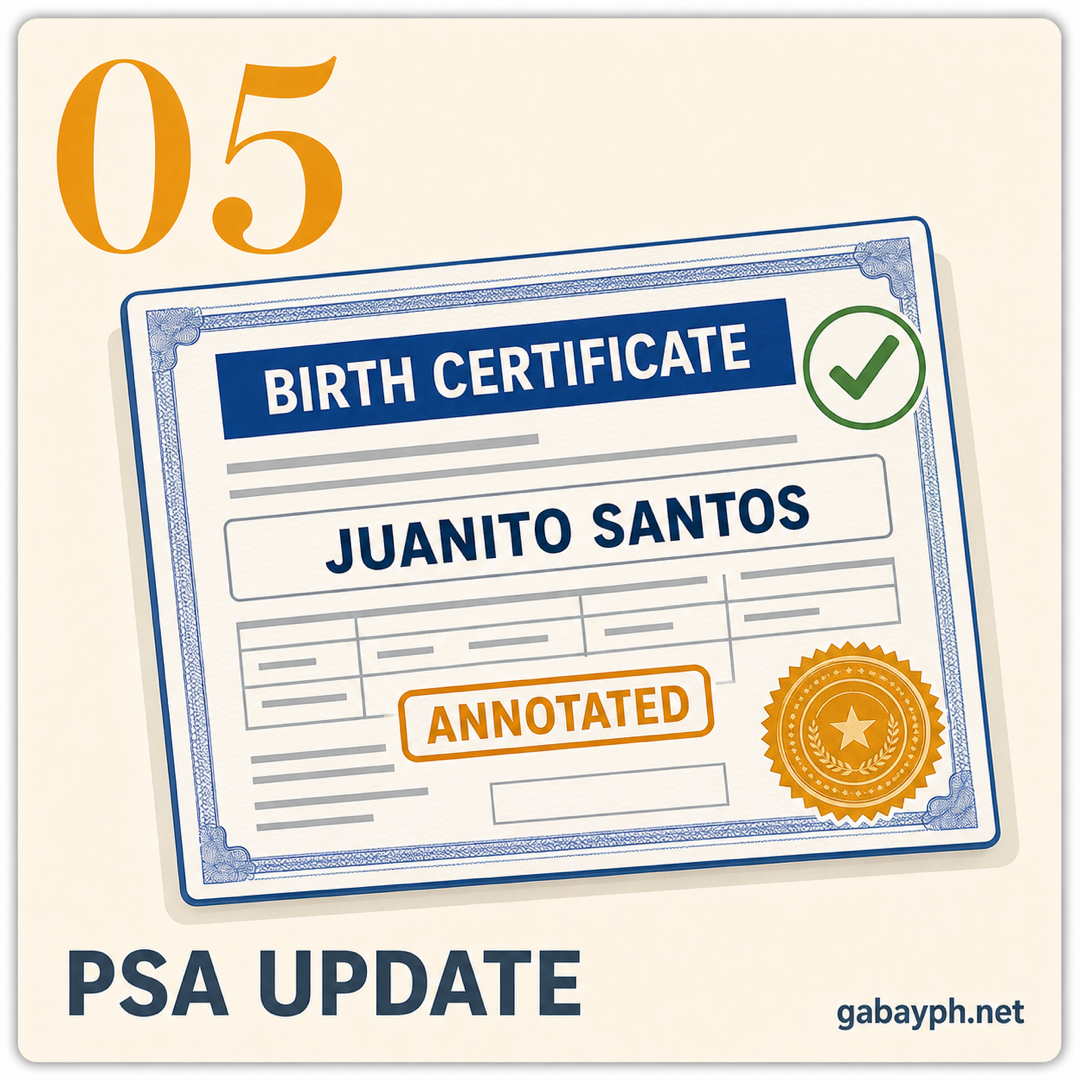
Quick Summary
Mabilis na Buod
Table of Contents
Talaan ng Nilalaman
- Pangkalahatang-tanaw: Dalawang Paraan ng Pagpapalit ng Pangalan
- Kailan Ka Pwedeng Legal na Magpalit ng Pangalan
- Administrative na Pagpapalit ng First Name (RA 9048)
- Judicial na Pagpapalit ng Pangalan (Court Petition)
- Pagpapalit ng Gender Marker (RA 10172)
- Pagkatapos ng Pagbabago: Pag-update ng Lahat ng IDs
- Mga Payo
- Mga Madalas Itanong
Overview: Two Paths to Changing Your Name
Pangkalahatang-tanaw: Dalawang Paraan ng Pagpapalit ng Pangalan
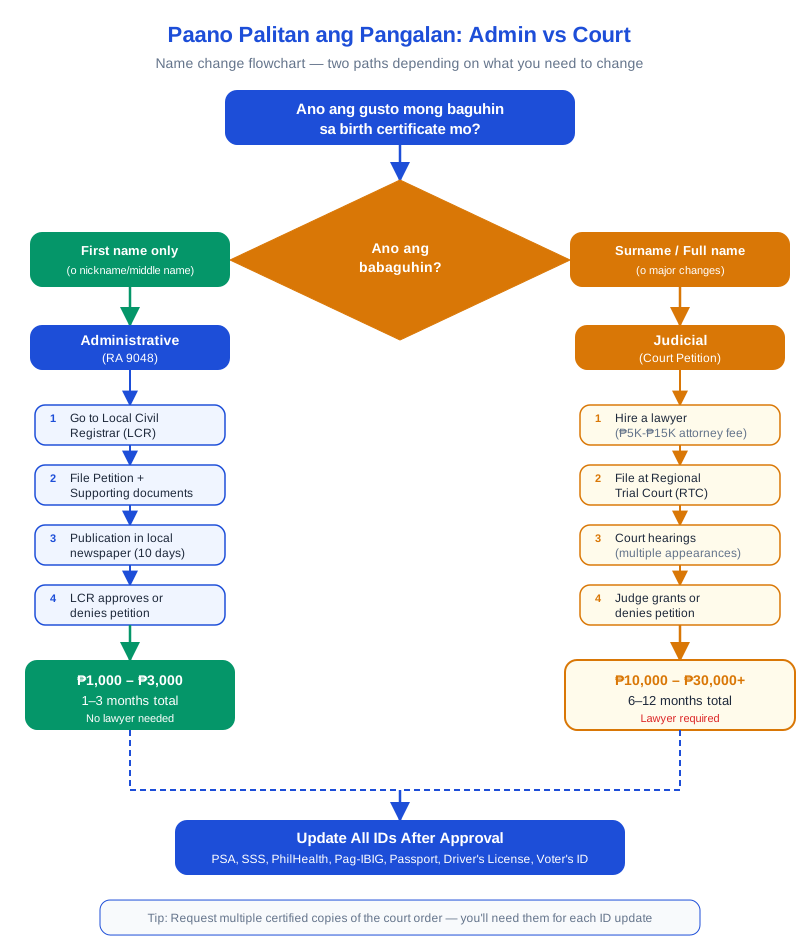
In the Philippines, there are two legal paths to changing your name, and the one you need depends on what exactly you want to change:
Sa Pilipinas, may dalawang legal na paraan para mapalitan ang iyong pangalan, at depende sa kung ano ang gusto mong baguhin kung alin ang kailangan mo:
1. Administrative Change (RA 9048) — First name only. This is done at the Local Civil Registrar (LCR) in the city or municipality where your birth was registered. No court appearance needed. Mas mabilis, mas mura, at mas simple ang proseso. Typically takes 1–3 months and costs ₱1,000–₱3,000.
1. Administrative na Pagbabago (RA 9048) — First name lang. Ito ay ginagawa sa Local Civil Registrar (LCR) sa lungsod o munisipalidad kung saan naka-register ang iyong kapanganakan. Hindi na kailangan pumunta sa korte. Mas mabilis, mas mura, at mas simple ang proseso. Karaniwan ay tumatagal ng 1–3 buwan at nagkakahalaga ng ₱1,000–₱3,000.
2. Judicial Change (Court Petition) — Surname, full name, or other changes. This requires filing a petition in the Regional Trial Court (RTC). You will need a lawyer, go through a hearing, and wait for a court order. Mas matagal at mas mahal — typically 6–12 months and ₱10,000–₱30,000+ in legal and court fees.
2. Judicial na Pagbabago (Court Petition) — Apelyido, buong pangalan, o iba pang pagbabago. Ito ay nangangailangan ng paghain ng petisyon sa Regional Trial Court (RTC). Kailangan mo ng abogado, dadaan sa hearing, at maghihintay ng court order. Mas matagal at mas mahal — karaniwan ay 6–12 buwan at ₱10,000–₱30,000+ sa legal at court fees.
The key thing to understand: administrative change is only for first names. Kung apelyido o buong pangalan ang gusto mong palitan, walang shortcut — court petition talaga ang kailangan mo. Let us break down each path in detail.
Ang mahalagang intindihin: ang administrative na pagbabago ay para lang sa first name. Kung apelyido o buong pangalan ang gusto mong palitan, walang shortcut — court petition talaga ang kailangan mo. I-dedetalye natin ang bawat paraan.
When You Can Legally Change Your Name
Kailan Ka Pwedeng Legal na Magpalit ng Pangalan
You cannot simply change your name because you feel like it. Philippine law requires valid grounds for a name change. Under RA 9048 (for administrative first name change at the LCR), the following grounds are recognized:
Hindi ka basta-basta pwedeng magpalit ng pangalan dahil lang sa gusto mo. Kailangan ng valid na dahilan ayon sa batas ng Pilipinas. Sa ilalim ng RA 9048 (para sa administrative na pagpapalit ng first name sa LCR), ang mga sumusunod na dahilan ay kinikilala:
- The first name is ridiculous, tainted with dishonor, or extremely difficult to write or pronounce. For example, if your parents named you something that causes constant embarrassment or bullying, this qualifies. Think unusual combinations, offensive-sounding names, or names that are culturally insensitive.
- You have been habitually and continuously known by a different first name. Kung buong buhay mo ay "Miguel" ang tawag sa iyo pero "Restituto" ang nasa birth certificate mo, and you can prove this through school records, employment documents, and affidavits from people who know you — pwede mong i-change.
- You have a sincere desire to adopt a Filipino name to erase signs of former alienage. This applies to naturalized Filipino citizens who want to change a foreign first name to a Filipino one.
- Ang first name ay nakakatawa, nakakahiya, o sobrang mahirap isulat o bigkasin. Halimbawa, kung pinangalanan ka ng iyong mga magulang na nagdudulot ng patuloy na kahihiyan o pang-aasar, kwalipikado ito. Isipin ang mga hindi pangkaraniwang kumbinasyon, nakakapang-insulto na mga pangalan, o mga pangalang hindi kulturally naaangkop.
- Ikaw ay palagi at patuloy na kilala sa ibang first name. Kung buong buhay mo ay "Miguel" ang tawag sa iyo pero "Restituto" ang nasa birth certificate mo, at napapatunayan mo ito sa pamamagitan ng school records, employment documents, at mga affidavit mula sa mga taong nakakakilala sa iyo — pwede mong i-change.
- Mayroon kang tapat na pagnanais na mag-adopt ng Filipino name para burahin ang mga tanda ng dating pagiging dayuhan. Ito ay naaangkop sa mga naturalized Filipino citizens na gustong palitan ang kanilang foreign first name ng Filipino na pangalan.
For judicial name changes (court petition), the grounds are broader but still require justification. Courts will grant a name change if you can show a proper and reasonable cause, such as:
Para sa judicial na pagpapalit ng pangalan (court petition), mas malawak ang mga dahilan pero kailangan pa rin ng justification. Papayagan ng korte ang pagpapalit ng pangalan kung maipapakita mo ang wastong at makatwirang dahilan, tulad ng:
- Your surname has been a source of embarrassment or causes confusion
- You want to adopt the surname of a stepparent who raised you
- You want to use your mother's maiden name after your parents' annulment
- You are changing your name in connection with a gender identity transition
- You want to change both first name and surname simultaneously
- Ang iyong apelyido ay pinagmumulan ng kahihiyan o nagdudulot ng kalituhan
- Gusto mong gamitin ang apelyido ng stepparent na nag-aruga sa iyo
- Gusto mong gamitin ang maiden name ng iyong ina matapos ang annulment ng mga magulang mo
- Nagpapalit ka ng pangalan kaugnay ng gender identity transition
- Gusto mong palitan ang parehong first name at apelyido nang sabay
Bottom line: kung first name lang ang papalitan mo at may valid ground ka under RA 9048, administrative route ang gawin mo — mas mabilis at mas mura. For anything involving a surname or full name change, prepare for the judicial route.
Sa madaling salita: kung first name lang ang papalitan mo at may valid ground ka under RA 9048, administrative route ang gawin mo — mas mabilis at mas mura. Para sa anumang may kinalaman sa apelyido o buong pangalan, maghanda sa judicial route.
Administrative First Name Change (RA 9048) — Step by Step
Administrative na Pagpapalit ng First Name (RA 9048) — Hakbang-Hakbang
This is the simpler path. You file your petition directly at the Local Civil Registrar (LCR) — no court, no lawyer required. Here is the complete process:
Ito ang mas simpleng paraan. I-file mo ang iyong petisyon nang direkta sa Local Civil Registrar (LCR) — walang korte, walang kailangang abogado. Narito ang kumpletong proseso:
Requirements for Administrative First Name Change
Mga Kailangan para sa Administrative na Pagpapalit ng First Name
- Certified true copy of your PSA birth certificate — this is the document that will be amended. Get it from PSA or order online at psaserbilis.com.ph.
- At least two (2) valid government-issued IDs — original copies, not expired. Examples: passport, driver's license, UMID, PhilSys National ID, voter's ID.
- Petition form (provided by the LCR) — you will fill this out at the LCR office. Some LCRs provide a downloadable version on their website.
- Supporting documents proving your grounds — school records, employment records, affidavits from at least two (2) disinterested persons who can attest to your use of the new name, or documents showing why the current name is ridiculous/embarrassing.
- NBI Clearance or Police Clearance — to prove you are not changing your name to evade legal obligations or criminal charges.
- Publication fee receipt — the name change must be published in a newspaper of general circulation once a week for two consecutive weeks. The LCR will tell you which newspaper to use. Budget ₱500–₱2,000 for this.
- Certified true copy ng iyong PSA birth certificate — ito ang dokumentong i-a-amend. Kunin ito sa PSA o mag-order online sa psaserbilis.com.ph.
- Hindi bababa sa dalawang (2) valid na government-issued IDs — original copies, hindi expired. Halimbawa: passport, driver's license, UMID, PhilSys National ID, voter's ID.
- Petition form (ibibigay ng LCR) — sasagutin mo ito sa LCR office. Ang ibang mga LCR ay may mada-download na version sa kanilang website.
- Mga sumusuportang dokumento na nagpapatunay ng iyong dahilan — school records, employment records, mga affidavit mula sa hindi bababa sa dalawang (2) disinterested persons na makakapagpatunay sa iyong paggamit ng bagong pangalan, o mga dokumento na nagpapakita kung bakit nakakatawa/nakakahiya ang kasalukuyang pangalan.
- NBI Clearance o Police Clearance — para patunayan na hindi ka nagpapalit ng pangalan para takasan ang mga legal na obligasyon o criminal charges.
- Resibo ng publication fee — ang pagpapalit ng pangalan ay kailangang i-publish sa newspaper of general circulation isang beses sa isang linggo sa loob ng dalawang magkasunod na linggo. Sasabihin ng LCR kung aling diyaryo ang gagamitin. Mag-budget ng ₱500–₱2,000 para dito.
-
Go to the Local Civil Registrar (LCR) Where Your Birth Was Registered
Pumunta sa Local Civil Registrar (LCR) Kung Saan Nairehistro ang Iyong Kapanganakan
This is important: you must file at the LCR of the city or municipality where your birth was originally registered — not where you currently live (unless they happen to be the same place). Check your PSA birth certificate to confirm which LCR office to visit.
Mahalaga ito: kailangan mong mag-file sa LCR ng lungsod o munisipalidad kung saan orihinal na nairehistro ang iyong kapanganakan — hindi kung saan ka kasalukuyang nakatira (maliban kung pareho naman ang lugar). Tingnan ang iyong PSA birth certificate para ma-confirm kung saang LCR office pupunta.
If you are an OFW or living far from where your birth was registered, some LCRs accept filing through an authorized representative with a Special Power of Attorney (SPA). Call the LCR first to confirm their policy on this — hindi lahat ng LCR ay pareho ang rules.
Kung ikaw ay OFW o malayo ang tirahan mula sa lugar kung saan nairehistro ang iyong kapanganakan, may mga LCR na tumatanggap ng filing sa pamamagitan ng authorized representative na may Special Power of Attorney (SPA). Tumawag muna sa LCR para i-confirm ang kanilang patakaran tungkol dito — hindi lahat ng LCR ay pareho ang rules.
-
File the Petition and Submit Your Documents
I-file ang Petisyon at I-submit ang Iyong mga Dokumento
At the LCR, request the petition form for change of first name under RA 9048. Fill it out completely — you will need to state your current first name, your desired new first name, and the specific ground for the change. Attach all your supporting documents.
Sa LCR, humingi ng petition form para sa pagpapalit ng first name sa ilalim ng RA 9048. Sagutan ito nang kumpleto — kailangan mong isulat ang iyong kasalukuyang first name, ang bagong first name na gusto mo, at ang specific na dahilan ng pagpapalit. I-attach ang lahat ng iyong mga sumusuportang dokumento.
The LCR staff will review your petition and documents. If anything is missing, they will tell you what else you need to bring. Some LCRs are strict about the affidavits — make sure the "disinterested persons" are not immediate family members. Think of neighbors, coworkers, teachers, or community leaders who have known you by the name you want to adopt.
Ire-review ng LCR staff ang iyong petisyon at mga dokumento. Kung may kulang, sasabihin nila kung ano pa ang kailangan mong dalhin. Ang ibang mga LCR ay mahigpit tungkol sa mga affidavit — siguraduhing ang "disinterested persons" ay hindi mga immediate family members. Mag-isip ng mga kapitbahay, katrabaho, guro, o community leaders na kilala ka sa pangalang gusto mong gamitin.
Pay the filing fee, which varies by LCR but is typically ₱1,000–₱3,000. Ask for an official receipt — itago mo ito, kakailanganin mo for follow-up.
Magbayad ng filing fee, na iba-iba depende sa LCR pero karaniwan ay ₱1,000–₱3,000. Humingi ng official receipt — itago mo ito, kakailanganin mo para sa follow-up.
-
Publication in a Newspaper of General Circulation
Publication sa Newspaper of General Circulation
After your petition is accepted, the LCR will require you to publish the petition in a newspaper of general circulation in the province or city. The notice must be published once a week for two consecutive weeks. This is a legal requirement to give the public an opportunity to oppose the name change.
Matapos matanggap ang iyong petisyon, kailanganin ng LCR na i-publish mo ang petisyon sa isang newspaper of general circulation sa probinsya o lungsod. Ang notice ay kailangang i-publish isang beses sa isang linggo sa loob ng dalawang magkasunod na linggo. Ito ay legal requirement para bigyan ang publiko ng pagkakataong tutulan ang pagpapalit ng pangalan.
The LCR will typically give you a list of accredited newspapers. Publication costs range from ₱500 to ₱2,000 depending on the newspaper and your area. After publication, get the affidavit of publication from the newspaper and submit it back to the LCR as proof.
Ang LCR ay karaniwang magbibigay sa iyo ng listahan ng mga accredited newspapers. Ang halaga ng publication ay mula ₱500 hanggang ₱2,000 depende sa diyaryo at sa iyong lugar. Matapos ang publication, kunin ang affidavit of publication mula sa diyaryo at i-submit ito sa LCR bilang patunay.
-
Wait for LCR Processing and Approval
Maghintay sa Proseso at Pag-approve ng LCR
After you submit the affidavit of publication, the LCR will process your petition. They will check if anyone filed an opposition during the publication period. If no one opposes and your petition meets all the legal requirements, the City or Municipal Civil Registrar will approve the petition and issue an order granting the change of first name.
Matapos mong i-submit ang affidavit of publication, ipoproseso ng LCR ang iyong petisyon. I-che-check nila kung may nag-file ba ng pagtutol sa panahon ng publication. Kung walang tumutol at natutugunan ng iyong petisyon ang lahat ng legal requirements, ang City o Municipal Civil Registrar ay mag-a-approve ng petisyon at maglalabas ng order na nagbibigay ng pagpapalit ng first name.
Processing time varies by LCR. Some are efficient and process within 1–2 months; others may take up to 3 months. Wag mahiya na mag-follow up — tumawag ka sa LCR every 2–3 weeks para malaman ang status ng iyong petition.
Ang oras ng pagproseso ay iba-iba depende sa LCR. Ang iba ay mabilis at nagpoproseso sa loob ng 1–2 buwan; ang iba naman ay aabutin ng hanggang 3 buwan. Wag mahiya na mag-follow up — tumawag ka sa LCR every 2–3 weeks para malaman ang status ng iyong petisyon.
-
PSA Annotation of Your Birth Certificate
PSA Annotation ng Iyong Birth Certificate
Once the LCR approves your petition, they will send the approved order to the Philippine Statistics Authority (PSA) for annotation. Annotation means the PSA will update your birth certificate record to reflect your new first name. The old name will still appear on the certificate, but it will be annotated (marked) with the change.
Kapag na-approve ng LCR ang iyong petisyon, ipapadala nila ang approved order sa Philippine Statistics Authority (PSA) para sa annotation. Ang annotation ay nangangahulugang i-a-update ng PSA ang record ng iyong birth certificate para ipakita ang iyong bagong first name. Makikita pa rin ang lumang pangalan sa certificate, pero may annotation (marka) na ng pagbabago.
PSA annotation takes an additional 2–4 weeks after the LCR forwards the documents. After annotation, you can order a new copy of your PSA birth certificate showing your new first name. This annotated PSA birth certificate is what you will use to update all your other IDs and documents.
Ang PSA annotation ay tumatagal ng dagdag na 2–4 linggo matapos ipadala ng LCR ang mga dokumento. Matapos ang annotation, pwede ka nang mag-order ng bagong copy ng iyong PSA birth certificate na nagpapakita ng iyong bagong first name. Ang annotated PSA birth certificate na ito ang gagamitin mo para i-update ang lahat ng iba mo pang IDs at mga dokumento.
Fees and Timeline Summary (Administrative)
Buod ng Bayarin at Timeline (Administrative)
- LCR filing fee: ₱1,000–₱3,000 (varies by city/municipality)
- Publication fee: ₱500–₱2,000
- PSA birth certificate copy: ₱155 (if ordering a new copy after annotation)
- NBI Clearance: ₱155
- Total estimated cost: ₱1,810–₱5,310
- Timeline: 1–3 months for LCR processing + 2–4 weeks for PSA annotation
- Filing fee sa LCR: ₱1,000–₱3,000 (iba-iba depende sa lungsod/munisipalidad)
- Publication fee: ₱500–₱2,000
- PSA birth certificate copy: ₱155 (kung mag-o-order ng bagong copy matapos ang annotation)
- NBI Clearance: ₱155
- Kabuuang tinatayang gastos: ₱1,810–₱5,310
- Timeline: 1–3 buwan para sa LCR processing + 2–4 na linggo para sa PSA annotation
Judicial Name Change (Court Petition) — Step by Step
Judicial na Pagpapalit ng Pangalan (Court Petition) — Hakbang-Hakbang
This route is required when you need to change your surname, your full name (first and last), or when the administrative route does not apply to your situation. It involves filing a petition in the Regional Trial Court (RTC) and going through a formal legal process. Hindi ito kasing simple ng administrative route, but here is how it works:
Ang paraan na ito ay kailangan kapag gusto mong palitan ang iyong apelyido, buong pangalan (first at last), o kapag hindi applicable ang administrative route sa iyong sitwasyon. Kailangan mong mag-file ng petisyon sa Regional Trial Court (RTC) at dumaan sa pormal na legal process. Hindi ito kasing simple ng administrative route, pero narito kung paano ito gumagana:
When Is a Judicial Petition Required?
Kailan Kailangan ang Judicial Petition?
- Changing your surname (family name / apelyido)
- Changing your full name (both first and surname)
- Changing a name that does not fall under the RA 9048 grounds
- Name change connected to a gender identity transition (where you want to change both name and gender marker)
- Adoption-related name changes that cannot be resolved at the LCR level
- Pagpapalit ng iyong apelyido (family name)
- Pagpapalit ng iyong buong pangalan (parehong first at surname)
- Pagpapalit ng pangalan na hindi sakop ng mga dahilan sa RA 9048
- Pagpapalit ng pangalan na konektado sa gender identity transition (kung saan gusto mong palitan ang pangalan at gender marker)
- Adoption-related name changes na hindi mareso-resolba sa LCR level
-
Hire a Lawyer
Kumuha ng Abogado
You will need a lawyer to prepare and file the court petition. Attorney's fees typically range from ₱10,000 to ₱25,000. Ask for a fixed fee arrangement and written engagement letter. The PAO (Public Attorney's Office) may assist if you qualify for free legal aid.
Kailangan mo ng abogado para ihanda at i-file ang court petition. Ang attorney's fees ay karaniwang mula ₱10,000 hanggang ₱25,000. Humingi ng fixed fee arrangement at nakasulat na engagement letter. Ang PAO (Public Attorney's Office) ay maaaring tumulong kung kwalipikado ka para sa libreng legal aid.
-
File the Petition in the Regional Trial Court (RTC)
I-file ang Petisyon sa Regional Trial Court (RTC)
Your lawyer will prepare a verified petition stating your current name, your desired new name, the reasons for the change, and supporting evidence. The petition must be filed in the RTC of the province or city where you reside or where your birth was registered.
Ihahanda ng iyong abogado ang verified petition na nagsasaad ng iyong kasalukuyang pangalan, ang bagong pangalang gusto mo, ang mga dahilan para sa pagbabago, at mga sumusuportang ebidensya. Ang petisyon ay kailangang i-file sa RTC ng probinsya o lungsod kung saan ka nakatira o kung saan nairehistro ang iyong kapanganakan.
Filing fees in the RTC for name change petitions are around ₱2,000–₱5,000, depending on the court. Your lawyer will handle the filing, but make sure to ask for copies of everything that gets filed — you want your own records.
Ang filing fees sa RTC para sa mga name change petitions ay humigit-kumulang ₱2,000–₱5,000, depende sa korte. Ang iyong abogado ang mag-ha-handle ng filing, pero siguraduhing humingi ng mga kopya ng lahat ng na-file — gusto mong may sarili kang records.
-
Publication and Hearing Schedule
Publication at Schedule ng Hearing
The court will order the publication of your petition in a newspaper of general circulation once a week for three consecutive weeks. This is to notify the public and give anyone a chance to oppose your name change. Publication costs are similar — around ₱1,500–₱3,000.
Uutusan ng korte ang publication ng iyong petisyon sa isang newspaper of general circulation isang beses sa isang linggo sa loob ng tatlong magkakasunod na linggo. Ito ay para ipaalam sa publiko at bigyan ang sinuman ng pagkakataong tutulan ang pagpapalit ng iyong pangalan. Ang halaga ng publication ay katulad — humigit-kumulang ₱1,500–₱3,000.
After publication, the court will schedule a hearing. This is where you (and potentially witnesses) will testify before a judge to explain why you want to change your name. The Office of the Solicitor General (OSG) or the city/provincial prosecutor may appear to oppose or question the petition — this is standard procedure, hindi personal.
Pagkatapos ng publication, mag-i-schedule ang korte ng hearing. Dito ka (at posibleng mga saksi) magpapatunay sa harap ng hukom para ipaliwanag kung bakit gusto mong palitan ang iyong pangalan. Ang Office of the Solicitor General (OSG) o ang city/provincial prosecutor ay maaaring humarap para tutulan o tanungin ang petisyon — standard procedure ito, hindi personal.
-
Attend the Court Hearing
Dumalo sa Court Hearing
On the hearing date, you and your lawyer will appear before the judge. You may need to present evidence such as:
Sa araw ng hearing, haharap ka kasama ang iyong abogado sa harap ng hukom. Maaaring kailanganin mong magpresenta ng ebidensya tulad ng:
- Your PSA birth certificate
- Affidavits from people who know you by the name you want to adopt
- School records, employment records, or community records showing use of the new name
- NBI Clearance or Police Clearance
- Any other documents supporting your reason for the change
- Ang iyong PSA birth certificate
- Mga affidavit mula sa mga taong kilala ka sa pangalang gusto mong gamitin
- School records, employment records, o community records na nagpapakita ng paggamit ng bagong pangalan
- NBI Clearance o Police Clearance
- Anumang iba pang mga dokumento na sumusuporta sa iyong dahilan para sa pagbabago
The judge will ask you questions about your reasons for wanting the name change. Be honest and straightforward. Kung totoo ang iyong dahilan at walang masamang intensyon, karaniwang may pabor ang korte. There may be one hearing or multiple hearings depending on the case — your lawyer will prepare you for what to expect.
Magtatanong ang hukom tungkol sa iyong mga dahilan para gusto mong palitan ang pangalan. Maging matapat at diretso. Kung totoo ang iyong dahilan at walang masamang intensyon, karaniwang may pabor ang korte. Maaaring magkaroon ng isang hearing o maramihang hearing depende sa kaso — ihahanda ka ng iyong abogado sa kung ano ang aasahan.
-
Receive the Court Order and Annotate at the LCR
Tanggapin ang Court Order at Mag-annotate sa LCR
If the judge grants your petition, you will receive a court order approving the name change. This court order must then be brought to the LCR where your birth was registered for annotation. The LCR will update their records and forward the annotation to the PSA.
Kung papayagan ng hukom ang iyong petisyon, makakatanggap ka ng court order na nag-a-approve ng pagpapalit ng pangalan. Ang court order na ito ay kailangang dalhin sa LCR kung saan nairehistro ang iyong kapanganakan para sa annotation. I-a-update ng LCR ang kanilang mga record at ipapadala ang annotation sa PSA.
After PSA annotation (another 2–4 weeks), you can order a new PSA birth certificate reflecting your new name. This is your golden ticket — gamitin mo ito para i-update ang lahat ng iyong IDs and documents.
Matapos ang PSA annotation (dagdag na 2–4 linggo), pwede ka nang mag-order ng bagong PSA birth certificate na nagrerepresenta ng iyong bagong pangalan. Ito ang iyong golden ticket — gamitin mo ito para i-update ang lahat ng iyong IDs at mga dokumento.
Fees and Timeline Summary (Judicial)
Buod ng Bayarin at Timeline (Judicial)
- Attorney's fees: ₱10,000–₱25,000
- Court filing fees: ₱2,000–₱5,000
- Publication fee: ₱1,500–₱3,000
- Miscellaneous (NBI Clearance, PSA copy, notarization, etc.): ₱500–₱2,000
- Total estimated cost: ₱14,000–₱35,000+
- Timeline: 6–12 months (court process) + 2–4 weeks (PSA annotation)
- Attorney's fees: ₱10,000–₱25,000
- Court filing fees: ₱2,000–₱5,000
- Publication fee: ₱1,500–₱3,000
- Miscellaneous (NBI Clearance, PSA copy, notarization, atbp.): ₱500–₱2,000
- Kabuuang tinatayang gastos: ₱14,000–₱35,000+
- Timeline: 6–12 buwan (court process) + 2–4 na linggo (PSA annotation)
Gender Marker Change (RA 10172)
Pagpapalit ng Gender Marker (RA 10172)
Republic Act 10172 allows the administrative correction of the entry for sex or gender in the civil registry, but only in specific cases involving clerical or typographical errors in the sex entry on a birth certificate. This is processed at the LCR, similar to the administrative first name change process.
Ang Republic Act 10172 ay nagpapahintulot ng administrative na pagwawasto ng entry para sa sex o gender sa civil registry, pero sa mga specific na kaso lamang na may kinalaman sa clerical o typographical errors sa sex entry sa birth certificate. Ito ay pinoproseso sa LCR, katulad ng administrative na proseso ng pagpapalit ng first name.
Important clarification: RA 10172 is not a gender identity law. It specifically covers situations where the sex indicated on the birth certificate does not match the person's actual biological sex due to a clerical error — for example, if a biologically male person was mistakenly recorded as "Female" at birth. The law requires a medical certificate from a licensed physician to support the correction.
Mahalagang paglilinaw: Ang RA 10172 ay hindi gender identity law. Sakop nito ang mga sitwasyon kung saan ang sex na nakasaad sa birth certificate ay hindi tumutugma sa aktwal na biological sex ng tao dahil sa clerical error — halimbawa, kung ang isang biologically male na tao ay maling nairecord bilang "Female" noong kapanganakan. Kinakailangan ng batas ang medical certificate mula sa licensed physician para suportahan ang pagwawasto.
Requirements for Gender Marker Correction (RA 10172)
Mga Kailangan para sa Pagwawasto ng Gender Marker (RA 10172)
- Certified true copy of PSA birth certificate
- Medical certificate from a licensed physician confirming biological sex
- At least two (2) valid government-issued IDs
- Affidavit of two disinterested persons attesting to the correct sex
- Publication in a newspaper of general circulation (once a week for two consecutive weeks)
- NBI Clearance or Police Clearance
- Filing fee at the LCR (₱1,000–₱3,000)
- Certified true copy ng PSA birth certificate
- Medical certificate mula sa licensed physician na nagkokumpirma ng biological sex
- Hindi bababa sa dalawang (2) valid na government-issued IDs
- Affidavit ng dalawang disinterested persons na nagpapatunay sa tamang sex
- Publication sa newspaper of general circulation (isang beses sa isang linggo sa loob ng dalawang magkakasunod na linggo)
- NBI Clearance o Police Clearance
- Filing fee sa LCR (₱1,000–₱3,000)
The process and timeline are similar to the administrative first name change: file at the LCR, publish, wait for approval, then PSA annotation. Total timeline is typically 1–3 months.
Ang proseso at timeline ay katulad ng administrative na pagpapalit ng first name: mag-file sa LCR, i-publish, maghintay ng approval, pagkatapos PSA annotation. Ang kabuuang timeline ay karaniwan 1–3 buwan.
Note: if you need to change both your name and gender marker simultaneously and the change goes beyond a clerical correction, you will likely need a judicial petition (court route). Consult a lawyer who specializes in civil cases or SOGIE-related legal matters for guidance specific to your situation.
Paalala: kung kailangan mong palitan ang iyong pangalan at gender marker nang sabay at ang pagbabago ay higit pa sa clerical correction, maaaring kailangan mo ng judicial petition (court route). Kumonsulta sa abogado na espesyalista sa civil cases o SOGIE-related legal matters para sa gabay na specific sa iyong sitwasyon.
After the Change: Updating All Your IDs and Documents
Pagkatapos ng Pagbabago: Pag-update ng Lahat ng IDs at Dokumento
Congratulations — your name change is officially approved and annotated with PSA! Pero hindi pa tapos ang trabaho. You now need to update all your IDs, records, and accounts to reflect your new legal name. This is the tedious part, pero kailangan gawin para consistent ang pangalan mo sa lahat ng dokumento.
Congratulations — ang pagpapalit ng iyong pangalan ay opisyal nang na-approve at na-annotate sa PSA! Pero hindi pa tapos ang trabaho. Kailangan mo nang i-update ang lahat ng iyong IDs, records, at accounts para ipakita ang iyong bagong legal name. Ito ang nakakapagod na parte, pero kailangan gawin para consistent ang pangalan mo sa lahat ng dokumento.
Here is a checklist of documents and IDs to update, roughly in order of priority:
Narito ang checklist ng mga dokumento at IDs na kailangang i-update, ayon sa priority:
Post-Name-Change Update Checklist
Checklist ng mga I-u-update Matapos Mapalitan ang Pangalan
- PSA Birth Certificate — Order a new annotated copy from PSA to use as your primary supporting document for all other updates.
- Philippine Passport — Visit DFA to apply for a new passport. Bring the annotated PSA birth certificate, court order (if judicial), and your old passport.
- Driver's License — Go to LTO for a change of name. Bring the annotated PSA birth certificate, current license, and court order (if judicial).
- Voter Registration (COMELEC) — File an application for transfer/change of name at your local COMELEC office during registration periods.
- SSS Records — Visit the nearest SSS branch or update online through MySSS. Bring the annotated PSA birth certificate and valid ID.
- PhilHealth Records — Update at any PhilHealth office. Bring the annotated PSA birth certificate and current PhilHealth ID.
- Pag-IBIG Records — Visit a Pag-IBIG branch or update through the Virtual Pag-IBIG portal.
- TIN / BIR Records — File BIR Form 1905 (Application for Registration Information Update) at your BIR RDO.
- Bank Accounts — Visit each bank branch to update your account name. Requirements vary per bank but usually include the annotated PSA birth certificate and valid ID.
- School and Academic Records — Contact your schools (elementary, high school, college) to request record updates. Some schools may require a formal letter plus supporting documents.
- Employment Records — Notify your HR department and provide a copy of the annotated birth certificate. They will update payroll, benefits, and company records.
- Other IDs — PhilSys National ID, Postal ID, NBI Clearance, PRC License (if applicable), company/org IDs, insurance policies, credit cards, loyalty cards, etc.
- PSA Birth Certificate — Mag-order ng bagong annotated copy mula sa PSA para gamitin bilang pangunahing sumusuportang dokumento para sa lahat ng iba pang updates.
- Philippine Passport — Pumunta sa DFA para mag-apply ng bagong passport. Dalhin ang annotated PSA birth certificate, court order (kung judicial), at ang iyong lumang passport.
- Driver's License — Pumunta sa LTO para sa change of name. Dalhin ang annotated PSA birth certificate, kasalukuyang lisensya, at court order (kung judicial).
- Voter Registration (COMELEC) — Mag-file ng application para sa transfer/change of name sa iyong local COMELEC office sa panahon ng registration.
- SSS Records — Pumunta sa pinakamalapit na SSS branch o mag-update online sa MySSS. Dalhin ang annotated PSA birth certificate at valid ID.
- PhilHealth Records — Mag-update sa anumang PhilHealth office. Dalhin ang annotated PSA birth certificate at kasalukuyang PhilHealth ID.
- Pag-IBIG Records — Pumunta sa Pag-IBIG branch o mag-update sa Virtual Pag-IBIG portal.
- TIN / BIR Records — Mag-file ng BIR Form 1905 (Application for Registration Information Update) sa iyong BIR RDO.
- Bank Accounts — Pumunta sa bawat bank branch para i-update ang account name mo. Iba-iba ang requirements per bank pero karaniwang kasama ang annotated PSA birth certificate at valid ID.
- School at Academic Records — Makipag-ugnayan sa iyong mga paaralan (elementary, high school, college) para mag-request ng record updates. Ang ilang paaralan ay maaaring mangailangan ng pormal na liham kasama ang mga sumusuportang dokumento.
- Employment Records — Ipaalam sa iyong HR department at magbigay ng kopya ng annotated birth certificate. I-a-update nila ang payroll, benefits, at mga company records.
- Iba pang IDs — PhilSys National ID, Postal ID, NBI Clearance, PRC License (kung applicable), company/org IDs, insurance policies, credit cards, loyalty cards, atbp.
Pro tip: make multiple certified true copies of your annotated PSA birth certificate and the court order (if judicial). You will need to submit copies to almost every agency and institution. Having 5–10 extra copies saves you from having to order more later. Keep the originals in a safe place — never submit your only original copy.
Payo: mag-pa-gawa ng maraming certified true copies ng iyong annotated PSA birth certificate at ng court order (kung judicial). Kailangan mong mag-submit ng mga kopya sa halos bawat ahensya at institusyon. Ang pagkakaroon ng 5–10 dagdag na kopya ay nakakatipid sa iyo mula sa pagkuha ng mas marami pa mamaya. Itago ang mga original sa ligtas na lugar — huwag kailanman i-submit ang iyong tanging original na kopya.
Pro Tips
Mga Payo
- Start with the administrative route if possible. If you only need to change your first name and you have valid grounds under RA 9048, go the LCR route. Mas mabilis, mas mura, at hindi mo kailangan ng abogado.
- Gather your supporting documents early. Affidavits, school records, employment records — collect all of these before you go to the LCR or your lawyer. Nothing slows down the process more than missing paperwork.
- Call the LCR before visiting. Requirements and fees vary by city and municipality. A quick phone call can save you a wasted trip. Tanungin mo rin kung may schedule sila para sa name change petitions — hindi lahat ay daily ang acceptance.
- Budget for the publication fee separately. Many people forget about this cost. The publication requirement is non-negotiable — without it, your petition will not be processed.
- Keep copies of everything. Every receipt, every document, every form you submit — take photos and keep physical copies. Minsan nawawala ang mga dokumento sa government offices, and having your own copies protects you.
- Follow up regularly. Whether at the LCR or in court, do not just wait passively. Check in every 2–3 weeks to make sure your petition is moving through the process. Polite persistence goes a long way sa mga government transactions.
- Update your IDs in a logical order. Start with PSA birth certificate, then passport and driver's license (since these are the most commonly requested IDs), then work through SSS, PhilHealth, Pag-IBIG, BIR, banks, and everything else.
- Magsimula sa administrative route kung pwede. Kung first name lang ang kailangan mong palitan at may valid grounds ka sa ilalim ng RA 9048, gamitin ang LCR route. Mas mabilis, mas mura, at hindi mo kailangan ng abogado.
- Ihanda ang iyong mga sumusuportang dokumento nang maaga. Mga affidavit, school records, employment records — kolektahin ang lahat ng ito bago ka pumunta sa LCR o sa iyong abogado. Walang mas nagpapabagal sa proseso kaysa sa kulang na papeles.
- Tumawag sa LCR bago pumunta. Iba-iba ang mga requirements at bayarin depende sa lungsod at munisipalidad. Ang isang mabilis na tawag sa telepono ay makakaiwas sa iyo sa nasayang na biyahe. Tanungin mo rin kung may schedule sila para sa name change petitions — hindi lahat ay daily ang acceptance.
- Mag-budget para sa publication fee nang hiwalay. Maraming tao ang nakakalimutan ang gastos na ito. Ang publication requirement ay hindi pwedeng i-skip — kung wala ito, hindi ipoproseso ang iyong petisyon.
- Mag-keep ng copies ng lahat. Bawat resibo, bawat dokumento, bawat form na i-submit mo — kumuha ng mga litrato at mag-keep ng mga physical copies. Minsan nawawala ang mga dokumento sa mga government offices, at ang pagkakaroon ng sarili mong mga kopya ang nagpoprotekta sa iyo.
- Mag-follow up nang regular. Sa LCR man o sa korte, huwag lang maghintay nang tahimik. Mag-check in every 2–3 weeks para siguraduhing umuusad ang iyong petisyon. Ang magalang na pagsusumikap ay malaking tulong sa mga government transactions.
- I-update ang iyong mga IDs sa lohikal na pagkakasunod. Magsimula sa PSA birth certificate, pagkatapos ay passport at driver's license (dahil ito ang mga pinaka-commonly requested na IDs), pagkatapos ay SSS, PhilHealth, Pag-IBIG, BIR, mga bangko, at lahat ng iba pa.
Frequently Asked Questions
Mga Madalas Itanong
How much does it cost to change your name in the Philippines?
It depends on the method. An administrative first name change through the LCR costs approximately ₱1,000–₱5,000 in total (filing fee + publication + incidental costs). A judicial name change through the courts costs approximately ₱14,000–₱35,000+ (attorney's fees + court filing fees + publication + miscellaneous). Ang pinakamalaking gastos sa judicial route ay ang attorney's fees, which can vary widely depending on the lawyer and location.
Magkano ang gastos para mapalitan ang pangalan sa Pilipinas?
Depende ito sa paraan. Ang administrative na pagpapalit ng first name sa pamamagitan ng LCR ay nagkakahalaga ng humigit-kumulang ₱1,000–₱5,000 sa kabuuan (filing fee + publication + iba pang gastos). Ang judicial na pagpapalit ng pangalan sa pamamagitan ng korte ay nagkakahalaga ng humigit-kumulang ₱14,000–₱35,000+ (attorney's fees + court filing fees + publication + miscellaneous). Ang pinakamalaking gastos sa judicial route ay ang attorney's fees, na maaaring mag-iba depende sa abogado at lokasyon.
Can I change my surname without going to court?
Generally, no. Under Philippine law, changing your surname requires a judicial petition filed in the Regional Trial Court (RTC). The administrative route under RA 9048 only covers first name changes. There is no shortcut for surname changes — you will need a lawyer, a court hearing, and a judge's approval. The only exception is clerical error correction (e.g., a misspelled surname), which can be done administratively at the LCR.
Pwede ba akong magpalit ng apelyido nang hindi pumupunta sa korte?
Sa pangkalahatan, hindi. Sa ilalim ng batas ng Pilipinas, ang pagpapalit ng apelyido ay nangangailangan ng judicial petition na ini-file sa Regional Trial Court (RTC). Ang administrative route sa ilalim ng RA 9048 ay para lang sa pagpapalit ng first name. Walang shortcut para sa surname changes — kailangan mo ng abogado, court hearing, at approval ng hukom. Ang tanging exception ay clerical error correction (hal., maling spelling ng apelyido), na pwedeng gawin administratively sa LCR.
How long does the entire name change process take?
For an administrative first name change, expect 1–3 months for LCR processing plus 2–4 weeks for PSA annotation. For a judicial name change, expect 6–12 months for the court process plus 2–4 weeks for PSA annotation. After the name change is official, updating all your IDs and documents can take another 1–3 months kung masipag ka. In total, the entire journey from filing to having all your IDs updated can take anywhere from 3 months to over a year.
Gaano katagal ang buong proseso ng pagpapalit ng pangalan?
Para sa administrative na pagpapalit ng first name, mag-expect ng 1–3 buwan para sa LCR processing kasama ang 2–4 na linggo para sa PSA annotation. Para sa judicial na pagpapalit ng pangalan, mag-expect ng 6–12 buwan para sa court process kasama ang 2–4 na linggo para sa PSA annotation. Matapos maging opisyal ang pagpapalit ng pangalan, ang pag-update ng lahat ng IDs at dokumento ay maaaring tumagal ng dagdag na 1–3 buwan kung masipag ka. Sa kabuuan, ang buong proseso mula sa filing hanggang sa ma-update ang lahat ng IDs mo ay maaaring tumagal ng 3 buwan hanggang mahigit isang taon.
Can a minor change their name?
Yes, but a parent or legal guardian must file the petition on behalf of the minor. The process is the same — only the filer differs.
Pwede bang magpalit ng pangalan ang isang menor de edad?
Oo, pero kailangan ng magulang o legal guardian na mag-file ng petisyon para sa menor de edad. Pareho lang ang proseso — ang filer lang ang pagkakaiba.
Is a name change the same as a birth certificate correction?
No. A name change is intentionally adopting a new name; a birth certificate correction fixes clerical/typographical errors. Different process, different requirements. See our Birth Certificate Correction guide.
Pareho lang ba ang pagpapalit ng pangalan at pagwawasto ng birth certificate?
Hindi. Ang pagpapalit ng pangalan ay sadyang pag-adopt ng bagong pangalan; ang pagwawasto ng birth certificate ay pagtatama ng clerical/typographical errors. Ibang proseso, ibang requirements. Tingnan ang aming gabay sa Birth Certificate Correction.
Can I change my name more than once?
Technically, there is no explicit law that says you cannot, but courts and the LCR will be much more scrutinous of a second name change petition. You will need to provide an even stronger justification for why the change is necessary. Multiple name changes raise red flags — the government wants to ensure you are not changing your name to commit fraud, evade legal obligations, or confuse your identity for dishonest purposes. In practice, most people only go through this process once, and it is strongly advisable na mag-isip nang mabuti bago mag-decide sa bagong pangalan para hindi mo na kailangan ulitin ang buong proseso.
Pwede ba akong magpalit ng pangalan nang higit sa isang beses?
Technically, walang eksplisitong batas na nagsasabing hindi mo ito pwedeng gawin, pero ang mga korte at ang LCR ay magiging mas masusing mag-examine ng pangalawang petition para sa pagpapalit ng pangalan. Kailangan mong magbigay ng mas matibay na justification kung bakit kailangan ang pagbabago. Ang maraming pagpapalit ng pangalan ay nagtataas ng red flags — gusto ng gobyerno na masigurado na hindi ka nagpapalit ng pangalan para gumawa ng panloloko, takasan ang mga legal na obligasyon, o lituhin ang iyong pagkakakilanlan para sa mga hindi matapat na layunin. Sa practice, karamihan ng mga tao ay isang beses lang dumaan sa prosesong ito, at lubos na ipinapayo na mag-isip nang mabuti bago mag-decide sa bagong pangalan para hindi mo na kailangan ulitin ang buong proseso.