

How to Cook Chicken Adobo: Classic Filipino Recipe (2026)
Paano Magluto ng Adobong Manok: Klasikong Filipino Recipe (2026)
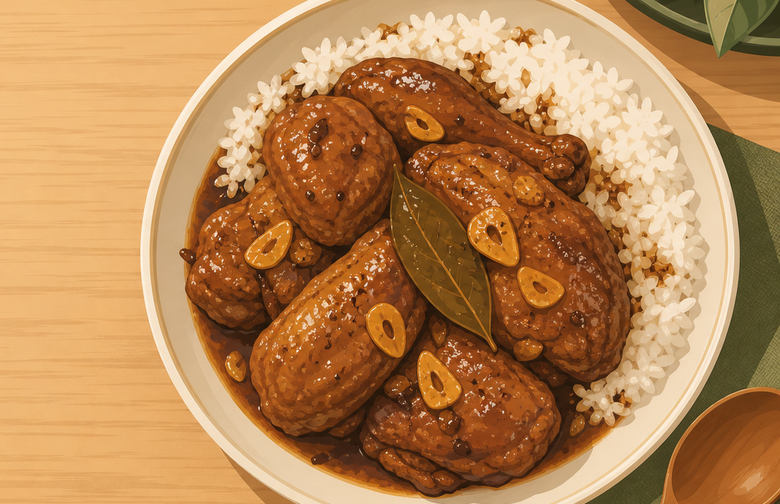
The 5-Step Recipe
Chicken adobo in five steps.
Quick Summary
Mabilis na Buod
Table of Contents
Talaan ng Nilalaman
The Classic Filipino Dish
Ang Klasikong Filipino na Ulam
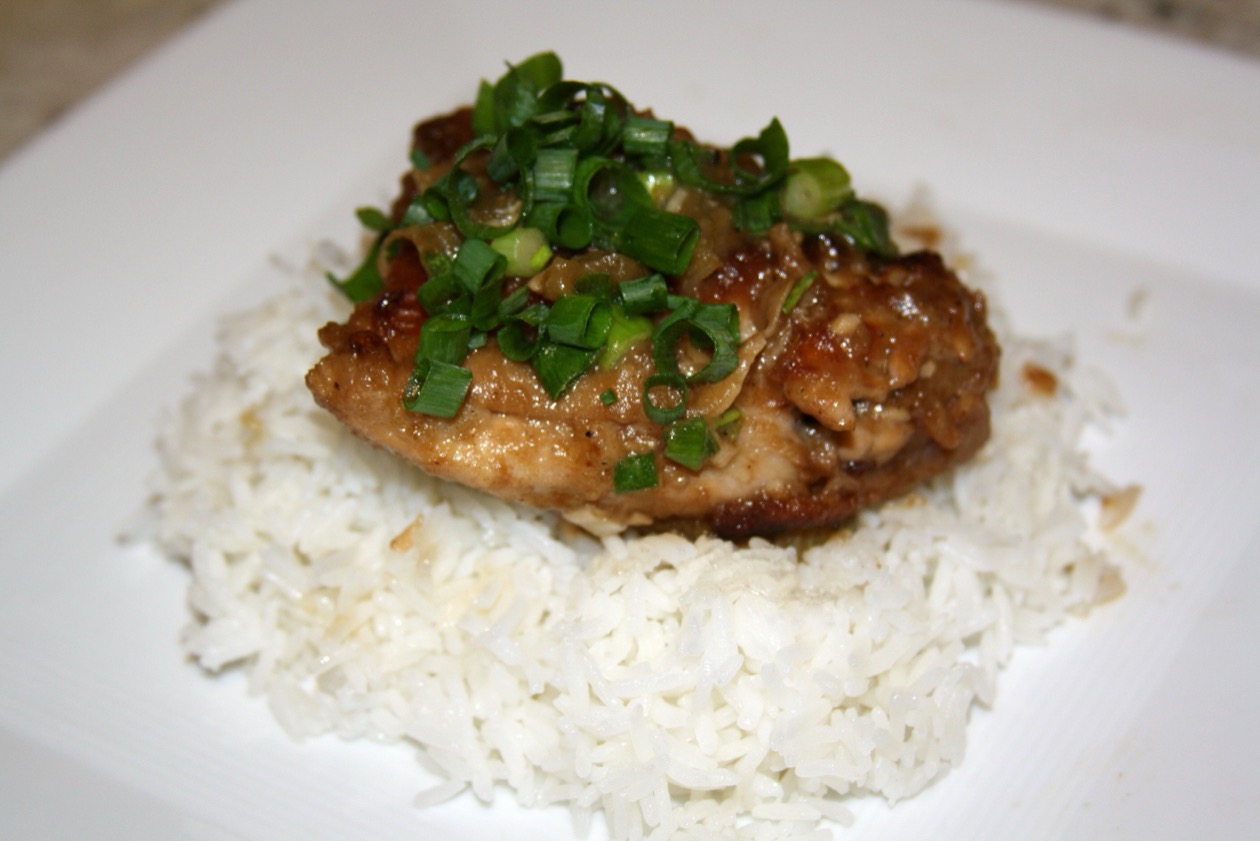
If there is one dish that every Filipino knows how to cook — or at least has strong opinions about — it is chicken adobo. It is the unofficial national dish of the Philippines, and for good reason. The combination of soy sauce, vinegar, garlic, and bay leaves creates a savory, tangy, deeply flavorful sauce that is almost impossible to mess up. Adobo is forgiving, adaptable, and nakakagutom just thinking about it.
Kung may isang ulam na alam lutuin ng bawat Pilipino — o kahit man lang may matapang na opinyon tungkol dito — ito ang adobong manok. Ito ang hindi opisyal na pambansang ulam ng Pilipinas, at may magandang dahilan. Ang kombinasyon ng toyo, suka, bawang, at dahon ng laurel ay lumilikha ng malinamnam, maasim, at malalim na lasa ng sarsa na halos imposibleng masira. Ang adobo ay mapagpatawad, flexible, at nakakagutom kahit isipin lang.
Every family has their own version — dry, saucy, with coconut milk, or with sugar. This recipe gives you the classic, traditional chicken adobo as a foundation. Adjust it to your taste.
Bawat pamilya ay may sariling bersyon — tuyo, masarsa, may gata, o may asukal. Ang recipe na ito ang klasiko at tradisyonal na adobong manok bilang pundasyon. I-adjust ayon sa iyong panlasa.
Ingredients (4-6 Servings)
Mga Sangkap (4-6 na Serbida)
- 1 kg chicken — cut into serving pieces (thighs and drumsticks work best for juicy meat)
- 1/3 cup soy sauce (toyo) — use a good Filipino brand like Silver Swan or Datu Puti
- 1/3 cup vinegar (sukang maasim) — cane vinegar is traditional; do NOT use white distilled vinegar
- 1 head garlic — peeled and crushed (yes, a whole head — hindi lang isang clove)
- 2-3 bay leaves (dahon ng laurel)
- 1 teaspoon whole black peppercorns
- 1 tablespoon cooking oil
- 1/2 cup water
- 1 tablespoon sugar (optional — some families add it, some do not)
- 1 kg manok — hiwain sa serving pieces (thighs at drumsticks ang pinakamaganda para sa juicy na karne)
- 1/3 cup toyo — gumamit ng magandang Filipino brand tulad ng Silver Swan o Datu Puti
- 1/3 cup suka (sukang maasim) — cane vinegar ang tradisyonal; HUWAG gumamit ng white distilled vinegar
- 1 buong bawang — balatan at dikdikin (oo, buong bawang — hindi lang isang clove)
- 2-3 dahon ng laurel
- 1 kutsaritang buong pamintang itim
- 1 kutsarang mantika
- 1/2 cup tubig
- 1 kutsarang asukal (opsyonal — may mga pamilyang nagdadagdag, may mga hindi)
Step-by-Step Instructions
Hakbang-hakbang na Tagubilin
-
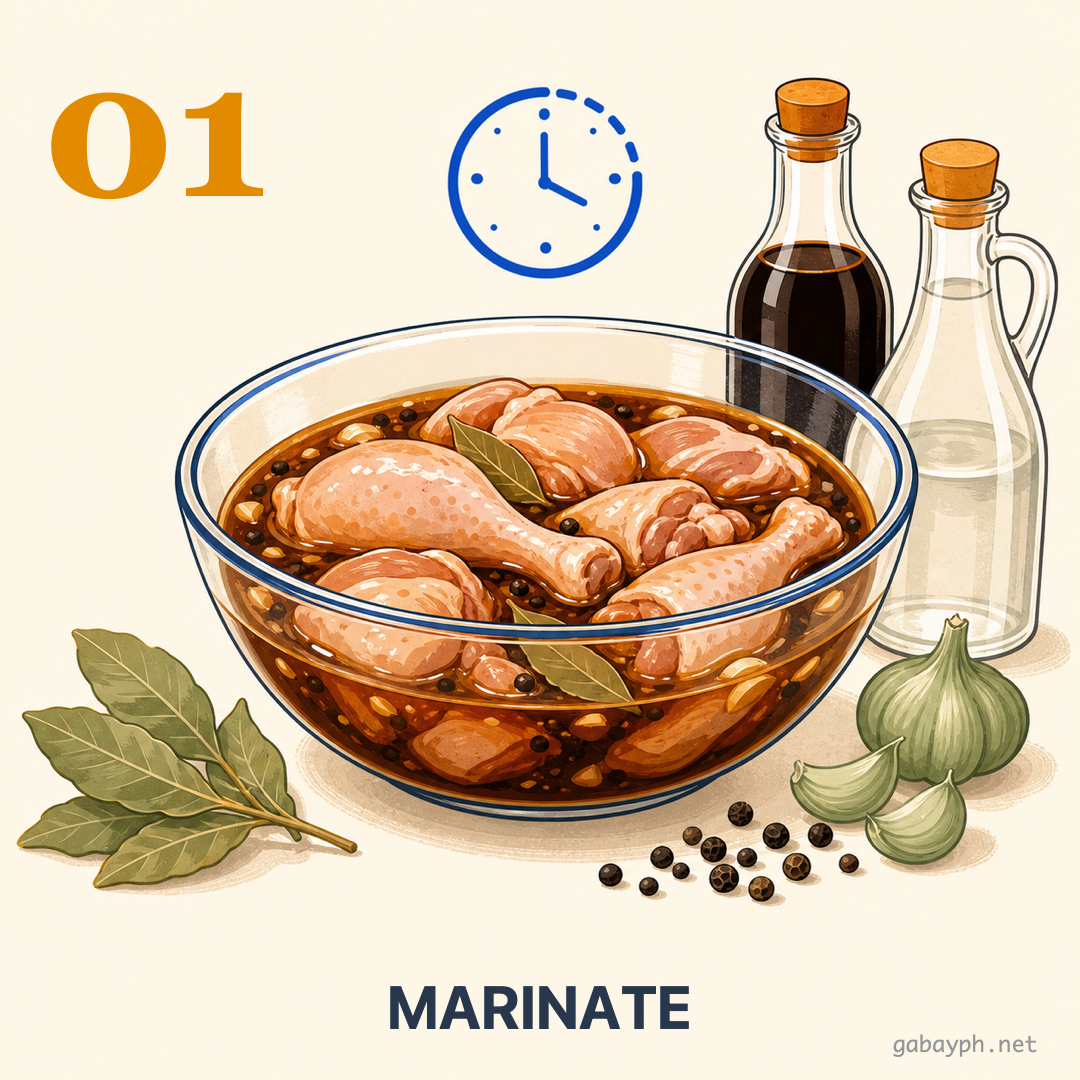
Marinate the Chicken
In a large bowl, combine the chicken pieces, soy sauce, vinegar, crushed garlic, bay leaves, and peppercorns. Mix everything together, making sure every piece of chicken is coated. Cover the bowl and let it marinate in the refrigerator for at least 30 minutes. If you have time, marinating for 1 to 3 hours gives you even better flavor.
The marination is not just for flavor — the vinegar actually starts to tenderize the chicken. Habaan mo lang ang pasensya, worth it naman sa lasa.
Important: After marinating, separate the chicken from the marinade. Set the marinade aside — you will use it later. Pat the chicken pieces dry with paper towels if you plan to sear them (which we recommend).
-
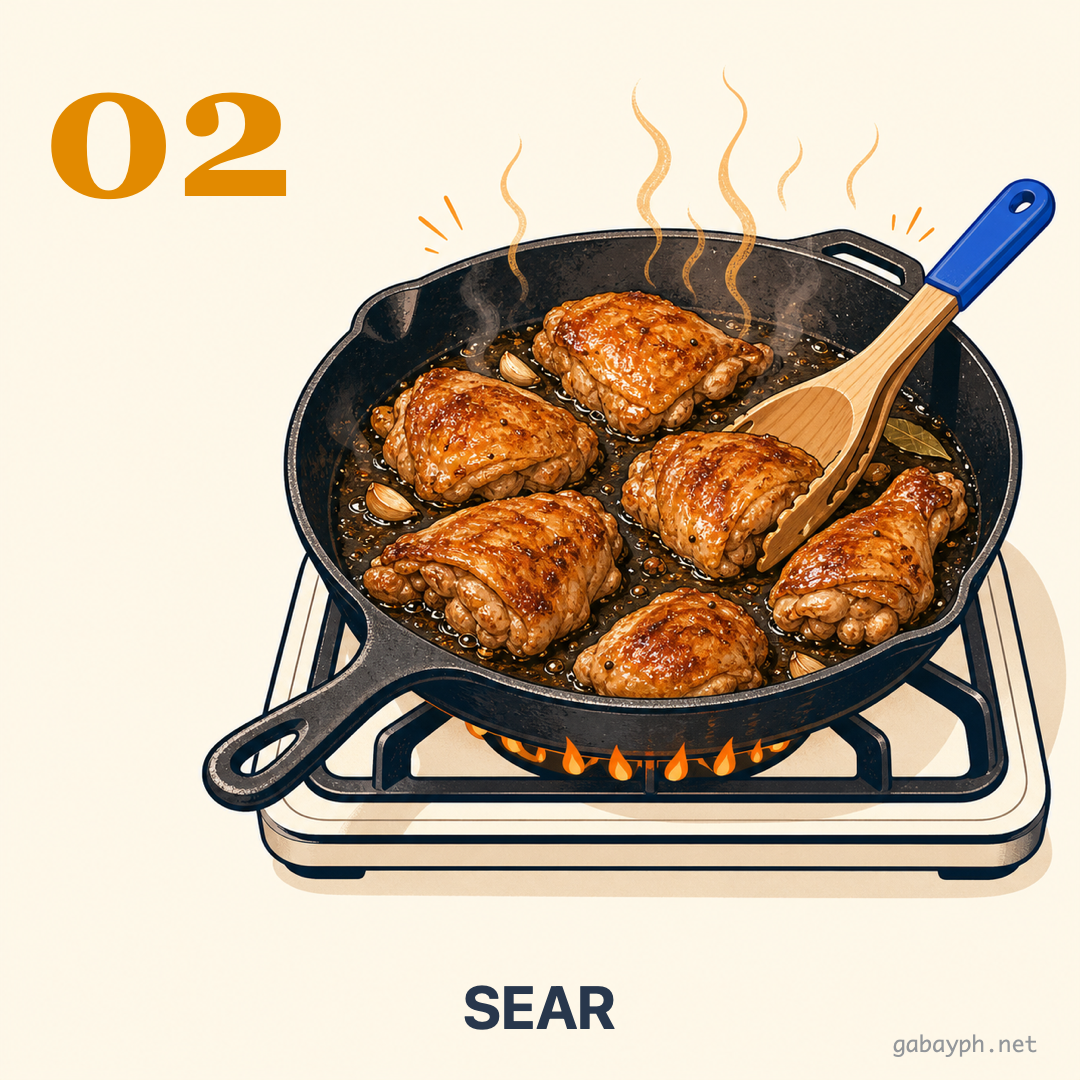
Sear the Chicken in Hot Oil
Heat 1 tablespoon of cooking oil in a heavy-bottomed pot or a large skillet (cast iron works great) over medium-high heat. When the oil is hot and shimmering, place the chicken pieces skin-side down in a single layer. Do not overcrowd the pot — cook in batches if needed.
Sear the chicken for 2 to 3 minutes per side until the skin is golden brown. You are not cooking the chicken through at this stage — just getting that beautiful sear and color. The searing adds a depth of flavor na hindi mo makukuha kung diretso luto sa sauce.
Once seared, remove the chicken from the pot and set aside. If there is a lot of oil left, pour off the excess, leaving about a tablespoon.
-
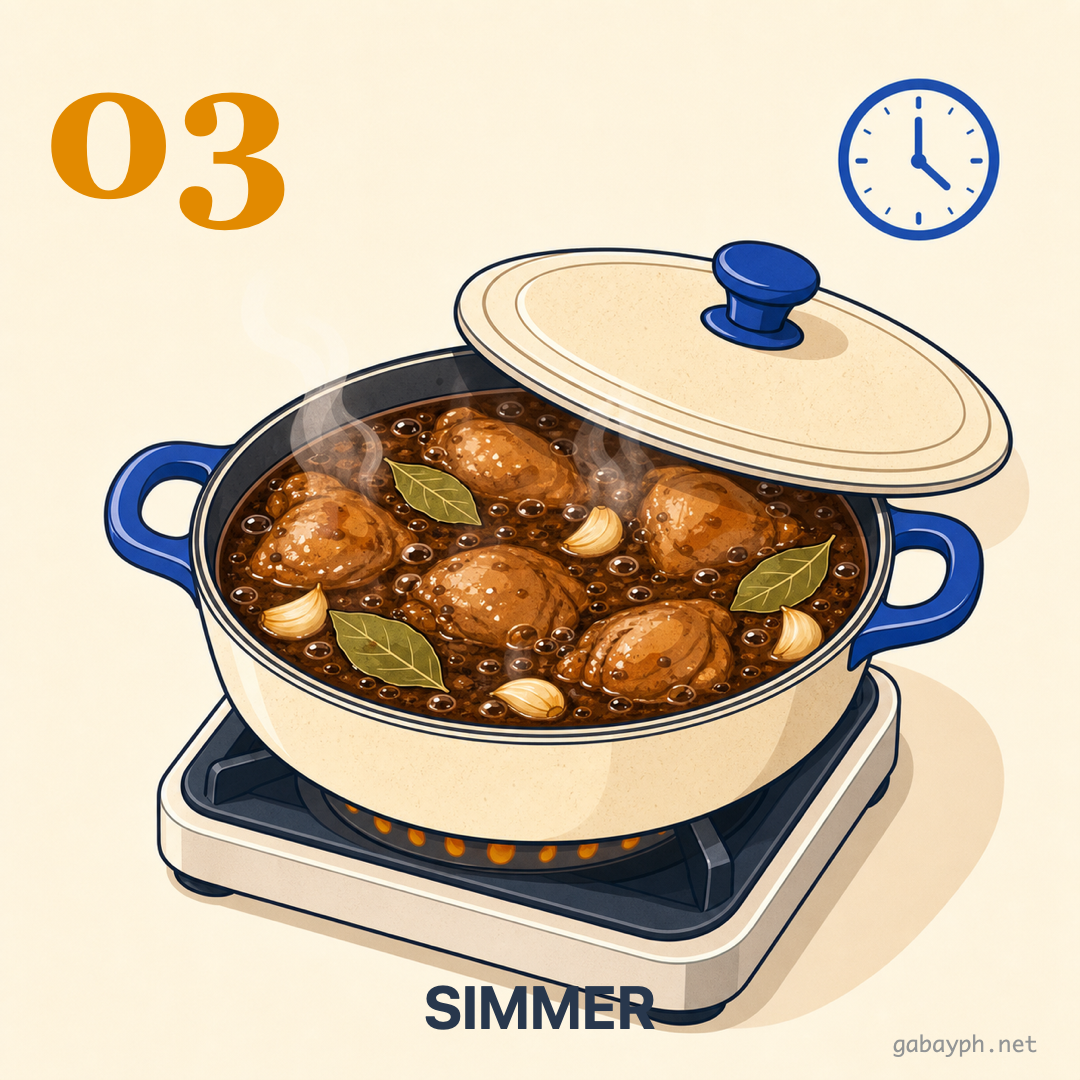
Add the Marinade and Simmer
Return the seared chicken to the pot. Pour the reserved marinade over the chicken, then add the 1/2 cup of water. The liquid should come about halfway up the chicken pieces — add a little more water if needed.
Bring the mixture to a boil over medium-high heat. Once boiling, reduce to a low simmer, cover the pot with a lid, and let it cook for 25 to 30 minutes. The chicken should be fully cooked through and very tender.
Critical rule: When you add the vinegar (as part of the marinade), do not stir the pot for the first 5 minutes. Let the vinegar come to a boil on its own. Stirring too early can make the adobo taste bitter (mapait). This is the number one mistake beginners make. Just be patient and let the vinegar cook off its raw acidity.
-
I-marinate ang Manok
Sa isang malaking mangkok, pagsamahin ang mga piraso ng manok, toyo, suka, dinurog na bawang, dahon ng laurel, at paminta. Haluin ang lahat, siguraduhing bawat piraso ng manok ay nabalubalutan. Takpan ang mangkok at hayaang mag-marinate sa refrigerator ng hindi bababa sa 30 minuto. Kung may oras ka, ang pag-marinate ng 1 hanggang 3 oras ay nagbibigay ng mas magandang lasa.
Ang pag-marinate ay hindi lang para sa lasa — ang suka ay talagang nagsisimulang maglumbot ng manok. Habaan mo lang ang pasensya, worth it naman sa lasa.
Mahalaga: Pagkatapos mag-marinate, ihiwalay ang manok sa marinade. Itabi ang marinade — gagamitin mo ito mamaya. I-pat dry ang mga piraso ng manok gamit ang paper towels kung plano mong i-sear ang mga ito (na inirerekomenda namin).
-
I-sear ang Manok sa Mainit na Mantika
Painitin ang 1 kutsarang mantika sa isang mabigat na kaldero o malaking kawali (cast iron ang pinakamaganda) sa medium-high heat. Kapag mainit na at kumikislap ang mantika, ilagay ang mga piraso ng manok na nakaharap ang balat pababa sa isang patong lang. Huwag siksikan ang kaldero — magluto nang sunud-sunod kung kailangan.
I-sear ang manok ng 2 hanggang 3 minuto bawat gilid hanggang sa gumintong kayumanggi ang balat. Hindi mo pinapakulto ng buo ang manok sa hakbang na ito — kinukuha mo lang ang magandang sear at kulay. Ang pag-sear ay nagdadagdag ng lalim ng lasa na hindi mo makukuha kung diretso luto sa sarsa.
Kapag na-sear na, alisin ang manok mula sa kaldero at itabi. Kung maraming natirang mantika, itapon ang sobra, mag-iwan ng mga isang kutsara.
-
Ibuhos ang Marinade at Pakuluan nang Dahan-dahan
Ibalik ang na-sear na manok sa kaldero. Ibuhos ang itinabiling marinade sa manok, pagkatapos ay idagdag ang 1/2 cup ng tubig. Ang likido ay dapat umabot sa kalahati ng mga piraso ng manok — dagdagan ng kaunting tubig kung kailangan.
Pakuluin ang halo sa malakas na apoy. Kapag kumukulo na, hinaan ang apoy, takpan ang kaldero, at hayaang magluto ng 25 hanggang 30 minuto. Ang manok ay dapat na ganap na luto at napaka-lambot.
Mahalagang panuntunan: Kapag naidagdag mo na ang suka (bilang bahagi ng marinade), huwag hahalawin ang kaldero sa unang 5 minuto. Hayaang kusa itong kumulo. Ang paghalo nang masyadong maaga ay maaaring gawing mapait ang adobo. Ito ang pinakakaraniwang pagkakamali ng mga nagsisimula pa lang. Magpasensya lang at hayaang magluto ang suka ng hilaw na asim nito.
-
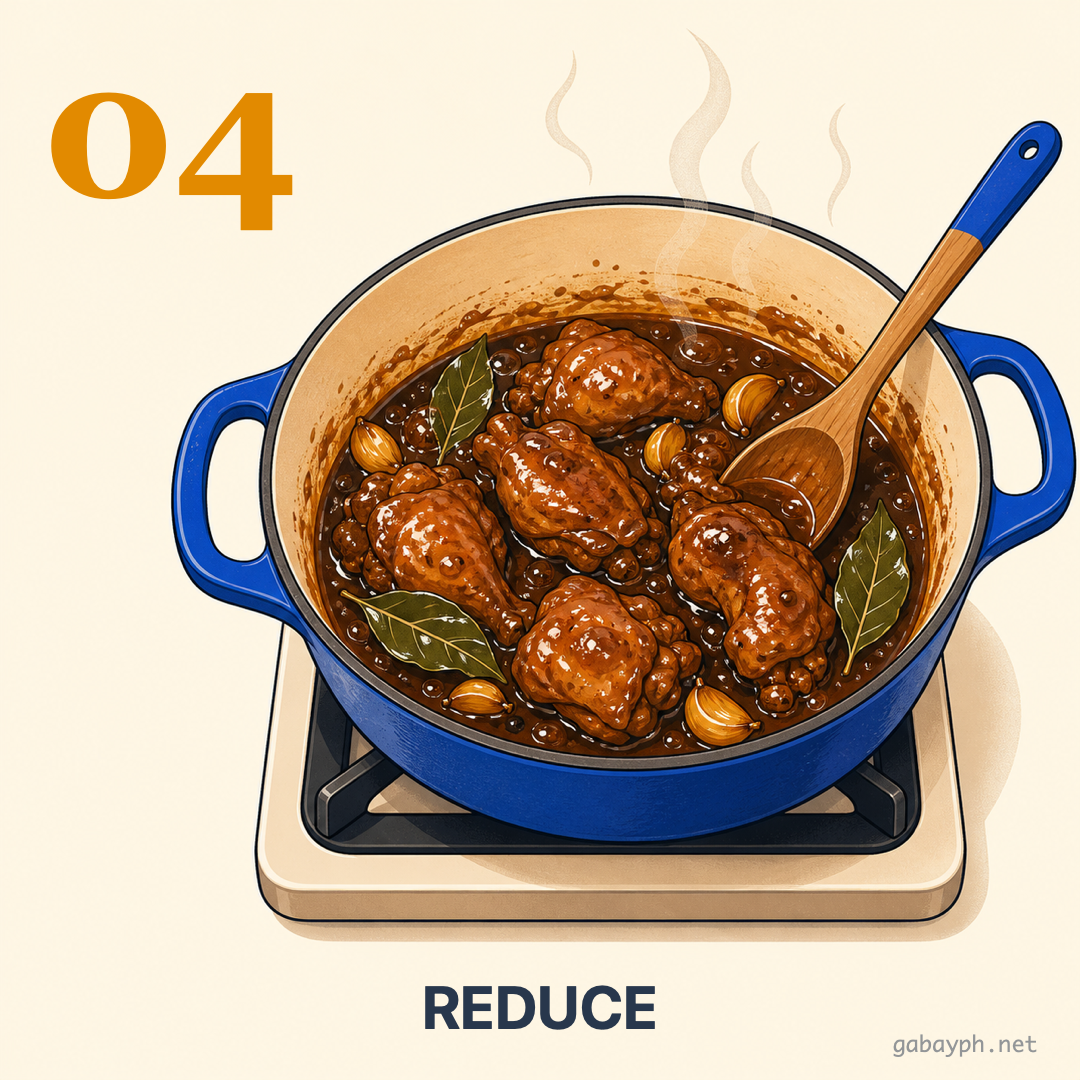
Reduce the Sauce
After the chicken is cooked through, remove the lid and increase the heat to medium. Let the sauce reduce for 8 to 12 minutes, turning the chicken pieces occasionally so they get evenly coated. The sauce should thicken and become dark, glossy, and concentrated.
This is where you decide the style of your adobo:
- Saucy adobo: Stop reducing once the sauce is slightly thickened but still pourable — perfect for pouring over a mountain of rice.
- Dry adobo (adobong tuyo): Keep cooking until the sauce is almost completely evaporated and the chicken starts to fry in the remaining oil. The chicken gets a caramelized, slightly crispy exterior. Ito yung paborito ng marami.
If you are adding sugar, add it during this reducing step — about 1 tablespoon, stirred in until dissolved. It balances the tanginess and creates a slightly sweet glaze.
-
Taste and Adjust
Taste the sauce before serving. This is the most important step na madalas nilalaktawan. Adobo is all about balance:
- Too salty? Add a splash of vinegar or a little water.
- Too sour? Add a bit more soy sauce or a pinch of sugar.
- Too bland? Simmer longer to concentrate the flavors, or add a small splash of soy sauce.
- Not garlicky enough? Fry some additional minced garlic until golden and sprinkle it on top as a garnish (garlic toppers).
Adobo is a personal dish — ang tamang lasa is whatever tastes right to you and your family.
-
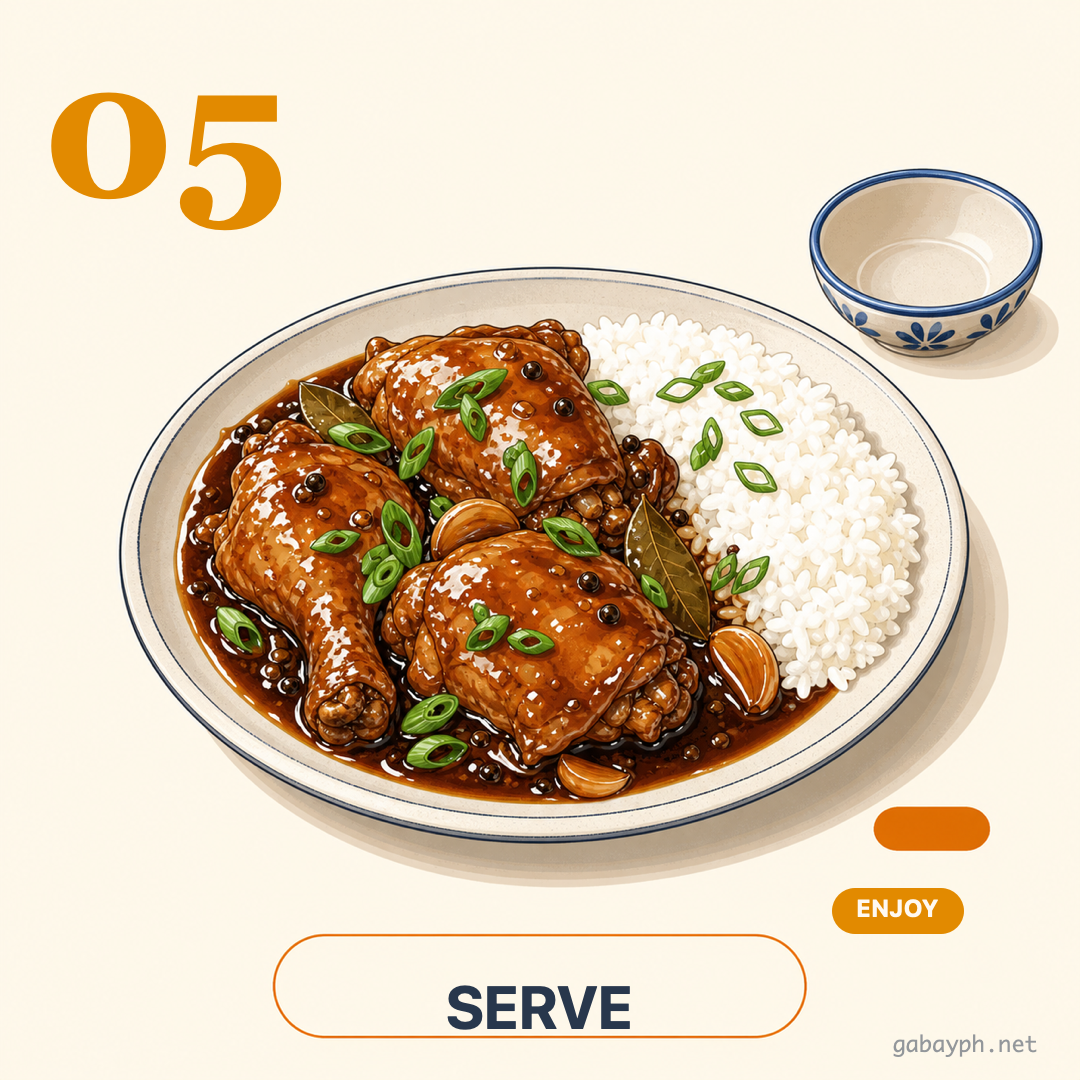
Serve Hot with Steamed Rice
Transfer the adobo to a serving plate or bowl. Spoon the sauce generously over the chicken (unless you went the dry route). Serve immediately with freshly steamed white rice — and lots of it. A good adobo deserves unlimited rice.
Optional garnishes:
- Fried garlic bits (golden and crispy)
- Sliced green onions
- Hard-boiled eggs (sliced in half, simmered in the sauce)
- A few whole dried chili peppers for a spicy kick
-
Palaputin ang Sarsa
Pagkaluto ng manok, alisin ang takip at lakasan ang apoy sa medium. Hayaang maglapot ang sarsa ng 8 hanggang 12 minuto, paminsan-minsan baligtarin ang mga piraso ng manok para pantay ang coating. Ang sarsa ay dapat lumapot at maging maitim, makintab, at concentrated.
Dito mo pipiliin ang estilo ng iyong adobo:
- Masarsang adobo: Itigil ang pag-reduce kapag medyo malapot na ang sarsa pero maaari pa ring ibuhos — perpekto para ibuhos sa bundok ng kanin.
- Adobong tuyo: Ipagpatuloy ang pagluluto hanggang sa halos mawala ang sarsa at magsimulang magprito ang manok sa natirang mantika. Nagkakaroon ang manok ng caramelized at medyo malutong na exterior. Ito yung paborito ng marami.
Kung magdadagdag ka ng asukal, idagdag ito sa panahon ng pagpapared — mga 1 kutsara, haluin hanggang matunaw. Binabalanse nito ang asim at gumagawa ng medyo matamis na glaze.
-
Tikman at I-adjust
Tikman ang sarsa bago ihain. Ito ang pinakamahalagang hakbang na madalas nilalaktawan. Ang adobo ay tungkol sa balanse:
- Masyadong maalat? Magdagdag ng kaunting suka o tubig.
- Masyadong maasim? Magdagdag ng kaunti pang toyo o kaunting asukal.
- Masyadong matabang? Patuloy na pakuluin para mas ma-concentrate ang mga lasa, o magdagdag ng kaunting toyo.
- Hindi sapat ang bawang? Mag-prito ng karagdagang giniling na bawang hanggang guminintong at ibudbod sa ibabaw bilang garnish (garlic toppers).
Ang adobo ay personal na ulam — ang tamang lasa ay kung ano ang tama sa iyo at sa iyong pamilya.
-
Ihain nang Mainit kasama ang Kanin
Ilipat ang adobo sa serving plate o mangkok. Kutsarahin ang sarsa nang sagana sa ibabaw ng manok (maliban kung ginawa mong tuyo). Ihain agad kasama ang bagong saing na kanin — at marami. Ang masarap na adobo ay nararapat sa unlimited na kanin.
Opsyonal na garnish:
- Pritong bawang (gininintong at malutong)
- Hiniwang sibuyas na mura
- Matigas na pinakuluang itlog (hiwain sa kalahati, pinakuluan sa sarsa)
- Ilang buong tuyong sili para sa maanghang na dagdag
Popular Adobo Variations
Mga Sikat na Variation ng Adobo
Once you have mastered the classic recipe, try these popular variations:
Kapag na-master mo na ang klasikong recipe, subukan ang mga sikat na variation na ito:
- Adobo sa Gata (Coconut Milk Adobo) — Add 1 cup of coconut milk (gata) during the simmering step. This creates a rich, creamy sauce that is popular in Bicol and Visayas regions. The coconut milk mellows the acidity and adds a luxurious texture. Reduce the sauce gently to avoid separating the coconut milk.
- Adobong Tuyo (Dry Adobo) — Follow the recipe as written but continue reducing the sauce until it completely evaporates. The chicken will start to fry in the oil and become crispy and caramelized. The flavor is concentrated and intense — perfect for baon (packed lunch) because there is no sauce to spill.
- Pork Adobo — Substitute pork belly (liempo) for chicken. The fatty pork belly absorbs the sauce beautifully and becomes melt-in-your-mouth tender. Use the same recipe, but increase the simmering time to 45 minutes to 1 hour since pork belly needs longer to get tender.
- Adobo with Potatoes — Add quartered potatoes during the simmering step. They absorb the adobo sauce and become incredibly flavorful. A great way to stretch the dish further for a big family.
- Spicy Adobo — Add 2 to 3 sliced siling labuyo (bird's eye chili) to the marinade. The heat balances beautifully with the sour-salty sauce.
- Adobo sa Gata — Magdagdag ng 1 cup ng gata sa panahon ng pagluluto. Gumagawa ito ng mayaman at creamy na sarsa na sikat sa Bicol at Visayas. Pinapalambot ng gata ang asim at nagdadagdag ng magandang texture. Dahan-dahang i-reduce ang sarsa para hindi maghiwalay ang gata.
- Adobong Tuyo — Sundin ang recipe tulad ng nakasulat pero ipagpatuloy ang pag-reduce ng sarsa hanggang sa ganap na mawala. Magsisimulang magprito ang manok sa mantika at magiging malutong at caramelized. Concentrated at matindi ang lasa — perpekto para sa baon dahil walang sarsang matatapon.
- Pork Adobo — Palitan ang manok ng liempo. Ang mataba na liempo ay sumisipsip ng sarsa nang maganda at nagiging sobrang lambot. Gamitin ang parehong recipe, pero dagdagan ang oras ng pagluluto sa 45 minuto hanggang 1 oras dahil mas matagal maluto ang liempo.
- Adobo na may Patatas — Magdagdag ng mga hinating patatas sa panahon ng pagluluto. Sumisipsip sila ng sarsa ng adobo at nagiging sobrang malasa. Magandang paraan para mas lumaki pa ang ulam para sa malaking pamilya.
- Spicy Adobo — Magdagdag ng 2 hanggang 3 hiwa ng siling labuyo sa marinade. Ang anghang ay maganda ang balanse sa maasim-maalat na sarsa.
Pro Tips
Mga Payo
- Use thighs and drumsticks, not breast — Dark meat stays juicy and flavorful even after long simmering. Chicken breast tends to dry out and become stringy in adobo. Mas masarap talaga ang thigh.
- Do not stir when the vinegar is first added — Let it boil undisturbed for 5 minutes. Stirring too early releases compounds that make the sauce bitter. This is the golden rule of adobo cooking.
- The soy-vinegar ratio is a starting point — 1:1 (equal parts soy sauce and vinegar) is the traditional ratio, but you should adjust to your taste. Some prefer more vinegar for a tangier adobo, others prefer more soy for a saltier, darker sauce. Experiment until you find your perfect balance.
- Adobo tastes better the next day — Like many braises, the flavors deepen overnight. If you can, cook your adobo a day ahead, refrigerate it, and reheat before serving. Ito yung secret ng mga nanay na ang sarap ng adobo nila.
- Use fresh garlic, not the pre-minced kind — A whole head of garlic gives adobo its signature aroma. The pre-minced garlic in jars does not have the same punch. Crush the cloves with the flat of your knife for the best flavor release.
- Gumamit ng thighs at drumsticks, hindi breast — Ang dark meat ay nananatiling juicy at malasa kahit matagal na pagluluto. Ang chicken breast ay madalas natutuyo at nagiging himaymay sa adobo. Mas masarap talaga ang thigh.
- Huwag hahalawin kapag kaidagdag pa lang ng suka — Hayaang kumulo nang hindi ginagalaw sa loob ng 5 minuto. Ang paghalo nang masyadong maaga ay naglalabas ng mga compound na nagpapapait sa sarsa. Ito ang ginintuang panuntunan sa pagluluto ng adobo.
- Ang ratio ng toyo at suka ay simula pa lang — 1:1 (pantay na toyo at suka) ang tradisyonal na ratio, pero dapat mong i-adjust ayon sa iyong panlasa. May mas gusto ng mas maraming suka para sa mas maasim na adobo, may mas gusto naman ng mas maraming toyo para sa mas maalat at maitim na sarsa. Mag-eksperimento hanggang mahanap mo ang perpektong balanse mo.
- Mas masarap ang adobo kinabukasan — Katulad ng maraming braises, lumalalalim ang mga lasa overnight. Kung kaya mo, lutuin ang adobo mo isang araw bago, ilagay sa refrigerator, at initin ulit bago ihain. Ito yung secret ng mga nanay na ang sarap ng adobo nila.
- Gumamit ng sariwang bawang, hindi yung pre-minced — Ang isang buong bawang ang nagbibigay sa adobo ng signature aroma nito. Ang pre-minced na bawang sa mga garapon ay walang parehong lakas. Dikdikin ang mga clove gamit ang flat ng iyong kutsilyo para sa pinakamagandang paglabas ng lasa.
Frequently Asked Questions
Mga Madalas Itanong
Which vinegar is best for adobo?
The traditional choice is sukang maasim (cane vinegar), which is the most common vinegar used in Filipino cooking. Popular brands include Datu Puti and Silver Swan. Sukang Iloco (made from sugarcane) is also excellent and gives a slightly sweeter, mellower acidity. Do not use white distilled vinegar (the clear kind used for cleaning) — it is too harsh and chemically sharp. Coconut vinegar (sukang tuba) works well too and gives a slightly different flavor profile. Whatever vinegar you choose, make sure it is meant for cooking, not cleaning.
Aling suka ang pinakamaganda para sa adobo?
Ang tradisyonal na pagpipilian ay sukang maasim (cane vinegar), na ang pinakakaraniwang suka na ginagamit sa Filipino cooking. Kabilang sa mga popular na brand ang Datu Puti at Silver Swan. Maganda rin ang sukang Iloco (gawa mula sa tubo) at nagbibigay ng medyo mas matamis at banayad na asim. Huwag gumamit ng white distilled vinegar (ang malinaw na uri na panlinis) — masyadong matapang at chemically sharp. Gumagana rin ang sukang tuba at nagbibigay ng medyo ibang flavor profile. Anuman ang piliin mong suka, siguraduhing panluto ito, hindi panlinis.
Should I marinate the chicken overnight?
You can, but it is not necessary. 30 minutes to 3 hours is the sweet spot for marination. Overnight marination (8 to 12 hours) will result in a deeper flavor and more tender meat, but the difference is not dramatic. If you are in a rush, even just 15 minutes of marination while you prep your other ingredients will make a noticeable difference compared to no marination at all. Kung may oras ka, go for 1 to 3 hours. Kung wala, 30 minutes is perfectly fine.
Dapat ko bang i-marinate ang manok overnight?
Maaari, pero hindi naman kailangan. 30 minuto hanggang 3 oras ang sweet spot para sa marination. Ang overnight na marination (8 hanggang 12 oras) ay magbibigay ng mas malalim na lasa at mas malambot na karne, pero hindi naman dramatic ang pagkakaiba. Kung nagmamadali ka, kahit 15 minuto lang na marination habang naghahanda ka ng ibang sangkap ay may mapapansing pagkakaiba kumpara sa walang marination. Kung may oras ka, go for 1 hanggang 3 oras. Kung wala, 30 minuto ay ayos na ayos na.
Can I use pork instead of chicken?
Yes. Use pork belly (liempo) with the same recipe but simmer for 45 minutes to 1 hour. See the Pork Adobo variation above for details.
Maaari ko bang gamitin ang baboy sa halip na manok?
Oo. Gumamit ng liempo gamit ang parehong recipe pero pakuluan ng 45 minuto hanggang 1 oras. Tingnan ang Pork Adobo variation sa itaas para sa detalye.
How do I make it less salty?
If your adobo is too salty, the easiest fix is to add more vinegar or water to dilute the saltiness, then simmer to let the flavors re-balance. You can also add a tablespoon of sugar to counteract the saltiness — it will not make the adobo sweet, just less salty. For next time, reduce the amount of soy sauce, or use low-sodium soy sauce. Another trick: serve the adobo with extra steamed rice, which naturally absorbs and balances the saltiness. Remember, you can always add more soy sauce later, but you cannot take it back — so start with less and adjust.
Paano ko gagawin itong mas hindi maalat?
Kung masyadong maalat ang adobo mo, ang pinakamadaling ayos ay magdagdag ng mas maraming suka o tubig para mapahina ang alat, pagkatapos ay pakuluan para muli ang balanse ng mga lasa. Maaari ka ring magdagdag ng isang kutsarang asukal para labanan ang alat — hindi nito gagawing matamis ang adobo, mas hindi lang maalat. Sa susunod, bawasan ang dami ng toyo, o gumamit ng low-sodium na toyo. Isa pang trick: ihain ang adobo na may dagdag na kanin, na natural na sumisipsip at binabalanse ang alat. Tandaan, lagi kang maaaring magdagdag ng mas maraming toyo mamaya, pero hindi mo na maaaring bawiin — kaya magsimula nang kaunti at i-adjust.
How do I store leftover adobo?
Store in an airtight container in the refrigerator for up to 5 days, or freeze for up to 3 months. The vinegar and soy sauce act as natural preservatives. Leftover tip: shred the meat and fry until crispy for adobo flakes — perfect with sinangag and a fried egg.
Paano ko itatago ang natira mong adobo?
Itago sa airtight na lalagyan sa refrigerator nang hanggang 5 araw, o i-freeze nang hanggang 3 buwan. Ang suka at toyo ay nagsisilbing natural na preservatives. Leftover tip: hilahin ang karne at iprito hanggang malutong para sa adobo flakes — perpekto sa sinangag at pritong itlog.