

How to Understand Your Payslip: Salary Deductions Explained (2026)
Paano Maintindihan ang Iyong Payslip: Mga Salary Deduction na Ipinaliwanag (2026)

5 Things to Know
Payslip deductions in five facts.
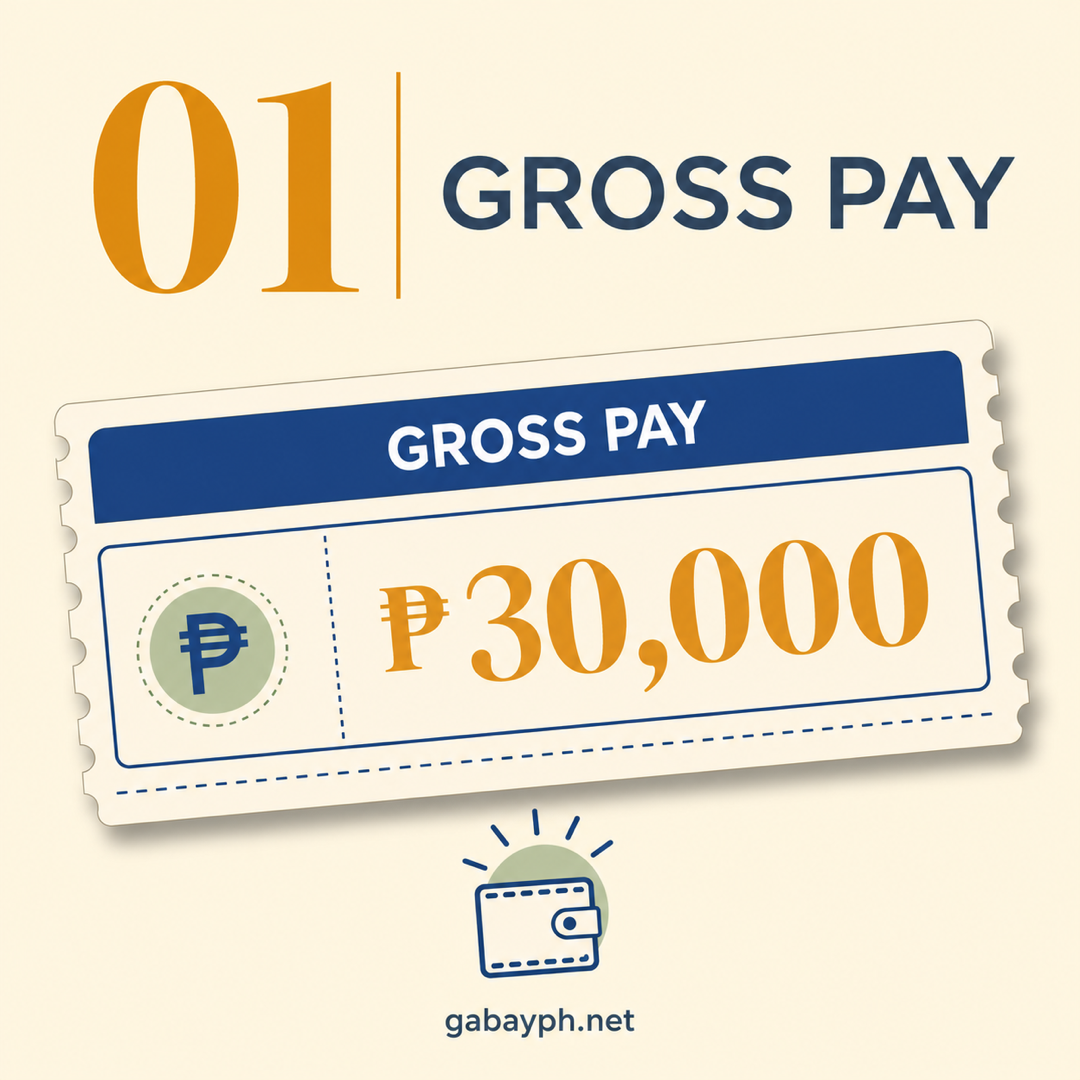
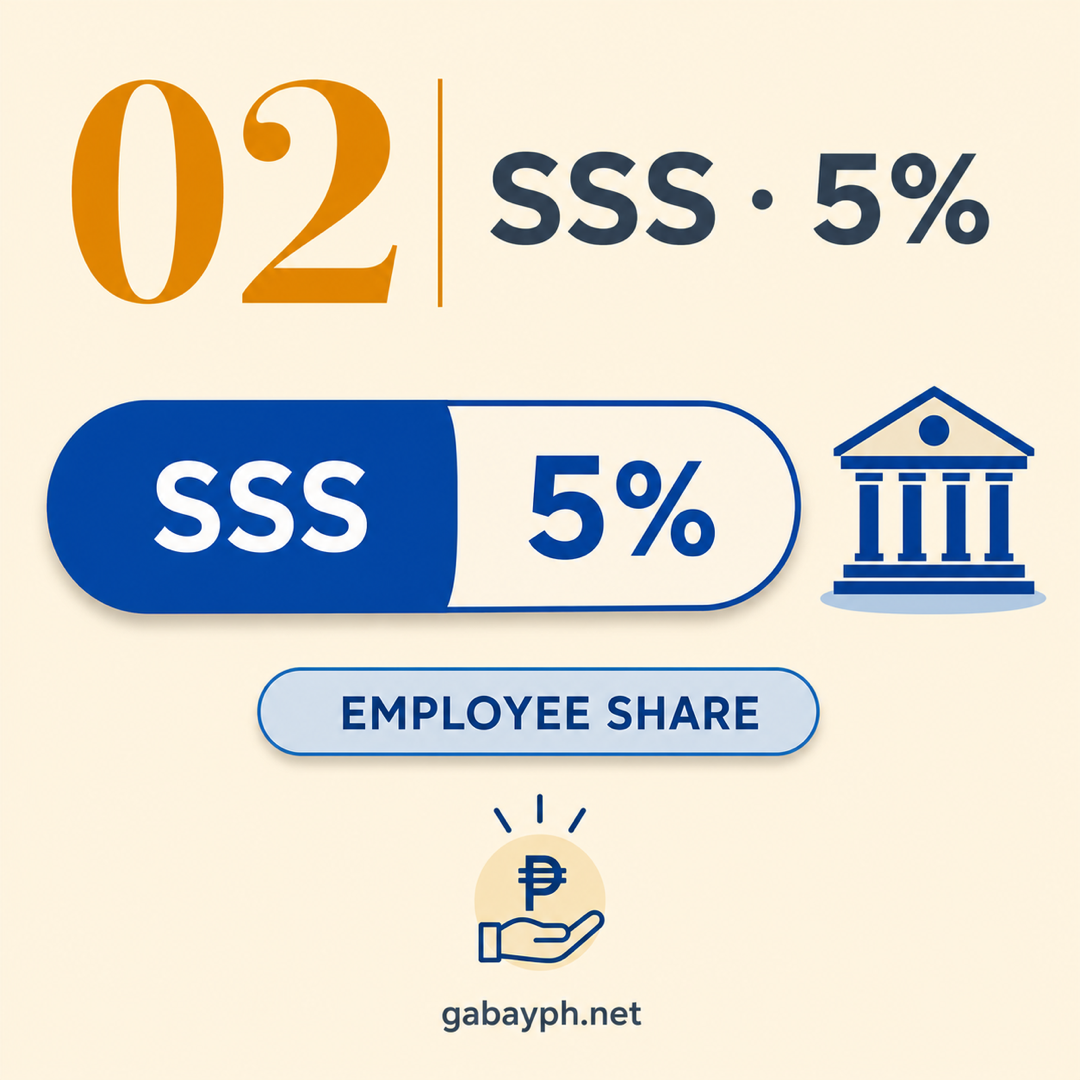
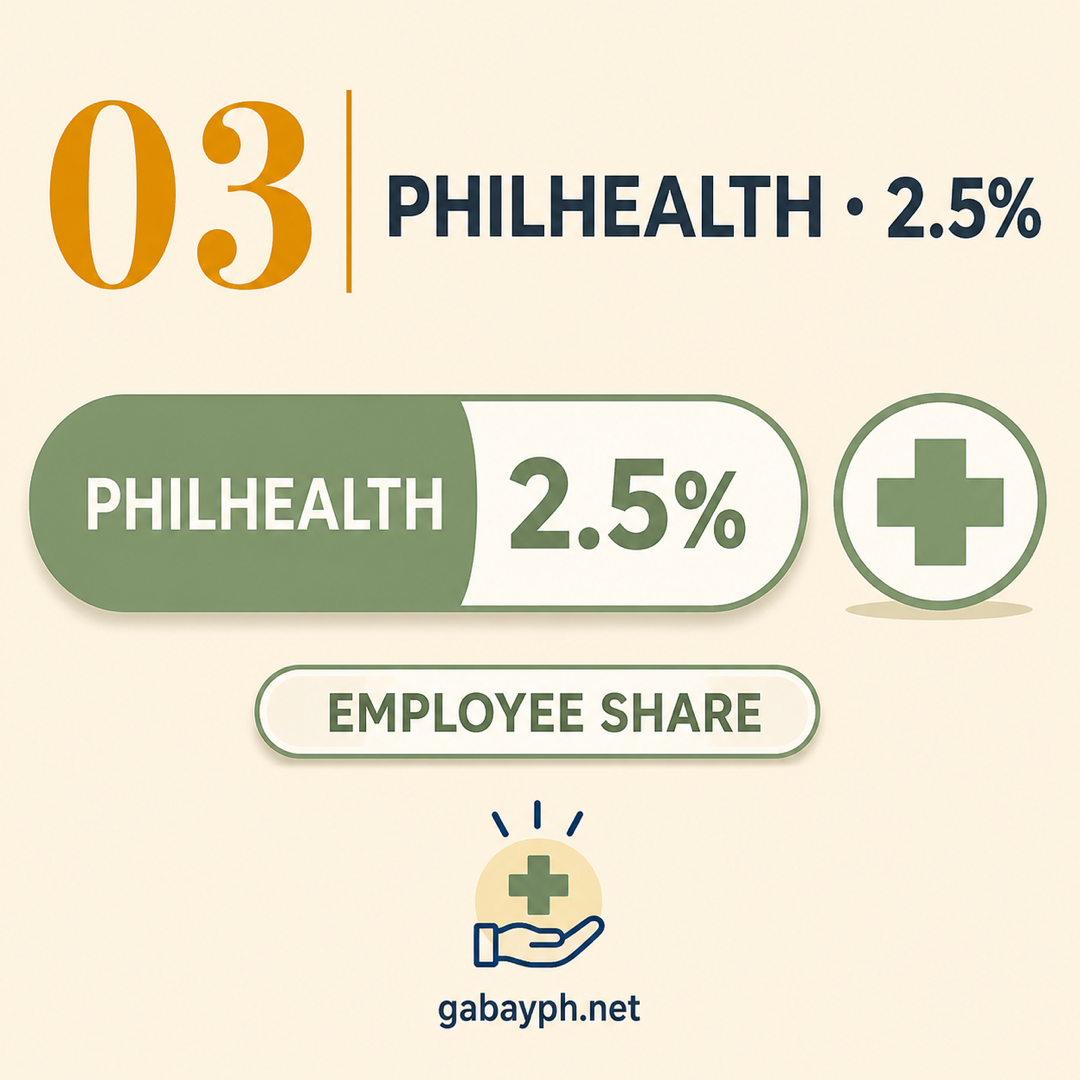

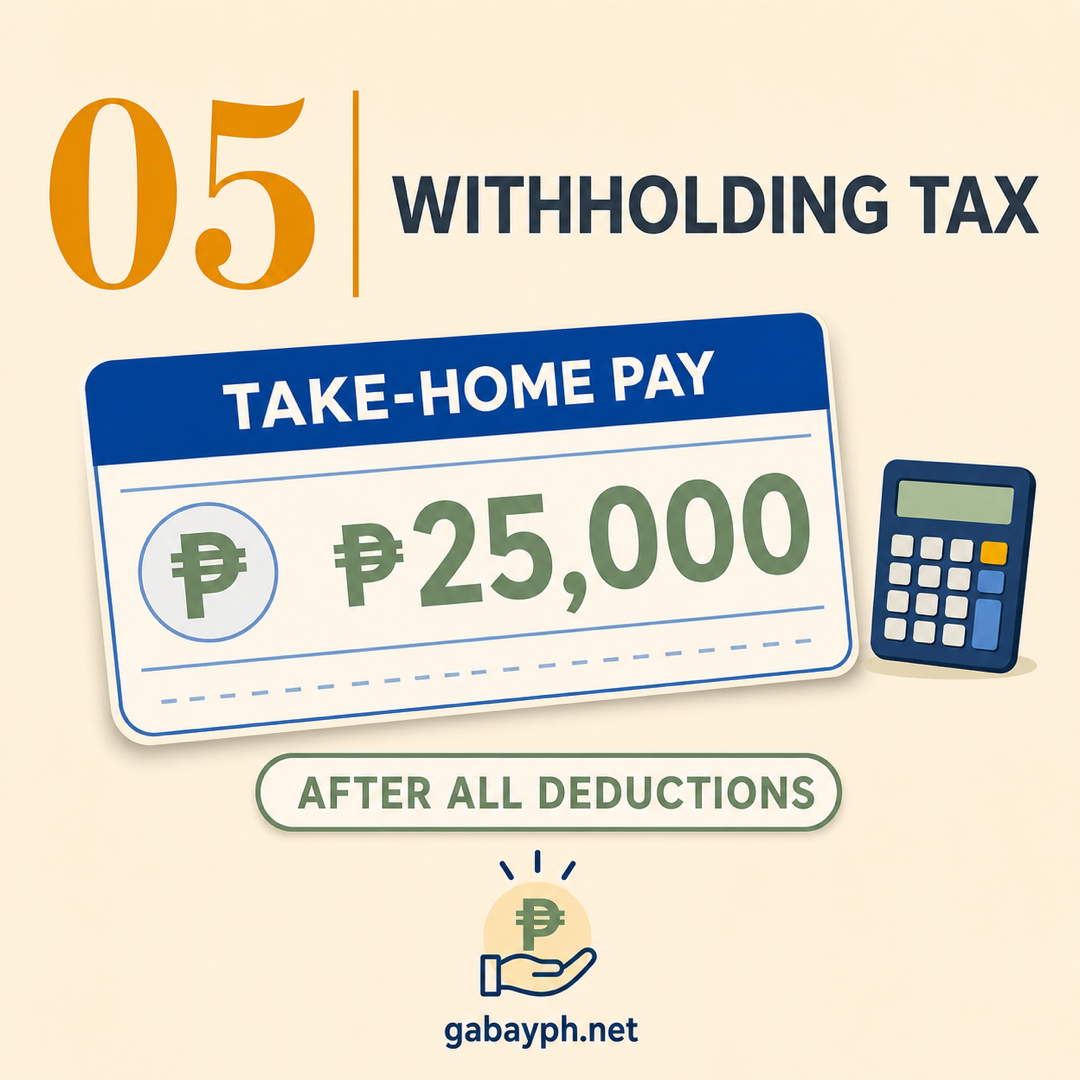
Quick Summary
Mabilis na Buod
Important Disclaimer
This guide is for educational purposes only and does not constitute financial or tax advice. Individual circumstances vary. Consult a licensed financial advisor or tax professional for personalized guidance.
Mahalagang Disclaimer
Ang gabay na ito ay para sa layuning pang-edukasyon lamang at hindi bumubuo ng financial o tax advice. Iba-iba ang sitwasyon ng bawat tao. Kumonsulta sa isang lisensyadong financial advisor o tax professional para sa personalized na gabay.
Table of Contents
- Gross Pay vs. Net Pay (Take-Home)
- Anatomy of a Philippine Payslip
- What You Need to Check Your Deductions
- Step-by-Step: How to Read Your Payslip
- SSS Deduction Explained
- PhilHealth Deduction Explained
- Pag-IBIG Deduction Explained
- Withholding Tax Computation
- Sample Payslip Breakdown (₱15K / ₱25K / ₱40K)
- 13th Month Pay
- How to Verify Employer Contributions
- Pro Tips
- Frequently Asked Questions
Talaan ng Nilalaman
- Gross Pay vs. Net Pay (Take-Home)
- Anatomy ng Philippine Payslip
- Mga Kakailanganin Mo para I-check ang Deductions
- Hakbang-Hakbang: Paano Basahin ang Payslip Mo
- SSS Deduction na Ipinaliwanag
- PhilHealth Deduction na Ipinaliwanag
- Pag-IBIG Deduction na Ipinaliwanag
- Pagkalkula ng Withholding Tax
- Sample Payslip Breakdown (₱15K / ₱25K / ₱40K)
- 13th Month Pay
- Paano I-verify ang Contributions ng Employer
- Mga Payo
- Mga Madalas Itanong

Gross Pay vs. Net Pay: What's the Difference?
Gross Pay vs. Net Pay: Ano ang Pagkakaiba?
The most important thing to understand about your payslip is the difference between what you earn and what you actually receive:
- Gross Pay (Basic Salary) — This is your total salary before any deductions. It's the amount stated in your employment contract. If your employer says "₱25,000 per month," this is your gross pay.
- Net Pay (Take-Home Pay) — This is what you actually receive in your bank account after all mandatory deductions (SSS, PhilHealth, Pag-IBIG, and withholding tax). It's always lower than your gross pay.
Example: If your monthly gross salary is ₱25,000, your take-home pay will be approximately ₱21,500 to ₱22,000 after all deductions (about 12-14%). Those deductions fund your healthcare, retirement, and housing.
Ang pinakamahalagang bagay na dapat maunawaan tungkol sa payslip mo ay ang pagkakaiba sa pagitan ng kinikita mo at ang talagang natatanggap mo:
- Gross Pay (Basic Salary) — Ito ang kabuuang sweldo mo bago ang anumang mga kaltas. Ito ang halagang nakasaad sa employment contract mo. Kung sabi ng employer mo "₱25,000 bawat buwan," ito ang gross pay mo.
- Net Pay (Take-Home Pay) — Ito ang talagang natatanggap mo sa bank account mo pagkatapos ng lahat ng mandatory deductions (SSS, PhilHealth, Pag-IBIG, at withholding tax). Palagi itong mas mababa kaysa sa gross pay mo.
Halimbawa: Kung ang buwanang gross salary mo ay ₱25,000, ang take-home pay mo ay magiging humigit-kumulang ₱21,500 hanggang ₱22,000 pagkatapos ng lahat ng deductions (mga 12-14%). Pinopondo ng mga kaltas na iyon ang healthcare, retirement, at housing mo.
Anatomy of a Philippine Payslip
Anatomy ng Philippine Payslip
A typical Filipino payslip has these sections:
Earnings (Top Section)
- Basic Pay — Your base salary for the pay period (usually semi-monthly: 1st-15th and 16th-end of month)
- Overtime Pay — Extra pay for hours worked beyond 8 hours/day (minimum 25% premium on regular days, 30% on rest days)
- Holiday Pay — Premium pay for working on regular or special holidays
- Night Differential — Extra 10% for work done between 10:00 PM and 6:00 AM
- Allowances — Transportation, meal, rice, communication allowances (may or may not be taxable)
Deductions (Middle Section)
- SSS Contribution — Social Security System (employee share)
- PhilHealth Contribution — Health insurance (employee share)
- Pag-IBIG Contribution — Home Development Mutual Fund (employee share)
- Withholding Tax — Income tax withheld by employer
- Loans/Cash Advances — SSS loan, Pag-IBIG loan, company loan deductions (if applicable)
- Other Deductions — Union dues, company-specific deductions (healthcare upgrades, etc.)
Summary (Bottom Section)
- Total Earnings — Sum of all pay items
- Total Deductions — Sum of all deductions
- Net Pay — Total Earnings minus Total Deductions = what you take home
Ang karaniwang Pilipino payslip ay may mga ganito na seksyon:
Mga Kita (Itaas na Seksyon)
- Basic Pay — Ang base salary mo para sa pay period (karaniwang semi-monthly: ika-1 hanggang ika-15 at ika-16 hanggang katapusan ng buwan)
- Overtime Pay — Dagdag na bayad para sa oras na nagtrabaho nang lampas sa 8 oras/araw (minimum 25% premium sa regular days, 30% sa rest days)
- Holiday Pay — Premium pay para sa pagtatrabaho sa regular o special holidays
- Night Differential — Dagdag na 10% para sa trabaho na ginawa sa pagitan ng 10:00 PM at 6:00 AM
- Allowances — Transportation, meal, rice, communication allowances (maaaring taxable o hindi)
Mga Kaltas (Gitna na Seksyon)
- SSS Contribution — Social Security System (bahagi ng empleyado)
- PhilHealth Contribution — Health insurance (bahagi ng empleyado)
- Pag-IBIG Contribution — Home Development Mutual Fund (bahagi ng empleyado)
- Withholding Tax — Income tax na kinaltas ng employer
- Loans/Cash Advances — SSS loan, Pag-IBIG loan, company loan deductions (kung applicable)
- Iba Pang Mga Kaltas — Union dues, company-specific deductions (healthcare upgrades, atbp.)
Buod (Ibaba na Seksyon)
- Total Earnings — Kabuuan ng lahat ng kita
- Total Deductions — Kabuuan ng lahat ng kaltas
- Net Pay — Total Earnings minus Total Deductions = ang naiuuwi mo
What You Need to Check Your Deductions
- Your latest payslip — Physical or digital copy from your employer's HR/payroll system
- SSS number — To verify contributions on the MySSS portal (see our SSS guide)
- PhilHealth number — To verify on the PhilHealth Member Portal (see our PhilHealth guide)
- Pag-IBIG MID number — To verify on Virtual Pag-IBIG (see our Pag-IBIG guide)
Mga Kakailanganin Mo para I-check ang Deductions
- Pinakabagong payslip mo — Physical o digital na kopya mula sa HR/payroll system ng employer mo
- SSS number — Para i-verify ang contributions sa MySSS portal (tingnan ang aming SSS guide)
- PhilHealth number — Para i-verify sa PhilHealth Member Portal (tingnan ang aming PhilHealth guide)
- Pag-IBIG MID number — Para i-verify sa Virtual Pag-IBIG (tingnan ang aming Pag-IBIG guide)
Step-by-Step: How to Read Your Payslip
Hakbang-Hakbang: Paano Basahin ang Payslip Mo
-
Check Your Gross Pay
Start with the earnings section at the top of your payslip. Verify that your basic pay matches your employment contract. If you're paid semi-monthly (twice a month), your basic pay per payslip should be your monthly salary divided by 2. For example, if your monthly salary is ₱25,000, each payslip should show ₱12,500 as basic pay.
Also check if overtime, holiday pay, and allowances are correctly computed. Overtime should be at least 125% of your hourly rate on regular days.
-
Verify Each Mandatory Deduction
Look at the deductions section and check each one against the official contribution tables (detailed in the sections below). The four mandatory deductions are:
- SSS — Based on a contribution table with salary brackets
- PhilHealth — 5% of basic monthly salary (split 50/50 between you and employer)
- Pag-IBIG — Usually ₱200/month for most employees (can be higher voluntarily)
- Withholding Tax — Based on the BIR tax table and your taxable income
If any deduction looks wrong, don't panic — it might be a rounding issue or a mid-year rate change. Document it and ask HR.
-
Calculate Your Expected Net Pay
Once you've verified each deduction, do the math yourself:
Net Pay = Total Earnings - (SSS + PhilHealth + Pag-IBIG + Withholding Tax + Other Deductions)
Compare your calculated net pay with what's shown on the payslip and what was deposited in your bank account. They should all match. If there's a discrepancy, raise it with your HR or payroll department immediately.
-
I-check ang Gross Pay Mo
Magsimula sa earnings section sa itaas ng payslip mo. I-verify na ang basic pay mo ay tugma sa employment contract mo. Kung binabayaran ka nang semi-monthly (dalawang beses sa isang buwan), ang basic pay mo sa bawat payslip ay dapat ang buwanang sweldo mo na hinati sa 2. Halimbawa, kung ang buwanang sweldo mo ay ₱25,000, dapat ipakita ng bawat payslip ang ₱12,500 bilang basic pay.
I-check din kung tama ang computation ng overtime, holiday pay, at allowances. Ang overtime ay dapat hindi bababa sa 125% ng hourly rate mo sa regular days.
-
I-verify ang Bawat Mandatory Deduction
Tingnan ang deductions section at i-check ang bawat isa laban sa opisyal na contribution tables (detalyado sa mga seksyon sa ibaba). Ang apat na mandatory deductions ay:
- SSS — Batay sa contribution table na may salary brackets
- PhilHealth — 5% ng basic monthly salary (hinati ng 50/50 sa pagitan mo at ng employer)
- Pag-IBIG — Karaniwang ₱200/buwan para sa karamihan ng empleyado (pwedeng mas mataas nang voluntary)
- Withholding Tax — Batay sa BIR tax table at taxable income mo
Kung may deduction na mukhang mali, huwag mag-panic — maaaring rounding issue ito o mid-year rate change. I-document at itanong sa HR.
-
Kalkulahin ang Inaasahang Net Pay Mo
Kapag na-verify mo na ang bawat deduction, gawin ang math sa sarili mo:
Net Pay = Total Earnings - (SSS + PhilHealth + Pag-IBIG + Withholding Tax + Iba Pang Kaltas)
Ihambing ang na-calculate mong net pay sa kung ano ang ipinapakita sa payslip at kung ano ang nai-deposit sa bank account mo. Dapat lahat ay magkatugma. Kung may discrepancy, itaas ito sa HR o payroll department mo kaagad.
SSS Deduction Explained
SSS Deduction na Ipinaliwanag
Your SSS (Social Security System) contribution is based on your Monthly Salary Credit (MSC), which is determined by your actual monthly salary. The total contribution rate is 15% of MSC, split between you (5%) and your employer (10%). Under RA 11199 (Social Security Act of 2018), the rate has been gradually increasing.
2026 SSS Contribution Table (Selected Brackets)
| Monthly Salary | MSC | Employee Share (5%) | Employer Share (10%) | SS Total (15%) |
|---|---|---|---|---|
| ₱5,000 - ₱5,249 | ₱5,000 | ₱250.00 | ₱500.00 | ₱750.00 |
| ₱10,000 - ₱10,249 | ₱10,000 | ₱500.00 | ₱1,000.00 | ₱1,500.00 |
| ₱15,000 - ₱15,749 | ₱15,000 | ₱750.00 | ₱1,500.00 | ₱2,250.00 |
| ₱20,000 - ₱20,249 | ₱20,000 | ₱1,000.00 | ₱2,000.00 | ₱3,000.00 |
| ₱25,000 - ₱25,749 | ₱25,000 | ₱1,250.00 | ₱2,500.00 | ₱3,750.00 |
| ₱30,000 - ₱34,999 | ₱30,000 | ₱1,500.00 | ₱3,000.00 | ₱4,500.00 |
| ₱35,000 and above | ₱35,000 | ₱1,750.00 | ₱3,500.00 | ₱5,250.00 |
Note: This is a simplified table. The full SSS contribution table has more salary brackets. The maximum MSC cap has been increasing yearly under RA 11199. Check the SSS guide for more details. For your payslip, the employee share column is what gets deducted from your salary — your employer pays the rest on top of your salary. The "SS Total (15%)" column is the SSS pension contribution (your 5% + employer's 10%); on top of this, your employer also pays a small Employees' Compensation (EC) premium of ₱10–₱30 — it is not part of the 15% and is never deducted from you.
Ang SSS (Social Security System) contribution mo ay batay sa iyong Monthly Salary Credit (MSC), na tinutukoy ng aktwal mong buwanang sweldo. Ang kabuuang contribution rate ay 15% ng MSC, hinati sa pagitan mo (5%) at ng employer mo (10%). Sa ilalim ng RA 11199 (Social Security Act of 2018), ang rate ay unti-unting tumataas.
2026 SSS Contribution Table (Mga Piling Bracket)
| Buwanang Sweldo | MSC | Bahagi ng Empleyado (5%) | Bahagi ng Employer (10%) | Kabuuan SS (15%) |
|---|---|---|---|---|
| ₱5,000 - ₱5,249 | ₱5,000 | ₱250.00 | ₱500.00 | ₱750.00 |
| ₱10,000 - ₱10,249 | ₱10,000 | ₱500.00 | ₱1,000.00 | ₱1,500.00 |
| ₱15,000 - ₱15,749 | ₱15,000 | ₱750.00 | ₱1,500.00 | ₱2,250.00 |
| ₱20,000 - ₱20,249 | ₱20,000 | ₱1,000.00 | ₱2,000.00 | ₱3,000.00 |
| ₱25,000 - ₱25,749 | ₱25,000 | ₱1,250.00 | ₱2,500.00 | ₱3,750.00 |
| ₱30,000 - ₱34,999 | ₱30,000 | ₱1,500.00 | ₱3,000.00 | ₱4,500.00 |
| ₱35,000 pataas | ₱35,000 | ₱1,750.00 | ₱3,500.00 | ₱5,250.00 |
Paalala: Ito ay pinasimpleng talahanayan. Ang buong SSS contribution table ay may mas maraming salary brackets. Ang maximum MSC cap ay tumataas taun-taon sa ilalim ng RA 11199. I-check ang SSS guide para sa karagdagang detalye. Para sa payslip mo, ang bahagi ng empleyado na kolum ang kinakaltasan sa sweldo mo — binabayaran ng employer mo ang natitira sa ibabaw ng sweldo mo. Ang "Kabuuan SS (15%)" na kolum ay ang SSS pension contribution (5% mo + 10% ng employer); bukod dito, nagbabayad din ang employer mo ng maliit na Employees' Compensation (EC) na ₱10–₱30 — hindi ito kasama sa 15% at hindi kailanman kinakaltas sa iyo.
PhilHealth Deduction Explained
PhilHealth Deduction na Ipinaliwanag
PhilHealth contribution is simpler to compute. Under the Universal Health Care Act (RA 11223), the premium rate for 2026 is 5% of your basic monthly salary, shared equally between you and your employer.
How It Works
- Rate: 5% of basic monthly salary
- Your share: 2.5% (deducted from your pay)
- Employer's share: 2.5% (paid by employer)
- Salary floor: ₱10,000 (minimum salary base for computation)
- Salary ceiling: ₱100,000 (maximum salary base for computation)
Examples
| Monthly Salary | Total Premium (5%) | Your Share (2.5%) | Employer Share (2.5%) |
|---|---|---|---|
| ₱15,000 | ₱750.00 | ₱375.00 | ₱375.00 |
| ₱25,000 | ₱1,250.00 | ₱625.00 | ₱625.00 |
| ₱40,000 | ₱2,000.00 | ₱1,000.00 | ₱1,000.00 |
For more details on PhilHealth coverage and benefits, see our PhilHealth registration guide.
Ang PhilHealth contribution ay mas simpleng kalkulahin. Sa ilalim ng Universal Health Care Act (RA 11223), ang premium rate para sa 2026 ay 5% ng basic monthly salary mo, hinati nang pantay sa pagitan mo at ng employer mo.
Paano Gumagana
- Rate: 5% ng basic monthly salary
- Bahagi mo: 2.5% (kinaltas mula sa pay mo)
- Bahagi ng employer: 2.5% (binabayaran ng employer)
- Salary floor: ₱10,000 (minimum na salary base para sa computation)
- Salary ceiling: ₱100,000 (maximum na salary base para sa computation)
Mga Halimbawa
| Buwanang Sweldo | Kabuuang Premium (5%) | Bahagi Mo (2.5%) | Bahagi ng Employer (2.5%) |
|---|---|---|---|
| ₱15,000 | ₱750.00 | ₱375.00 | ₱375.00 |
| ₱25,000 | ₱1,250.00 | ₱625.00 | ₱625.00 |
| ₱40,000 | ₱2,000.00 | ₱1,000.00 | ₱1,000.00 |
Para sa karagdagang detalye sa PhilHealth coverage at mga benepisyo, tingnan ang aming PhilHealth registration guide.
Pag-IBIG Deduction Explained
Pag-IBIG Deduction na Ipinaliwanag
Pag-IBIG (HDMF) has the simplest contribution structure among the three. The mandatory contribution is based on your monthly salary:
- If your salary is ₱1,500 and below: Employee share = 1% of salary, Employer share = 2% of salary
- If your salary is over ₱1,500: Employee share = 2% of salary, Employer share = 2% of salary
- Maximum monthly salary base: ₱10,000 (meaning the maximum mandatory contribution is ₱200 for the employee and ₱200 for the employer = ₱400 total)
For most employees earning more than ₱10,000/month (which is almost everyone), the deduction is a flat ₱200 per month. This is the smallest of the three mandatory deductions.
Voluntary additional contribution: You can choose to contribute more than the mandatory ₱200 to boost your Pag-IBIG savings. Some employees contribute up to ₱5,000/month or more. This earns dividends (historically 5-7% per year) and increases your Pag-IBIG loan eligibility. Talk to your HR if you want to increase your contribution.
For more details on Pag-IBIG benefits and the MP2 savings program, see our Pag-IBIG guide.
Ang Pag-IBIG (HDMF) ay may pinakasimpleng contribution structure sa tatlo. Ang mandatory contribution ay batay sa buwanang sweldo mo:
- Kung ang sweldo mo ay ₱1,500 pababa: Bahagi ng empleyado = 1% ng sweldo, Bahagi ng employer = 2% ng sweldo
- Kung ang sweldo mo ay higit sa ₱1,500: Bahagi ng empleyado = 2% ng sweldo, Bahagi ng employer = 2% ng sweldo
- Maximum na buwanang salary base: ₱10,000 (ibig sabihin ang maximum mandatory contribution ay ₱200 para sa empleyado at ₱200 para sa employer = ₱400 kabuuan)
Para sa karamihan ng empleyadong kumikita ng higit sa ₱10,000/buwan (na halos lahat), ang kaltas ay flat na ₱200 bawat buwan. Ito ang pinakamaliit sa tatlong mandatory deductions.
Voluntary additional contribution: Pwede kang pumiling mag-contribute ng higit pa sa mandatory na ₱200 para palakihin ang Pag-IBIG savings mo. Ang ibang empleyado ay nag-co-contribute ng hanggang ₱5,000/buwan o higit pa. Kumikita ito ng dividends (historically 5-7% bawat taon) at pinapataas ang eligibility mo para sa Pag-IBIG loan. Kausapin ang HR mo kung gusto mong taasan ang contribution mo.
Para sa karagdagang detalye sa Pag-IBIG benefits at MP2 savings program, tingnan ang aming Pag-IBIG guide.
Withholding Tax Computation
Pagkalkula ng Withholding Tax
Withholding tax is the income tax your employer deducts and remits to the BIR on your behalf. Under the TRAIN Law (RA 10963) and subsequent amendments, the Philippine income tax rates for individuals are progressive — meaning the more you earn, the higher the percentage.
How Taxable Income is Computed
Taxable Income = Gross Salary - (SSS + PhilHealth + Pag-IBIG contributions)
Your mandatory contributions are tax-deductible, which means they reduce the amount of income that gets taxed. This is why your tax computation starts after subtracting these deductions.
2026 Annual Income Tax Table
| Annual Taxable Income | Tax Rate |
|---|---|
| ₱0 - ₱250,000 | 0% (exempt) |
| ₱250,001 - ₱400,000 | 15% of amount over ₱250,000 |
| ₱400,001 - ₱800,000 | ₱22,500 + 20% of amount over ₱400,000 |
| ₱800,001 - ₱2,000,000 | ₱102,500 + 25% of amount over ₱800,000 |
| ₱2,000,001 - ₱8,000,000 | ₱402,500 + 30% of amount over ₱2,000,000 |
| Over ₱8,000,000 | ₱2,202,500 + 35% of amount over ₱8,000,000 |
Good news for minimum wage earners: If you earn the minimum wage in your region, you are 100% exempt from income tax — no withholding tax at all, regardless of how much you earn in overtime or holiday pay (as long as it's computed based on the minimum wage).
TRAIN Law highlight: Those earning ₱250,000 annually or less (about ₱20,833/month) are completely tax-exempt. This means if your monthly gross salary is ₱20,833 or below, you should see ₱0 withholding tax on your payslip.
Ang withholding tax ay ang income tax na kinaltas ng employer mo at ipinapadala sa BIR sa ngalan mo. Sa ilalim ng TRAIN Law (RA 10963) at mga kasunod na amendments, ang Philippine income tax rates para sa mga indibidwal ay progressive — ibig sabihin, mas mataas ang kita mo, mas mataas ang porsyento.
Paano Kinakalkula ang Taxable Income
Taxable Income = Gross Salary - (SSS + PhilHealth + Pag-IBIG contributions)
Ang mandatory contributions mo ay tax-deductible, ibig sabihin binabawasan nila ang halaga ng kita na binu-buwisan. Kaya ang tax computation mo ay nagsisimula pagkatapos ibawas ang mga deductions na ito.
2026 Annual Income Tax Table
| Taunang Taxable Income | Tax Rate |
|---|---|
| ₱0 - ₱250,000 | 0% (exempt) |
| ₱250,001 - ₱400,000 | 15% ng halaga na lampas sa ₱250,000 |
| ₱400,001 - ₱800,000 | ₱22,500 + 20% ng halaga na lampas sa ₱400,000 |
| ₱800,001 - ₱2,000,000 | ₱102,500 + 25% ng halaga na lampas sa ₱800,000 |
| ₱2,000,001 - ₱8,000,000 | ₱402,500 + 30% ng halaga na lampas sa ₱2,000,000 |
| Higit sa ₱8,000,000 | ₱2,202,500 + 35% ng halaga na lampas sa ₱8,000,000 |
Magandang balita para sa minimum wage earners: Kung kumikita ka ng minimum wage sa region mo, 100% exempted ka mula sa income tax — walang withholding tax, anuman ang kinikita mo sa overtime o holiday pay (basta kinakalkula ito batay sa minimum wage).
TRAIN Law highlight: Ang mga kumikita ng ₱250,000 taunang o mas mababa (mga ₱20,833/buwan) ay ganap na tax-exempt. Ibig sabihin, kung ang buwanang gross salary mo ay ₱20,833 o mas mababa, dapat makakita ka ng ₱0 withholding tax sa payslip mo.
Sample Payslip Breakdown: ₱15K / ₱25K / ₱40K
Sample Payslip Breakdown: ₱15K / ₱25K / ₱40K
Let's do the math for three common salary levels so you can compare with your own payslip. All computations assume no overtime, no allowances, and no other deductions beyond the 4 mandatory ones.
₱15,000/month Gross Salary
| Gross Salary | ₱15,000.00 |
| SSS (Employee Share) | - ₱750.00 |
| PhilHealth (Employee Share, 2.5%) | - ₱375.00 |
| Pag-IBIG (Employee Share) | - ₱200.00 |
| Taxable Income (monthly) | ₱13,675.00 |
| Taxable Income (annual: ₱13,675 x 12) | ₱164,100.00 |
| Withholding Tax | - ₱0.00 (below ₱250K threshold) |
| Net Pay (Take-Home) | ₱13,675.00 |
Result: ₱1,325 total deductions (8.8% of gross). No income tax because annual taxable income is below ₱250,000.
₱25,000/month Gross Salary
| Gross Salary | ₱25,000.00 |
| SSS (Employee Share) | - ₱1,250.00 |
| PhilHealth (Employee Share, 2.5%) | - ₱625.00 |
| Pag-IBIG (Employee Share) | - ₱200.00 |
| Taxable Income (monthly) | ₱22,925.00 |
| Taxable Income (annual: ₱22,925 x 12) | ₱275,100.00 |
| Annual Tax: 15% of (₱275,100 - ₱250,000) | ₱3,765.00/year |
| Withholding Tax (monthly: ₱3,765 / 12) | - ₱313.75 |
| Net Pay (Take-Home) | ₱22,611.25 |
Result: ₱2,388.75 total deductions (9.6% of gross). Small income tax because just slightly above ₱250K annual threshold.
₱40,000/month Gross Salary
| Gross Salary | ₱40,000.00 |
| SSS (Employee Share, capped at ₱35K MSC) | - ₱1,750.00 |
| PhilHealth (Employee Share, 2.5%) | - ₱1,000.00 |
| Pag-IBIG (Employee Share) | - ₱200.00 |
| Taxable Income (monthly) | ₱37,050.00 |
| Taxable Income (annual: ₱37,050 x 12) | ₱444,600.00 |
| Annual Tax: ₱22,500 + 20% of (₱444,600 - ₱400,000) | ₱31,420.00/year |
| Withholding Tax (monthly: ₱31,420 / 12) | - ₱2,618.33 |
| Net Pay (Take-Home) | ₱34,431.67 |
Result: ₱5,568.33 total deductions (13.9% of gross). Higher deductions because of the progressive tax rate and higher SSS/PhilHealth contributions.
Key takeaway: The more you earn, the higher percentage goes to deductions — mainly due to income tax. But remember, these deductions fund your social security, health insurance, housing fund, and public services.
Gawin natin ang math para sa tatlong karaniwang salary levels para maihambing mo sa sarili mong payslip. Lahat ng computation ay nag-a-assume na walang overtime, walang allowances, at walang ibang deductions maliban sa 4 na mandatory.
₱15,000/buwan na Gross Salary
| Gross Salary | ₱15,000.00 |
| SSS (Bahagi ng Empleyado) | - ₱750.00 |
| PhilHealth (Bahagi ng Empleyado, 2.5%) | - ₱375.00 |
| Pag-IBIG (Bahagi ng Empleyado) | - ₱200.00 |
| Withholding Tax | - ₱0.00 (mababa sa ₱250K threshold) |
| Net Pay (Take-Home) | ₱13,675.00 |
Resulta: ₱1,325 kabuuang deductions (8.8% ng gross). Walang income tax dahil ang taunang taxable income ay mababa sa ₱250,000.
₱25,000/buwan na Gross Salary
| Gross Salary | ₱25,000.00 |
| SSS (Bahagi ng Empleyado) | - ₱1,250.00 |
| PhilHealth (Bahagi ng Empleyado, 2.5%) | - ₱625.00 |
| Pag-IBIG (Bahagi ng Empleyado) | - ₱200.00 |
| Withholding Tax (buwanan) | - ₱313.75 |
| Net Pay (Take-Home) | ₱22,611.25 |
Resulta: ₱2,388.75 kabuuang deductions (9.6% ng gross). Maliit na income tax dahil bahagyang lampas sa ₱250K annual threshold.
₱40,000/buwan na Gross Salary
| Gross Salary | ₱40,000.00 |
| SSS (Bahagi ng Empleyado, capped sa ₱35K MSC) | - ₱1,750.00 |
| PhilHealth (Bahagi ng Empleyado, 2.5%) | - ₱1,000.00 |
| Pag-IBIG (Bahagi ng Empleyado) | - ₱200.00 |
| Withholding Tax (buwanan) | - ₱2,618.33 |
| Net Pay (Take-Home) | ₱34,431.67 |
Resulta: ₱5,568.33 kabuuang deductions (13.9% ng gross). Mas mataas ang deductions dahil sa progressive tax rate at mas mataas na SSS/PhilHealth contributions.
Pangunahing takeaway: Mas malaki ang kita mo, mas mataas na porsyento ang napupunta sa deductions — pangunahin dahil sa income tax. Pero tandaan, ang mga deductions na ito ay nagpo-pondo ng social security, health insurance, housing fund, at mga public services mo.
13th Month Pay
13th Month Pay
The 13th month pay is a mandatory benefit under PD 851 for all rank-and-file employees in the Philippines. Here's what you need to know:
How It's Computed
13th Month Pay = Total Basic Salary Earned During the Year / 12
Only your basic salary is included — overtime, holiday pay, allowances, and other bonuses are NOT part of the computation.
Key Rules
- Deadline: Must be paid on or before December 24 of every year
- Minimum amount: Must be at least 1/12 of total basic salary earned during the year
- Tax-exempt up to ₱90,000: Under the TRAIN Law, the first ₱90,000 of 13th month pay and other bonuses combined is tax-free. Only the excess is taxable.
- Pro-rated for new employees: If you started mid-year, your 13th month pay is computed based on the months you actually worked
- All rank-and-file employees qualify: Including those with fixed salaries, project-based workers, and probationary employees
Example
If you earned ₱25,000/month basic salary for all 12 months: ₱25,000 x 12 / 12 = ₱25,000 (13th month pay). If you started in July and worked 6 months: ₱25,000 x 6 / 12 = ₱12,500.
Ang 13th month pay ay mandatory benefit sa ilalim ng PD 851 para sa lahat ng rank-and-file employees sa Pilipinas. Narito ang kailangan mong malaman:
Paano Kinakalkula
13th Month Pay = Kabuuang Basic Salary na Kinita sa Buong Taon / 12
Ang basic salary lang ang kasama — hindi kasama ang overtime, holiday pay, allowances, at iba pang bonuses sa computation.
Mga Pangunahing Panuntunan
- Deadline: Dapat bayaran sa o bago ang Disyembre 24 ng bawat taon
- Minimum na halaga: Dapat hindi bababa sa 1/12 ng kabuuang basic salary na kinita sa taon
- Tax-exempt hanggang ₱90,000: Sa ilalim ng TRAIN Law, ang unang ₱90,000 ng 13th month pay at iba pang bonuses na pinagsama ay walang buwis. Ang excess lang ang taxable.
- Pro-rated para sa bagong empleyado: Kung nagsimula ka sa gitna ng taon, ang 13th month pay mo ay kinakalkula batay sa mga buwan na aktwal kang nagtrabaho
- Lahat ng rank-and-file employees ay kwalipikado: Kasama ang mga may fixed salaries, project-based workers, at probationary employees
Halimbawa
Kung kumita ka ng ₱25,000/buwan na basic salary sa buong 12 buwan: ₱25,000 x 12 / 12 = ₱25,000 (13th month pay). Kung nagsimula ka noong Hulyo at nagtrabaho ng 6 na buwan: ₱25,000 x 6 / 12 = ₱12,500.
How to Verify Your Employer Is Remitting Contributions
Paano I-verify na Nireremit ng Employer Mo ang Contributions
This is critical. Some employers deduct contributions from your salary but fail to remit them to SSS, PhilHealth, or Pag-IBIG. This is illegal and can affect your benefits. Here's how to check:
Check SSS Contributions
- Go to member.sss.gov.ph (My.SSS portal)
- Log in with your SSS number and password
- Click "Contribution" > "Contributions" to see your payment history
- Verify that each month shows the correct contribution amount and your employer's name
- Check for any gaps — missing months mean your employer didn't remit
For more details, see our SSS guide.
Check PhilHealth Contributions
- Go to member.philhealth.gov.ph
- Log in with your PhilHealth number
- View your contribution history and verify monthly payments
For more details, see our PhilHealth guide.
Check Pag-IBIG Contributions
- Go to pagibigfundonline.com (Virtual Pag-IBIG)
- Log in with your MID number
- Click "Contribution" > "Contribution History"
- Verify that your employer is listed and contributions are posted monthly
For more details, see our Pag-IBIG guide.
What to Do If Contributions Are Missing
- Talk to your HR/payroll department first — sometimes it's just a processing delay (1-2 months behind is normal)
- Document everything — screenshot your payslips showing the deduction and the portal showing missing contributions
- If employer is non-compliant: File a complaint with the respective agency (SSS, PhilHealth, or Pag-IBIG). You can also report to DOLE.
- Non-remittance is a criminal offense — employers face fines and imprisonment under RA 11199 (SSS), RA 11223 (PhilHealth), and RA 9679 (Pag-IBIG)
Ito ay napakahalaga. Ang ibang employer ay kumakaltad ng contributions mula sa sweldo mo pero hindi nireremit sa SSS, PhilHealth, o Pag-IBIG. Ito ay iligal at maaaring makaapekto sa mga benepisyo mo. Narito kung paano i-check:
I-check ang SSS Contributions
- Pumunta sa member.sss.gov.ph (My.SSS portal)
- Mag-log in gamit ang SSS number at password mo
- I-click ang "Contribution" > "Contributions" para makita ang payment history mo
- I-verify na ang bawat buwan ay nagpapakita ng tamang contribution amount at pangalan ng employer mo
- I-check kung may gaps — ang nawawalang mga buwan ay nangangahulugang hindi nag-remit ang employer mo
Para sa karagdagang detalye, tingnan ang aming SSS guide.
I-check ang PhilHealth Contributions
- Pumunta sa member.philhealth.gov.ph
- Mag-log in gamit ang PhilHealth number mo
- Tingnan ang contribution history mo at i-verify ang buwanang mga bayad
Para sa karagdagang detalye, tingnan ang aming PhilHealth guide.
I-check ang Pag-IBIG Contributions
- Pumunta sa pagibigfundonline.com (Virtual Pag-IBIG)
- Mag-log in gamit ang MID number mo
- I-click ang "Contribution" > "Contribution History"
- I-verify na nakalista ang employer mo at ang contributions ay naipo-post buwanan
Para sa karagdagang detalye, tingnan ang aming Pag-IBIG guide.
Ano ang Gagawin Kung Nawawala ang Contributions
- Kausapin muna ang HR/payroll department mo — minsan processing delay lang ito (1-2 buwan na delay ay normal)
- I-document ang lahat — i-screenshot ang mga payslip mo na nagpapakita ng kaltas at ang portal na nagpapakita ng nawawalang contributions
- Kung non-compliant ang employer: Mag-file ng complaint sa kaukulang ahensya (SSS, PhilHealth, o Pag-IBIG). Pwede ka ring mag-report sa DOLE.
- Ang non-remittance ay isang criminal offense — ang mga employer ay naghaharap ng multa at pagkakulong sa ilalim ng RA 11199 (SSS), RA 11223 (PhilHealth), at RA 9679 (Pag-IBIG)
Pro Tips
Mga Payo
- Keep all your payslips — whether physical or digital. You may need them for loan applications, rental agreements, visa applications, or disputes. Save at least 3 years' worth.
- Check your contributions every quarter — don't wait until you need to file a claim. Set a calendar reminder every 3 months to verify SSS, PhilHealth, and Pag-IBIG portals.
- Understand your BIR Form 2316 — your employer should give you this at the end of the year (or when you resign). It summarizes your total compensation, deductions, and taxes for the year. Keep it for tax filing purposes.
- Ask about non-taxable allowances — some benefits like rice subsidy (up to ₱2,000/month), medical allowances, and uniform allowances may be non-taxable under certain conditions, lowering your overall tax.
- Maximize your Pag-IBIG MP2 — if you have extra budget, increasing your Pag-IBIG contribution or opening an MP2 savings account earns 5-7% dividends — much better than a regular savings account.
- Report payslip discrepancies immediately — the longer you wait, the harder it becomes to resolve. Document everything in writing (email your HR) so there's a paper trail.
- Itago ang lahat ng payslips mo — physical man o digital. Maaaring kailanganin mo sila para sa loan applications, rental agreements, visa applications, o disputes. Mag-save ng hindi bababa sa 3 taon na halaga.
- I-check ang contributions mo tuwing quarter — huwag hintayin na kailanganin mong mag-file ng claim. Mag-set ng calendar reminder tuwing 3 buwan para i-verify ang SSS, PhilHealth, at Pag-IBIG portals.
- Maintindihan ang BIR Form 2316 mo — dapat ibigay ito sa iyo ng employer mo sa katapusan ng taon (o kapag nag-resign ka). Ito ang buod ng total compensation, deductions, at taxes mo para sa taon. Itago ito para sa tax filing purposes.
- Magtanong tungkol sa non-taxable allowances — ang ibang benefits tulad ng rice subsidy (hanggang ₱2,000/buwan), medical allowances, at uniform allowances ay maaaring non-taxable sa ilalim ng ilang kondisyon, na nagpapababa ng kabuuang buwis mo.
- I-maximize ang Pag-IBIG MP2 mo — kung may dagdag na budget ka, ang pagtaas ng Pag-IBIG contribution o pagbubukas ng MP2 savings account ay kumikita ng 5-7% dividends — mas maganda kaysa sa regular savings account.
- I-report kaagad ang mga payslip discrepancies — mas matagal kang maghintay, mas mahirap itong i-resolve. I-document ang lahat sa sulat (mag-email sa HR mo) para may paper trail.
Frequently Asked Questions
Mga Madalas Itanong
Why is my take-home pay so much lower than my gross salary?
Your gross salary is reduced by four mandatory deductions: SSS (social security), PhilHealth (health insurance), Pag-IBIG (housing fund), and withholding tax (income tax). Together, these typically take 8% to 25% of your gross salary, depending on your income level. While it can feel like a lot, these deductions fund your healthcare coverage, retirement pension, housing loan eligibility, and public services. Employees earning ₱20,833/month or less pay no income tax thanks to the TRAIN Law.
Bakit ang layo ng take-home pay ko sa gross salary ko?
Ang gross salary mo ay binawasan ng apat na mandatory deductions: SSS (social security), PhilHealth (health insurance), Pag-IBIG (housing fund), at withholding tax (income tax). Sama-sama, karaniwang kumukuha ang mga ito ng 8% hanggang 25% ng gross salary mo, depende sa income level mo. Bagama't mukhang malaki ito, ang mga kaltas na ito ay nagpo-pondo ng healthcare coverage, retirement pension, housing loan eligibility, at mga public services mo. Ang mga empleyadong kumikita ng ₱20,833/buwan o mas mababa ay walang income tax salamat sa TRAIN Law.
Is my employer required to give me a payslip?
Yes. Under the Labor Code of the Philippines (Article 103) and DOLE regulations, employers are required to provide employees with a written pay slip or pay record showing the breakdown of earnings and deductions for each pay period. If your employer doesn't provide payslips, you can file a complaint with your nearest DOLE office. Many companies now provide digital payslips through HR portals or email.
Obligado ba ang employer ko na bigyan ako ng payslip?
Oo. Sa ilalim ng Labor Code of the Philippines (Article 103) at mga regulasyon ng DOLE, ang mga employer ay obligadong magbigay sa mga empleyado ng nakasulat na pay slip o pay record na nagpapakita ng breakdown ng mga kita at kaltas para sa bawat pay period. Kung hindi nagbibigay ng payslips ang employer mo, pwede kang mag-file ng complaint sa pinakamalapit na DOLE office. Maraming kumpanya ngayon ang nagbibigay ng digital payslips sa pamamagitan ng HR portals o email.
Do I need to file my own income tax return if my employer already withholds tax?
For most employees with a single employer and no other source of income, no — your employer handles tax filing through substituted filing. Your employer will file your annual tax return and give you a BIR Form 2316 as proof. However, you must file your own tax return if: you have two or more employers during the year, you have other income sources (freelancing, business, rental), or your employer specifically doesn't do substituted filing. See our tax filing guide for more details.
Kailangan ko bang mag-file ng sarili kong income tax return kung ang employer ko ay nagwi-withhold na ng buwis?
Para sa karamihan ng empleyado na may iisang employer at walang ibang pinagkukunan ng kita, hindi — ang employer mo ang nag-aasikaso ng tax filing sa pamamagitan ng substituted filing. Ang employer mo ang mag-fi-file ng taunang tax return mo at bibigyan ka ng BIR Form 2316 bilang katibayan. Gayunpaman, kailangan mong mag-file ng sarili mong tax return kung: mayroon kang dalawa o higit pang employers sa buong taon, mayroon kang iba pang pinagkukunan ng kita (freelancing, negosyo, rental), o ang employer mo ay hindi gumagawa ng substituted filing. Tingnan ang aming tax filing guide para sa karagdagang detalye.
What are non-mandatory deductions I might see on my payslip?
Beyond the 4 mandatory deductions, you may see these voluntary or company-specific deductions:
- SSS Loan Amortization — if you have an active SSS salary or calamity loan
- Pag-IBIG Loan Amortization — housing loan or multi-purpose loan payments
- Company Loan / Cash Advance — repayment of salary advances
- HMO/Health Insurance Upgrade — if your company offers premium healthcare plans with employee co-pay
- Union Dues — if you're part of a labor union (typically 1-2% of salary)
- Late/Absence Deductions — deductions for tardiness or unexcused absences
All non-mandatory deductions must have your written authorization. Your employer cannot deduct anything without your consent (except for mandatory government contributions and court-ordered garnishments).
Ano ang mga non-mandatory deductions na maaaring makita sa payslip ko?
Bukod sa 4 na mandatory deductions, maaaring makita mo ang mga voluntary o company-specific na deductions na ito:
- SSS Loan Amortization — kung mayroon kang active na SSS salary o calamity loan
- Pag-IBIG Loan Amortization — housing loan o multi-purpose loan payments
- Company Loan / Cash Advance — repayment ng salary advances
- HMO/Health Insurance Upgrade — kung ang kumpanya mo ay nag-o-offer ng premium healthcare plans na may employee co-pay
- Union Dues — kung bahagi ka ng labor union (karaniwang 1-2% ng sweldo)
- Late/Absence Deductions — mga kaltas dahil sa tardiness o unexcused absences
Lahat ng non-mandatory deductions ay kailangang may nakasulat mong pahintulot. Hindi pwedeng kumaltad ang employer mo ng kahit ano nang walang consent mo (maliban sa mandatory government contributions at court-ordered garnishments).
 Quick Check: Try the Take-Home Pay Calculator to see your exact net salary after deductions.
Quick Check: Subukan ang Take-Home Pay Calculator para makita ang eksaktong net salary mo pagkatapos ng mga kaltas.
Quick Check: Try the Take-Home Pay Calculator to see your exact net salary after deductions.
Quick Check: Subukan ang Take-Home Pay Calculator para makita ang eksaktong net salary mo pagkatapos ng mga kaltas.