

When a Family Member Dies: A Filipino Step-by-Step Guide (2026)
Kapag May Namatay sa Pamilya: Gabay sa Dapat Gawin (2026)

5 Things to Handle
Death in the family in five facts.
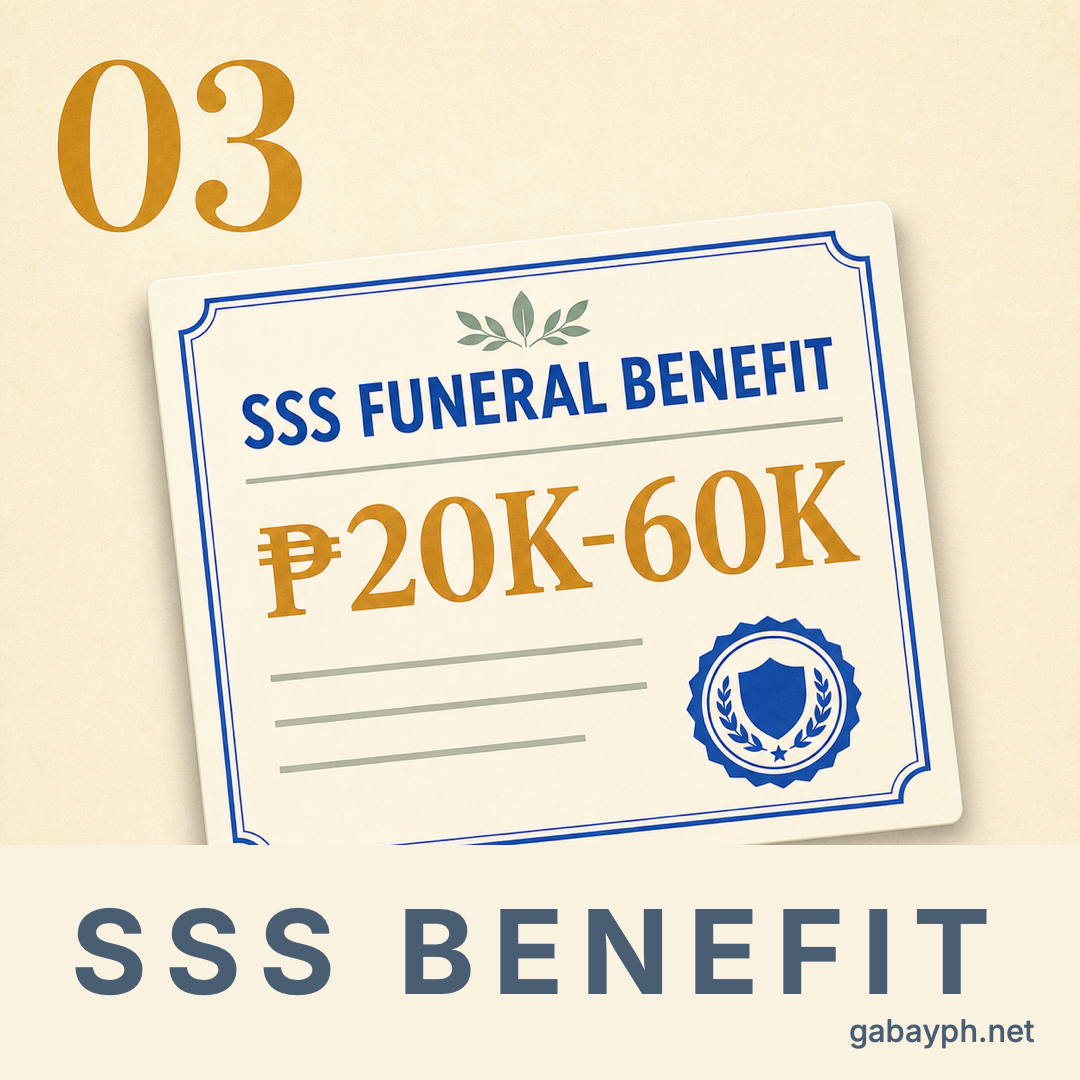
Quick Summary
Mabilis na Buod
We understand this is a difficult time. This guide is here to help you navigate the paperwork so you can focus on your family. Take it one step at a time.
Nauunawaan namin na mahirap ang panahong ito. Narito ang gabay na ito para tulungan kang maayos ang mga papeles para makapag-focus ka sa pamilya mo. Isa-isa lang.
Table of Contents
Talaan ng Nilalaman

First 24 Hours
Unang 24 na Oras
1. Get the Medical Certificate of Death
If the death occurred in a hospital, the attending physician issues the Medical Certificate of Death. This is your most important document -- everything else depends on it. Ask the hospital records section for the form and make sure it is signed before you leave.
If the death occurred at home, contact your barangay health worker or the nearest health center. A municipal health officer will examine the remains and issue the certificate. If the cause of death is unknown or suspicious, the police and a medico-legal officer will be involved.
2. Contact a Funeral Home
Call a funeral home to arrange transport and embalming. Most funeral homes offer packages starting at P30,000-P80,000 depending on services (casket, chapel, embalming, transportation). Get a written breakdown of costs before agreeing. The funeral home will also guide you through death registration -- many handle the paperwork on your behalf.
3. Notify Immediate Family
Inform close relatives as soon as possible. Designate one person as the point of contact for coordinating arrangements. This avoids confusion and ensures consistent information reaches everyone.
1. Kunin ang Medical Certificate of Death
Kung namatay sa ospital, ang attending physician ang mag-iisue ng Medical Certificate of Death. Ito ang pinakaimportanteng dokumento mo -- lahat ng iba pa ay nakadepende dito. Humingi sa hospital records section ng form at siguraduhing may pirma bago ka umalis.
Kung namatay sa bahay, tawagan ang iyong barangay health worker o pinakamalapit na health center. Ang municipal health officer ang mag-eexamine at mag-iisue ng certificate. Kung hindi alam o kahina-hinala ang dahilan ng pagkamatay, magiging involved ang pulis at medico-legal officer.
2. Tawagan ang Funeral Home
Tumawag ng funeral home para sa transport at embalming. Karamihan ng mga funeral home ay may package na nagsisimula sa P30,000-P80,000 depende sa serbisyo (kabaong, chapel, embalming, transportasyon). Humingi ng nakasulat na breakdown ng gastos bago pumayag. Gagabayan ka rin ng funeral home sa death registration -- marami ang nag-aasikaso ng paperwork para sa iyo.
3. Ipaalam sa Malapit na Pamilya
Ipaalam sa mga malapit na kamag-anak sa lalong madaling panahon. Mag-assign ng isang tao bilang point of contact para sa pag-coordinate ng mga kaayusan. Iniiwasan nito ang kalituhan at tinitiyak na pare-pareho ang impormasyon na naabot sa lahat.
Days 1-3: Death Certificate & Burial Permit
Araw 1-3: Death Certificate at Burial Permit
1. Register the Death at the Local Civil Registrar
The death must be registered at the Local Civil Registrar (LCR) where the death occurred within 30 days. Bring the Medical Certificate of Death and a valid ID of the informant (usually the nearest relative). Registration is free. The LCR will forward the record to PSA for the official death certificate.
In practice, most funeral homes handle the registration for you as part of their service. Confirm this with your funeral home so it does not slip through the cracks.
2. Get the Burial or Cremation Permit
A burial/cremation permit is issued by the City or Municipal Health Office after the death is registered. This is required before any cemetery or crematorium will accept the remains. Cost is typically P200-P500 depending on the LGU. Again, your funeral home usually handles this.
3. Order PSA Death Certificate Copies
The PSA-authenticated death certificate becomes available approximately 2-4 weeks after LCR registration. Order from PSAHelpline.ph at P365 per copy. You will need multiple copies -- order at least 10.
1. I-register ang Pagkamatay sa Local Civil Registrar
Ang pagkamatay ay dapat i-register sa Local Civil Registrar (LCR) kung saan naganap ang pagkamatay sa loob ng 30 araw. Dalhin ang Medical Certificate of Death at valid ID ng informant (kadalasan ang pinakamalapit na kamag-anak). Libre ang registration. Ipapadala ng LCR ang record sa PSA para sa opisyal na death certificate.
Sa praktika, karamihan ng funeral home ang nag-aasikaso ng registration para sa iyo bilang bahagi ng serbisyo nila. I-confirm ito sa funeral home mo para hindi ito makalimutan.
2. Kunin ang Burial o Cremation Permit
Ang burial/cremation permit ay iniiisue ng City o Municipal Health Office pagkatapos ma-register ang pagkamatay. Kinakailangan ito bago tanggapin ng anumang sementeryo o crematorium ang labi. Ang gastos ay karaniwang P200-P500 depende sa LGU. Muli, karaniwang inaasikaso ito ng funeral home mo.
3. Umorder ng mga PSA Death Certificate Copies
Ang PSA-authenticated death certificate ay magiging available pagkalipas ng mga 2-4 na linggo mula sa LCR registration. Umorder mula sa PSAHelpline.ph sa halagang P365 bawat kopya. Kakailanganin mo ng maraming kopya -- umorder ng hindi bababa sa 10.
Week 1-2: Notify Government Agencies
Linggo 1-2: I-notify ang mga Ahensya ng Gobyerno
1. SSS (Private Sector Employees)
The SSS provides two separate benefits: a funeral benefit of ₱20,000–₱60,000 (lump sum, paid to whoever shouldered the funeral costs) and a death benefit (monthly pension or lump sum for qualified dependents). File at any SSS branch with the death certificate, claimant's ID, and proof of relationship. See our SSS guide for membership details.
2. GSIS (Government Employees)
If the deceased was a government employee or pensioner, GSIS provides a funeral benefit of P50,000 plus a survivorship pension for the surviving spouse and minor children. File at the nearest GSIS branch. See our GSIS guide for details.
3. PhilHealth
PhilHealth does not have a specific "death benefit" but provides burial assistance if the deceased was an active member or pensioner at the time of death. File within 6 months of death at any PhilHealth office. See our PhilHealth guide.
4. Pag-IBIG
Pag-IBIG releases the deceased member's total accumulated savings (provident benefits) to legal heirs. If the deceased had a Pag-IBIG housing loan, check if it has mortgage redemption insurance (MRI) -- this may cover the remaining balance. File at any Pag-IBIG branch. See our Pag-IBIG guide.
5. Employer
If the deceased was employed, contact their HR department to claim: final pay (last salary, pro-rated 13th month pay), unused leave conversion, and any company death benefits or group life insurance. Bring the death certificate and proof of relationship.
1. SSS (Private Sector Employees)
Ang SSS ay nagbibigay ng dalawang magkahiwalay na benepisyo: funeral benefit na ₱20,000–₱60,000 (lump sum, ibinibigay sa nagbayad ng libing) at death benefit (buwanang pension o lump sum para sa mga kwalipikadong dependent). Mag-file sa kahit anong SSS branch dala ang death certificate, ID ng claimant, at patunay ng relasyon. Tingnan ang aming gabay sa SSS para sa mga detalye ng membership.
2. GSIS (Government Employees)
Kung ang namatay ay government employee o pensioner, nagbibigay ang GSIS ng funeral benefit na P50,000 kasama ang survivorship pension para sa asawa at mga minor na anak. Mag-file sa pinakamalapit na GSIS branch. Tingnan ang aming gabay sa GSIS para sa mga detalye.
3. PhilHealth
Walang espesipikong "death benefit" ang PhilHealth pero nagbibigay ng burial assistance kung ang namatay ay active member o pensioner nang mamatay. Mag-file sa loob ng 6 na buwan mula sa pagkamatay sa kahit anong PhilHealth office. Tingnan ang aming gabay sa PhilHealth.
4. Pag-IBIG
Rinirelease ng Pag-IBIG ang kabuuang na-ipon na savings (provident benefits) ng namatay na miyembro sa mga legal heirs. Kung ang namatay ay may Pag-IBIG housing loan, i-check kung may mortgage redemption insurance (MRI) -- maaaring sakupin nito ang natitirang balanse. Mag-file sa kahit anong Pag-IBIG branch. Tingnan ang aming gabay sa Pag-IBIG.
5. Employer
Kung ang namatay ay may trabaho, tawagan ang HR department para i-claim: final pay (huling sahod, pro-rated 13th month pay), unused leave conversion, at anumang company death benefits o group life insurance. Dalhin ang death certificate at patunay ng relasyon.
Month 1-3: Financial Claims
Buwan 1-3: Mga Financial Claims
1. Bank Accounts
Present the death certificate to the bank where the deceased held accounts. If the account is a joint account, the surviving co-depositor retains access to their share. For sole accounts, the bank will freeze the account and require legal documents (affidavit of self-adjudication or extrajudicial settlement) before releasing funds to heirs.
2. Life Insurance Claims
File claims with any life insurance company where the deceased held a policy. You typically need: the death certificate, the policy document, a claimant's statement, and valid ID. Most insurers process claims within 30-60 days. Check if the deceased also had HMO coverage with any remaining reimbursable medical expenses.
3. Pension Claims
If the deceased was receiving an SSS or GSIS pension, the surviving spouse and minor children may be entitled to a monthly survivorship pension. For SSS, this is a percentage of the deceased's monthly pension. For GSIS, the surviving spouse receives 50% of the basic monthly pension. File at the respective agency with proof of relationship.
4. Credit Card and Loan Obligations
Check if outstanding credit cards or loans have credit life insurance -- this is common with bank credit cards and housing loans. If covered, the insurance pays off the remaining balance. If not covered, the debt becomes part of the estate. Heirs are not personally liable for debts beyond the estate's value.
1. Mga Bank Account
Ipresenta ang death certificate sa bangko kung saan may account ang namatay. Kung ang account ay joint account, nananatili ang access ng surviving co-depositor sa kanilang share. Para sa sole account, ifi-freeze ng bangko ang account at mangangailangan ng legal documents (affidavit of self-adjudication o extrajudicial settlement) bago i-release ang pondo sa mga tagapagmana.
2. Life Insurance Claims
Mag-file ng claims sa kahit anong life insurance company kung saan may polisiya ang namatay. Karaniwang kailangan mo: death certificate, policy document, claimant's statement, at valid ID. Karamihan ng mga insurer ay nagpo-proseso ng claims sa loob ng 30-60 araw. I-check din kung may HMO coverage ang namatay na may natitirang reimbursable na medikal na gastos.
3. Pension Claims
Kung ang namatay ay tumatanggap ng SSS o GSIS pension, ang asawa at mga minor na anak ay maaaring entitled sa buwanang survivorship pension. Para sa SSS, ito ay porsyento ng buwanang pension ng namatay. Para sa GSIS, tumatanggap ang asawa ng 50% ng basic monthly pension. Mag-file sa kaukulang ahensya dala ang patunay ng relasyon.
4. Credit Card at Loan Obligations
I-check kung ang mga outstanding credit card o utang ay may credit life insurance -- karaniwan ito sa mga bank credit card at housing loan. Kung sakop, babayaran ng insurance ang natitirang balanse. Kung hindi sakop, nagiging bahagi ng estate ang utang. Hindi personal na liable ang mga tagapagmana sa mga utang na lampas sa halaga ng estate.
Month 3-6: Estate & Property
Buwan 3-6: Estate at Ari-arian
1. BIR Estate Tax
The estate tax return must be filed with the BIR within 1 year of death (extendable by 30 days with written request). The rate is a flat 6% on the net estate exceeding ₱5,000,000. For most Filipino families, the P5M standard deduction means no estate tax is owed. File BIR Form 1801 at the Revenue District Office (RDO) where the deceased was registered.
2. Transfer of Property Title
If the deceased owned real property and there is no dispute among heirs, execute an Extrajudicial Settlement of Estate (notarized, published in a newspaper of general circulation for 3 consecutive weeks). Bring this along with the BIR Certificate Authorizing Registration (CAR) to the Registry of Deeds to transfer the title. If there are disputes, a court-supervised judicial settlement is required.
3. Vehicle Transfer (LTO)
To transfer vehicle ownership, bring the death certificate, extrajudicial settlement, and BIR CAR to the LTO. Pay the transfer fee and get a new Certificate of Registration (CR) and Official Receipt (OR) in the heir's name.
4. Utilities Transfer
Transfer electricity (Meralco), water, and internet accounts to a surviving family member's name. Each utility requires the death certificate and a valid ID of the new account holder. Visit the local branch or call their hotline to start the process.
1. BIR Estate Tax
Ang estate tax return ay dapat i-file sa BIR sa loob ng 1 taon mula sa pagkamatay (maaaring i-extend ng 30 araw sa pamamagitan ng nakasulat na kahilingan). Ang rate ay flat na 6% sa net estate na lampas sa ₱5,000,000. Para sa karamihan ng mga pamilyang Pilipino, ang P5M standard deduction ay ibig sabihin walang estate tax na babayaran. I-file ang BIR Form 1801 sa Revenue District Office (RDO) kung saan naka-register ang namatay.
2. Transfer ng Property Title
Kung ang namatay ay may-ari ng real property at walang alitan sa mga tagapagmana, gumawa ng Extrajudicial Settlement of Estate (notarized, ipa-publish sa newspaper of general circulation sa loob ng 3 magkakasunod na linggo). Dalhin ito kasama ang BIR Certificate Authorizing Registration (CAR) sa Registry of Deeds para ilipat ang titulo. Kung may mga alitan, kailangan ng court-supervised judicial settlement.
3. Vehicle Transfer (LTO)
Para ilipat ang pagmamay-ari ng sasakyan, dalhin ang death certificate, extrajudicial settlement, at BIR CAR sa LTO. Magbayad ng transfer fee at kumuha ng bagong Certificate of Registration (CR) at Official Receipt (OR) sa pangalan ng tagapagmana.
4. Utilities Transfer
Ilipat ang kuryente (Meralco), tubig, at internet accounts sa pangalan ng isang natitirang miyembro ng pamilya. Bawat utility ay nangangailangan ng death certificate at valid ID ng bagong account holder. Bumisita sa lokal na branch o tumawag sa hotline nila para simulan ang proseso.
Practical Matters Checklist
Checklist ng mga Praktikal na Bagay
- Cancel subscriptions — streaming services, gym memberships, magazine subscriptions, app subscriptions linked to their account
- Deactivate social media — Facebook allows you to memorialize an account or request deletion with proof of death
- Redirect mail — inform the post office and key senders (bank, insurance, government agencies) of the change
- Update YOUR insurance beneficiaries — if the deceased was listed as beneficiary on your own life insurance, SSS, or Pag-IBIG, update to a new beneficiary now
- Collect personal belongings from workplace — coordinate with the employer's HR department to pick up personal items from the office or workstation
- I-cancel ang mga subscription — streaming services, gym memberships, magazine subscriptions, app subscriptions na naka-link sa account nila
- I-deactivate ang social media — pinapayagan ng Facebook na i-memorialize ang account o humiling ng deletion na may patunay ng pagkamatay
- I-redirect ang mail — ipaalam sa post office at mga pangunahing nagpapadala (bangko, insurance, ahensya ng gobyerno) ang pagbabago
- I-update ang IYONG insurance beneficiaries — kung ang namatay ay nakalista bilang beneficiary sa sarili mong life insurance, SSS, o Pag-IBIG, i-update sa bagong beneficiary ngayon
- Kolektahin ang personal na gamit mula sa workplace — makipag-coordinate sa HR department ng employer para kunin ang mga personal na gamit mula sa opisina
Requirements Checklist
- Medical Certificate of Death — Issued by attending physician (hospital) or municipal health officer (home death)
- PSA Death Certificate (P365) — Order from PSAHelpline.ph; get at least 10 certified copies
- Burial/Cremation Permit — From City/Municipal Health Office (P200-P500)
- Valid IDs of claimant — Any government-issued ID (PhilID, passport, driver's license, etc.)
- Marriage Certificate (if spouse is claiming) — PSA-authenticated copy for benefit claims
- Birth Certificate (if child is claiming) — PSA-authenticated copy to prove relationship
- Employer's Certificate (if deceased was employed) — Confirms employment, salary, and outstanding benefits
Checklist ng mga Kailangan
- Medical Certificate of Death — Iniiisue ng attending physician (ospital) o municipal health officer (namatay sa bahay)
- PSA Death Certificate (P365) — Umorder mula sa PSAHelpline.ph; kumuha ng hindi bababa sa 10 certified copies
- Burial/Cremation Permit — Mula sa City/Municipal Health Office (P200-P500)
- Valid IDs ng claimant — Kahit anong government-issued ID (PhilID, passport, driver's license, atbp.)
- Marriage Certificate (kung asawa ang nagke-claim) — PSA-authenticated na kopya para sa benefit claims
- Birth Certificate (kung anak ang nagke-claim) — PSA-authenticated na kopya para patunayan ang relasyon
- Employer's Certificate (kung may trabaho ang namatay) — Kinukumpirma ang employment, sahod, at natitirang mga benepisyo
Pro Tips
Mga Payo
- Funeral homes can handle death certificate registration for you — Most funeral homes include LCR registration and burial permit processing in their service package. Confirm this upfront so you do not have to make separate government office trips during the hardest days.
- Keep 10+ certified copies of the death certificate — The bank, SSS, GSIS, PhilHealth, Pag-IBIG, insurance companies, the employer, BIR, LTO, and utility companies will each require an original or certified copy. Running out means extra trips to PSA.
- SSS funeral benefit is separate from the death benefit -- claim both — The ₱20,000–₱60,000 funeral benefit goes to whoever paid for the funeral (with receipts). The death benefit (monthly pension or lump sum) goes to qualified legal dependents. These are two different claims filed separately.
- Check all drawers and files for insurance policies — Many Filipinos hold policies they do not regularly discuss. Check for company group life insurance, bank-linked insurance, credit card insurance, and standalone policies. Even old or lapsed policies may have a residual value.
- The ₱5,000,000 estate tax exemption covers most families — Under the TRAIN Law, the first ₱5,000,000 of the net estate is exempt from the 6% estate tax. Family home exemption (up to ₱10,000,000) and standard deduction (₱5,000,000) further reduce the taxable estate. Consult a tax professional only if the estate is complex or high-value.
- Maaaring i-handle ng funeral home ang registration ng death certificate para sa iyo — Karamihan ng mga funeral home ay kasama na ang LCR registration at burial permit processing sa kanilang service package. I-confirm ito agad para hindi ka na kailangang pumunta pa sa mga government office sa pinakamahirap na araw.
- Mag-keep ng 10+ certified copies ng death certificate — Ang bangko, SSS, GSIS, PhilHealth, Pag-IBIG, insurance companies, employer, BIR, LTO, at utility companies ay bawat isa ay mangangailangan ng original o certified copy. Kapag naubos, ibig sabihin dagdag na punta sa PSA.
- Ang SSS funeral benefit ay hiwalay sa death benefit -- i-claim pareho — Ang ₱20,000–₱60,000 funeral benefit ay napupunta sa nagbayad ng libing (na may mga resibo). Ang death benefit (buwanang pension o lump sum) ay napupunta sa mga kwalipikadong legal dependents. Dalawang magkaibang claims ang mga ito na hiwalay na ini-file.
- I-check ang lahat ng drawer at files para sa insurance policies — Maraming Pilipino ang may mga polisiya na hindi nila regular na pinag-uusapan. I-check ang company group life insurance, bank-linked insurance, credit card insurance, at standalone policies. Kahit ang mga luma o lapsed na polisiya ay maaaring may natitirang halaga.
- Ang ₱5,000,000 estate tax exemption ay sumasakop sa karamihan ng mga pamilya — Sa ilalim ng TRAIN Law, ang unang P5 milyon ng net estate ay exempt sa 6% estate tax. Ang family home exemption (hanggang ₱10,000,000) at standard deduction (₱5,000,000) ay lalong nagpapababa ng taxable estate. Kumonsulta sa tax professional lamang kung ang estate ay kumplikado o mataas ang halaga.
Frequently Asked Questions
Mga Madalas Itanong
Who registers the death?
Usually the funeral home handles registration at the Local Civil Registrar as part of their service. If not, the nearest relative or any person who has knowledge of the death can register it. The informant must bring the Medical Certificate of Death and a valid ID.
Sino ang nagre-register ng pagkamatay?
Kadalasan ang funeral home ang nag-aasikaso ng registration sa Local Civil Registrar bilang bahagi ng serbisyo nila. Kung hindi, ang pinakamalapit na kamag-anak o sinumang may kaalaman tungkol sa pagkamatay ang maaaring mag-register. Kailangan dalhin ng informant ang Medical Certificate of Death at valid ID.
How much is the SSS funeral benefit?
₱20,000–₱60,000 lump sum, paid to whoever shouldered the funeral expenses (with official receipts as proof). This is separate from the SSS death benefit, which is a monthly pension or lump sum for qualified dependents. See our SSS guide for eligibility requirements.
Magkano ang SSS funeral benefit?
₱20,000–₱60,000 lump sum, ibinibigay sa nagbayad ng gastos sa libing (na may mga opisyal na resibo bilang patunay). Hiwalay ito sa SSS death benefit, na buwanang pension o lump sum para sa mga kwalipikadong dependent. Tingnan ang aming gabay sa SSS para sa mga kinakailangan sa eligibility.
What if the deceased had no insurance?
Even without private insurance, government benefits still apply. SSS (funeral + death benefit), GSIS (if government employee), PhilHealth (burial assistance), and Pag-IBIG (provident benefits) each have their own claims process. Check each agency -- the deceased may have contributions you were not aware of.
Paano kung walang insurance ang namatay?
Kahit walang private insurance, naaapply pa rin ang mga benepisyo ng gobyerno. Ang SSS (funeral + death benefit), GSIS (kung government employee), PhilHealth (burial assistance), at Pag-IBIG (provident benefits) ay bawat isa ay may sariling claims process. I-check ang bawat ahensya -- maaaring may mga kontribusyon ang namatay na hindi mo alam.
Do we need to pay estate tax if the estate is small?
Probably not. Under the TRAIN Law, the standard deduction is ₱5,000,000 plus additional deductions for the family home (up to ₱10,000,000), funeral expenses, and debts. Most Filipino families will not owe estate tax. You still need to file the return with BIR within 1 year, but the tax due may be zero.
Kailangan ba naming magbayad ng estate tax kung maliit lang ang estate?
Malamang hindi. Sa ilalim ng TRAIN Law, ang standard deduction ay ₱5,000,000 kasama ang mga karagdagang deductions para sa family home (hanggang ₱10,000,000), funeral expenses, at mga utang. Karamihan ng mga pamilyang Pilipino ay hindi magbabayad ng estate tax. Kailangan mo pa ring i-file ang return sa BIR sa loob ng 1 taon, pero ang tax due ay maaaring zero.
Can I access the deceased's bank account?
Not directly. The bank will freeze sole accounts upon receiving the death certificate. To access the funds, heirs must present either an Affidavit of Self-Adjudication (if you are the sole heir) or an Extrajudicial Settlement of Estate (if multiple heirs, notarized and published). You will also need a BIR estate tax clearance. Joint accounts allow the surviving co-depositor to access their share.
Maaari ko bang ma-access ang bank account ng namatay?
Hindi direkta. Ifi-freeze ng bangko ang sole accounts kapag natanggap nila ang death certificate. Para ma-access ang pondo, kailangang ipresenta ng mga tagapagmana ang Affidavit of Self-Adjudication (kung ikaw ang tanging tagapagmana) o Extrajudicial Settlement of Estate (kung maraming tagapagmana, notarized at nai-publish). Kakailanganin mo rin ng BIR estate tax clearance. Ang joint accounts ay pinapayagan ang surviving co-depositor na ma-access ang kanilang share.