

How to Start a Small Business in the Philippines (2026 Complete Guide)
Paano Magsimula ng Maliit na Negosyo sa Pilipinas (2026 Kumpletong Gabay)

The 5-Step Walkthrough
Start a business in five steps.
Quick Summary
Mabilis na Buod
- DTI Business Name Registration (BNRS Online) — territorial scope fees, portal walkthrough, renewal logic
- BIR Registration for Sole Proprietorship — Form 1901, EOPT Act changes, books of accounts, first 1701Q
- Sole Proprietorship vs Corporation — when to incorporate, tax differences under CREATE MORE, One Person Corporation
- DTI Business Name Registration (BNRS Online) — territorial scope fees, portal walkthrough, renewal logic
- BIR Registration para sa Sole Proprietorship — Form 1901, EOPT Act changes, books of accounts, first 1701Q
- Sole Proprietorship vs Corporation — kailan mag-incorporate, tax differences sa CREATE MORE, One Person Corporation
Table of Contents
Talaan ng Nilalaman
This guide walks you through every step of legally registering and launching a small business in the Philippines in 2026 — DTI registration, barangay clearance, mayor's permit, BIR registration, and mandatory contributions. Whether it is a sari-sari store, food stall, or Shopee shop, the process is the same.
Gagabayan ka ng guide na ito sa bawat hakbang ng legal na pagpaparehistro at paglulunsad ng maliit na negosyo sa Pilipinas ngayong 2026 — DTI registration, barangay clearance, mayor's permit, BIR registration, at mandatory contributions. Sari-sari store, food stall, o Shopee shop man, pareho lang ang proseso.
Requirements Checklist
Listahan ng mga Kailangan
- Valid government-issued ID (passport, driver's license, PhilSys national ID, or UMID)
- TIN (Tax Identification Number) — if you do not have one, get it at your local BIR RDO
- Proof of address (utility bill, barangay certificate, or lease contract)
- Lease contract or certificate of land ownership (for the business address)
- Community Tax Certificate (cedula) — available at your barangay hall or city hall
- 2x2 ID photos (some LGUs still require this)
- Completed application forms (DTI, BIR Form 1901 or 1903)
- Cash for registration fees (₱200 – ₱2,000 for DTI; varies for LGU permits)
- Valid na government-issued ID (passport, driver's license, PhilSys national ID, o UMID)
- TIN (Tax Identification Number) — kung wala ka pa, kuhanin sa pinakamalapit na BIR RDO
- Proof of address (utility bill, barangay certificate, o lease contract)
- Lease contract o certificate of land ownership (para sa address ng negosyo)
- Community Tax Certificate (cedula) — makukuha sa barangay hall o city hall
- 2x2 ID photos (may ilang LGU na nangangailangan pa rin nito)
- Mga natapos na application forms (DTI, BIR Form 1901 o 1903)
- Pera para sa registration fees (₱200 – ₱2,000 para sa DTI; iba-iba para sa LGU permits)
Step-by-Step: How to Register a Small Business
Hakbang-hakbang: Paano Magparehistro ng Maliit na Negosyo
-
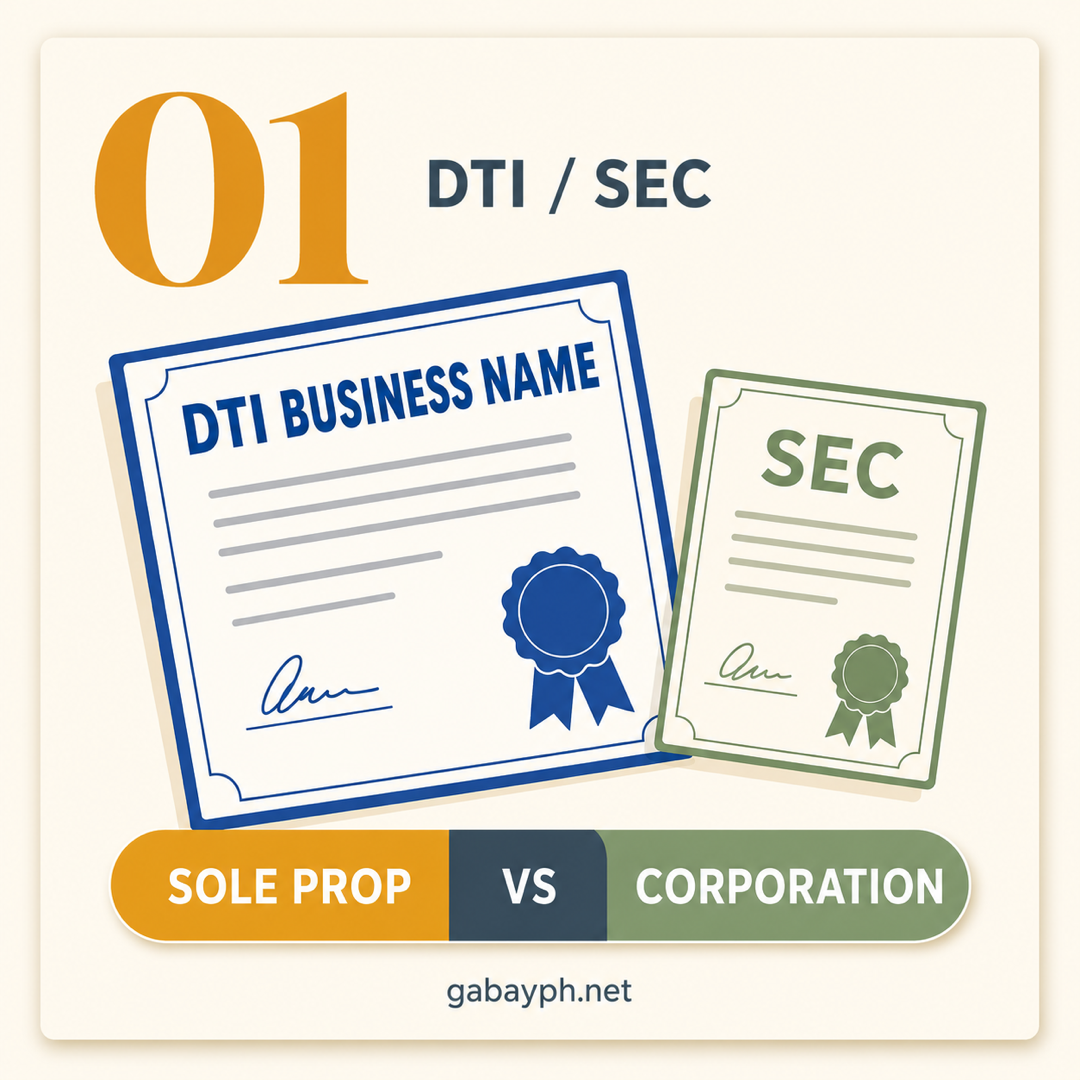
Register Your Business Name with DTI
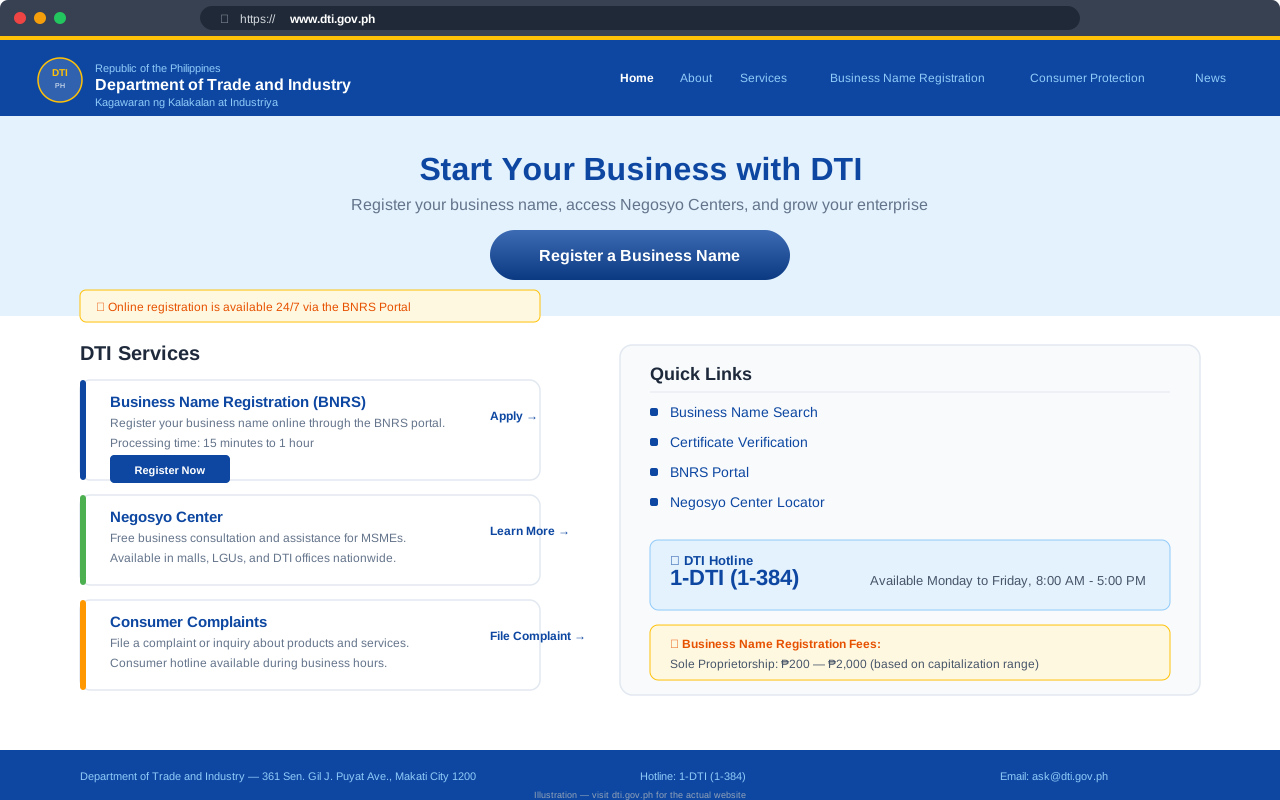
The first thing you need is a registered business name. For sole proprietorships (the most common type for small businesses), you register with the Department of Trade and Industry (DTI). If you are forming a partnership or corporation, you register with the SEC instead.
How to register online:
- Go to the BNRS (Business Name Registration System) at bnrs.dti.gov.ph
- Create an account or log in
- Search for your proposed business name to check availability
- Select your scope of registration: Barangay (₱200), City/Municipality (₱500), Regional (₱1,000), or National (₱2,000)
- Fill out the application form and pay online (GCash, Maya, debit/credit card, or bank transfer)
- Download your Certificate of Business Name Registration — valid for 5 years
Tip: Choose a name that is unique and easy to remember. Wag gumamit ng generic names like "JM Trading" kasi madalas na taken na yan. The DTI system will automatically tell you if a name is already registered.
-
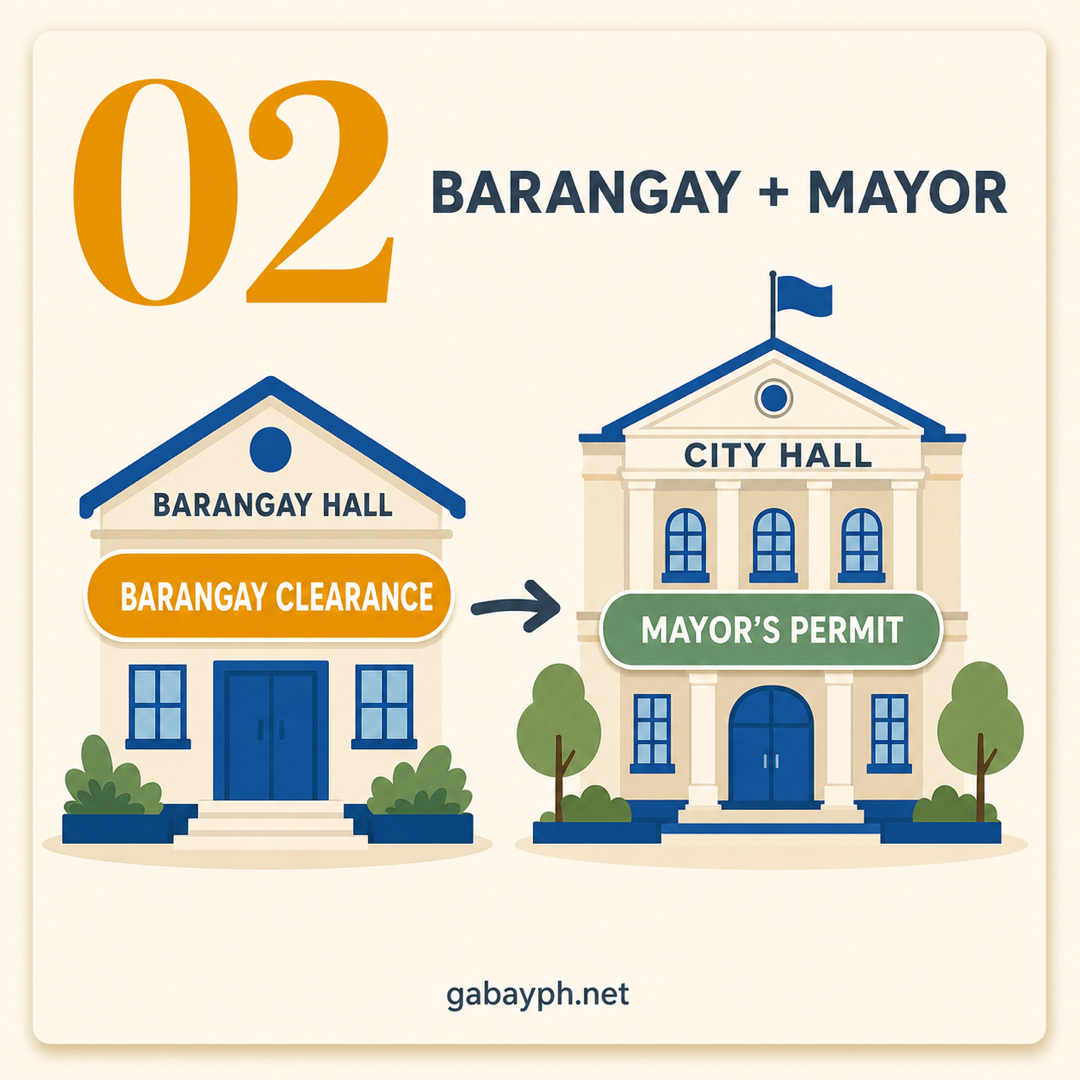
Get Your Barangay Clearance
After registering your business name, the next step is to visit your barangay hall — the barangay where your business will be physically located. Even if you work from home, you still need this clearance.
What to bring:
- DTI Certificate of Business Name Registration
- Valid ID
- Proof of business address (lease contract or proof of residence)
- Community Tax Certificate (cedula)
The barangay clearance fee is usually ₱200 to ₱500, depending on the barangay. Processing is typically same-day or next-day. Some barangays may conduct a brief inspection to check that your business location is suitable, lalo na kung food-related or may potential noise.
-
Apply for a Mayor's Permit (Business Permit)
The mayor's permit, also called a business permit, is issued by the city or municipal hall where your business is located. This is the most involved step and the one na medyo matagal.
Requirements typically include:
- DTI Certificate of Business Name Registration
- Barangay Clearance
- Lease contract or proof of ownership
- Cedula (Community Tax Certificate)
- Fire safety inspection certificate (from the Bureau of Fire Protection)
- Sanitary permit (from the city health office — required for food businesses)
- Zoning clearance
- Occupancy permit (for commercial spaces)
The cost ranges from ₱1,000 for micro businesses to ₱10,000+ for larger operations. Many cities have a Business One-Stop Shop (BOSS) that consolidates all agencies in one location. The permit is renewed annually (January to March).
-
Irehistro ang Pangalan ng Negosyo sa DTI
Ang unang kailangan mo ay isang rehistradong pangalan ng negosyo. Para sa sole proprietorship (ang pinakakaraniwang uri para sa maliliit na negosyo), magrerehistro ka sa Department of Trade and Industry (DTI). Kung partnership o corporation ang itatayo mo, sa SEC ka magrerehistro.
Paano magparehistro online:
- Pumunta sa BNRS (Business Name Registration System) sa bnrs.dti.gov.ph
- Gumawa ng account o mag-log in
- Hanapin ang gusto mong business name para i-check kung available
- Piliin ang saklaw ng registration: Barangay (₱200), City/Municipality (₱500), Regional (₱1,000), o National (₱2,000)
- Sagutan ang application form at magbayad online (GCash, Maya, debit/credit card, o bank transfer)
- I-download ang Certificate of Business Name Registration — valid ng 5 taon
Tip: Pumili ng pangalang natatangi at madaling tandaan. Wag gumamit ng generic names tulad ng "JM Trading" kasi madalas na taken na yan. Awtomatikong sasabihin ng DTI system kung rehistrado na ang pangalan.
-
Kumuha ng Barangay Clearance
Pagkarehistro ng pangalan ng negosyo, ang susunod na hakbang ay pumunta sa barangay hall — ang barangay kung saan matatagpuan ang negosyo mo. Kahit nagtratrabaho ka mula sa bahay, kailangan mo pa rin ito.
Mga dadalhin:
- DTI Certificate of Business Name Registration
- Valid na ID
- Proof of business address (lease contract o proof of residence)
- Community Tax Certificate (cedula)
Ang bayad sa barangay clearance ay karaniwang ₱200 hanggang ₱500, depende sa barangay. Ang proseso ay karaniwang same-day o next-day. May ilang barangay na magko-conduct ng maikling inspeksyon para tingnan kung angkop ang lokasyon ng negosyo, lalo na kung food-related o may potensiyal na ingay.
-
Mag-apply ng Mayor's Permit (Business Permit)
Ang mayor's permit, na tinatawag ding business permit, ay ibinibigay ng city o municipal hall kung saan matatagpuan ang negosyo mo. Ito ang pinaka-involved na hakbang at ang medyo matagal.
Karaniwang mga kailangan:
- DTI Certificate of Business Name Registration
- Barangay Clearance
- Lease contract o proof of ownership
- Cedula (Community Tax Certificate)
- Fire safety inspection certificate (mula sa Bureau of Fire Protection)
- Sanitary permit (mula sa city health office — kailangan para sa food businesses)
- Zoning clearance
- Occupancy permit (para sa commercial spaces)
Ang gastos ay mula ₱1,000 para sa micro businesses hanggang ₱10,000+ para sa mas malalaking operasyon. Maraming lungsod ang may Business One-Stop Shop (BOSS) na pinagsasama ang lahat ng ahensya sa iisang lokasyon. Ang permit ay nire-renew taun-taon (Enero hanggang Marso).
-
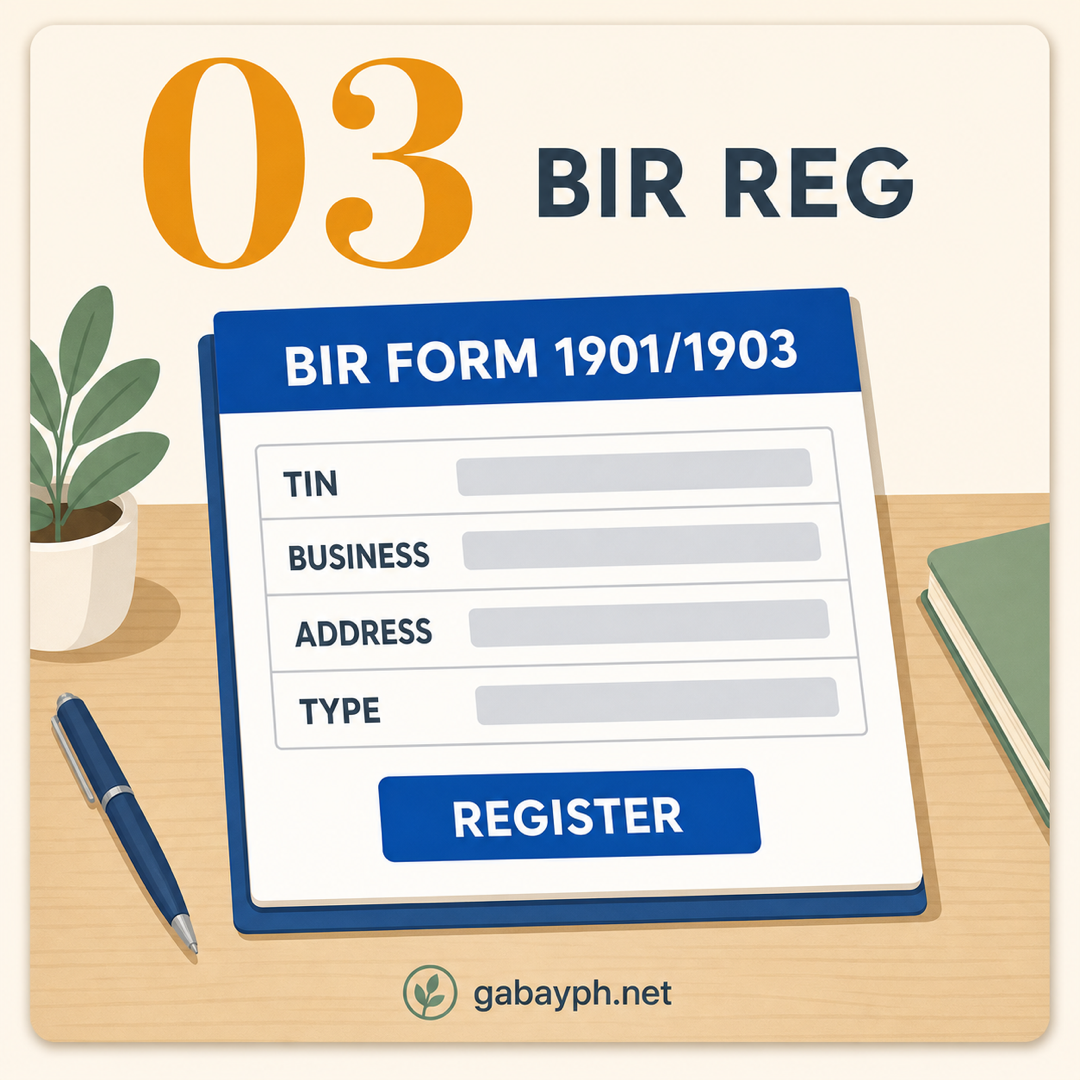
Register with the BIR (Bureau of Internal Revenue)
Pagkakuha mo ng mayor's permit, it is time to register with the BIR so you can legally issue receipts and pay taxes. This is a critical step na hindi mo pwedeng i-skip.
Here is what you need to do:
- Fill out BIR Form 1901 (for sole proprietors) or BIR Form 1903 (for partnerships/corporations)
Pay the Annual Registration Fee of ₱500 using BIR Form 0605— This fee has been abolished as of January 22, 2024 under RA 11976 (EOPT Act). You no longer need to pay the ₱500 annual registration fee or file Form 0605. Isa itong malaking tipid para sa lahat ng negosyante.- Register your books of accounts (journal and ledger) at the BIR — they will stamp them
- Apply for Authority to Print (ATP) receipts/invoices — or register for CAS (Computerized Accounting System) if you use software
- Get your Certificate of Registration (BIR Form 2303) — this is your official tax registration as a business
Important: Display your BIR Certificate of Registration prominently at your place of business. The BIR can fine you for not having it visible. Also, familiarize yourself with your tax obligations — sole proprietors typically file Percentage Tax (BIR Form 2551Q) quarterly if gross sales do not exceed ₱3 million, or VAT if sales exceed that threshold.
-
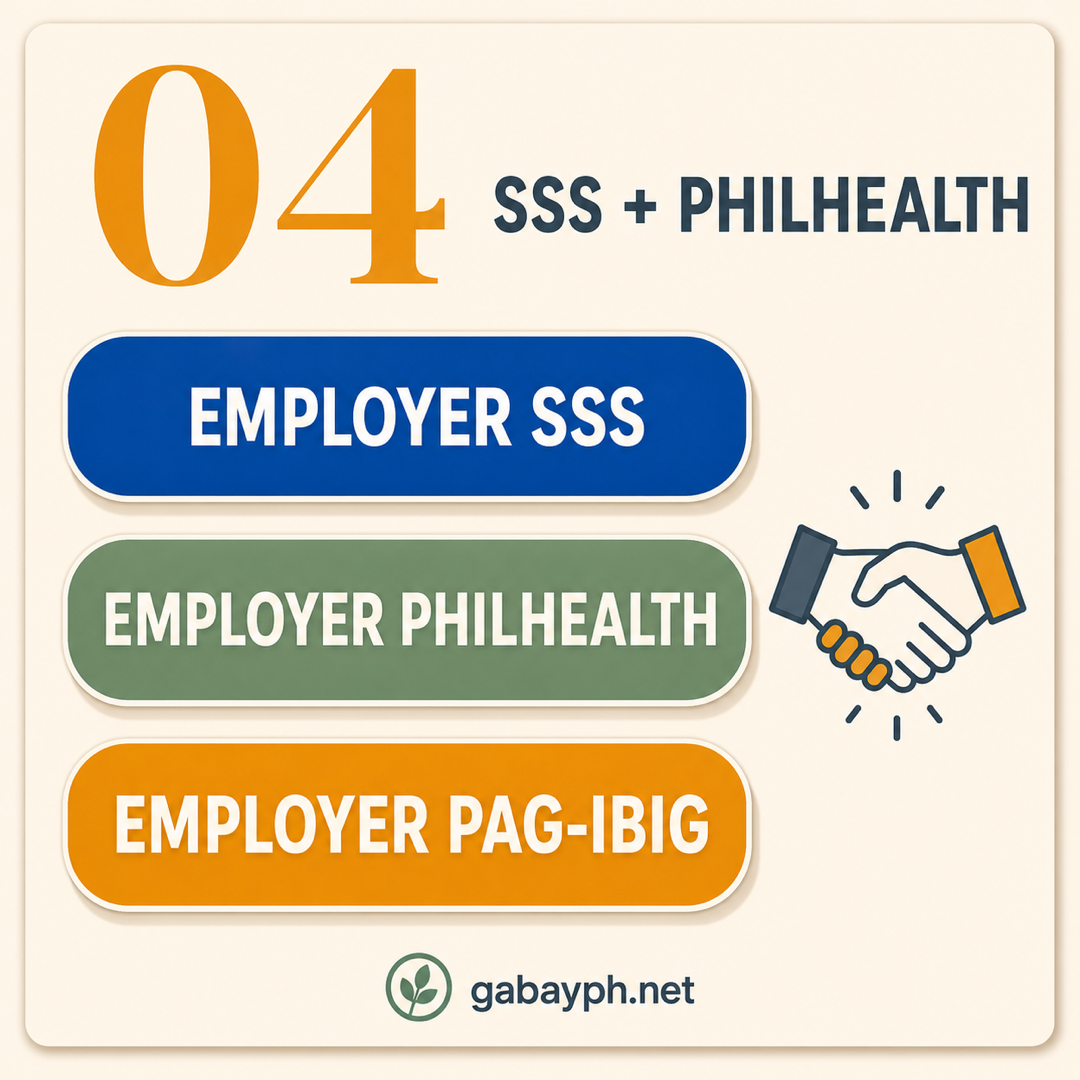
Register as an Employer with SSS, Pag-IBIG, and PhilHealth
If you plan to hire employees — kahit isa lang — you are legally required to register as an employer with the following agencies:
- SSS (Social Security System) — Register using the SSS Employer Registration form (Form R-1). You can register online at sss.gov.ph. You must remit employee and employer contributions monthly.
- Pag-IBIG Fund (HDMF) — Register via the Virtual Pag-IBIG portal. Employer contributions are mandatory for employees earning over ₱1,000/month.
- PhilHealth — Register at the nearest PhilHealth office or through the PhilHealth Electronic Registration System (MPERS). Monthly remittance is required.
Even if you are a solo business owner with no employees, you should still be making voluntary contributions to SSS, Pag-IBIG, and PhilHealth for your own coverage. Ito ang safety net mo. Huwag mong i-skip ito.
-
Start Your Operations
Once you have all your registrations and permits in place, you are legally good to go! Here are a few things to set up as you launch:
- Open a business bank account — Keep your personal and business finances separate. Major banks like BDO, BPI, and Metrobank offer SME accounts with low maintaining balances.
- Set up your bookkeeping — Track every peso of income and expense. Use a spreadsheet, or apps like Xero, QuickBooks, or even GCash's built-in business tools.
- Get a POS or invoicing system — Issue invoices for all sales. The BIR requires this.
- Create your online presence — Set up a Facebook page, a Shopee or Lazada store, or even a TikTok Shop. Online selling has exploded in the Philippines, and maraming customers are shopping on their phones.
- Register with your LGU's BPLO for fire, sanitary, and environmental clearances as needed for your specific industry
-
Magparehistro sa BIR (Bureau of Internal Revenue)
Pagkakuha mo ng mayor's permit, oras na para magparehistro sa BIR para legal kang makapag-issue ng resibo at magbayad ng buwis. Ito ay kritikal na hakbang na hindi mo pwedeng i-skip.
Ito ang kailangan mong gawin:
- Sagutan ang BIR Form 1901 (para sa sole proprietors) o BIR Form 1903 (para sa partnerships/corporations)
Magbayad ng Annual Registration Fee na ₱500 gamit ang BIR Form 0605— abolished na ang bayaring ito simula January 22, 2024 sa ilalim ng RA 11976 (EOPT Act). Hindi mo na kailangang magbayad ng ₱500 annual registration fee o mag-file ng Form 0605. Isa itong malaking tipid para sa lahat ng negosyante.- Irehistro ang iyong books of accounts (journal at ledger) sa BIR — tatatakan nila ito
- Mag-apply ng Authority to Print (ATP) para sa receipts/invoices — o magparehistro para sa CAS (Computerized Accounting System) kung gumagamit ka ng software
- Kunin ang Certificate of Registration (BIR Form 2303) — ito ang opisyal mong tax registration bilang negosyo
Mahalaga: Ipakita nang malinaw ang iyong BIR Certificate of Registration sa lugar ng negosyo mo. Maaari kang multahin ng BIR kung hindi ito nakikita. Pamilyarisahin mo rin ang sarili mo sa mga tax obligations — ang mga sole proprietors ay karaniwang nagfa-file ng Percentage Tax (BIR Form 2551Q) tuwing quarter kung ang gross sales ay hindi lalampas sa ₱3 milyon, o VAT kung lumampas sa threshold na iyon.
-
Magparehistro Bilang Employer sa SSS, Pag-IBIG, at PhilHealth
Kung plano mong mag-hire ng empleyado — kahit isa lang — kailangan mo ayon sa batas na magparehistro bilang employer sa mga sumusunod na ahensya:
- SSS (Social Security System) — Magparehistro gamit ang SSS Employer Registration form (Form R-1). Maaari kang magparehistro online sa sss.gov.ph. Kailangan mong i-remit ang kontribusyon ng empleyado at employer buwan-buwan.
- Pag-IBIG Fund (HDMF) — Magparehistro sa pamamagitan ng Virtual Pag-IBIG portal. Mandatory ang employer contributions para sa mga empleyadong kumikita ng higit sa ₱1,000/buwan.
- PhilHealth — Magparehistro sa pinakamalapit na PhilHealth office o sa pamamagitan ng PhilHealth Electronic Registration System (MPERS). Kailangan ang buwanang remittance.
Kahit solo business owner ka na walang empleyado, dapat ka pa ring nagbabayad ng voluntary contributions sa SSS, Pag-IBIG, at PhilHealth para sa sarili mong coverage. Ito ang safety net mo. Huwag mong i-skip ito.
-
Simulan ang Iyong Operasyon
Kapag kumpleto na ang lahat ng registration at permit mo, legal ka nang makapag-operate! Narito ang ilang bagay na i-set up habang naglulunsad ka:
- Magbukas ng business bank account — Ihiwalay ang personal at business finances mo. Ang mga pangunahing bangko tulad ng BDO, BPI, at Metrobank ay may SME accounts na mababang maintaining balance.
- I-set up ang bookkeeping mo — I-track ang bawat pisong kita at gastos. Gumamit ng spreadsheet, o mga app tulad ng Xero, QuickBooks, o kahit ang built-in business tools ng GCash.
- Kumuha ng POS o invoicing system — Mag-issue ng invoices sa lahat ng benta. Kinakailangan ito ng BIR.
- Gumawa ng online presence — Mag-set up ng Facebook page, Shopee o Lazada store, o kahit TikTok Shop. Sumabog ang online selling sa Pilipinas, at maraming customers ang namimili sa kanilang mga telepono.
- Magparehistro sa BPLO ng iyong LGU para sa fire, sanitary, at environmental clearances na kailangan para sa iyong partikular na industriya
Online Business: Do You Still Need to Register?
Online na Negosyo: Kailangan Pa Rin Bang Magparehistro?
Yes. The same DTI + BIR + LGU registration applies to online sellers (Shopee, Lazada, TikTok Shop, etc.). Your home address can serve as your business address. Some LGUs offer reduced rates for home-based and micro enterprises — ask your BPLO.
Oo. Pareho lang ang DTI + BIR + LGU registration para sa online sellers (Shopee, Lazada, TikTok Shop, atbp.). Ang home address mo ay maaaring gamitin bilang business address. May ilang LGU na nag-aalok ng mas mababang rate para sa home-based at micro enterprises — tanungin ang BPLO.
How Much Does It Actually Cost?
Magkano ba Talaga ang Gastos?
Here is a realistic budget breakdown for registering a sole proprietorship in Metro Manila:
Narito ang makatotohanang breakdown ng gastos para sa pagpaparehistro ng sole proprietorship sa Metro Manila:
- DTI Business Name Registration: ₱200 – ₱2,000 (depending on scope)
- Barangay Clearance: ₱200 – ₱500
- Mayor's Permit + related clearances: ₱2,000 – ₱10,000
- BIR Registration (Annual Fee):
₱500abolished (RA 11976 (EOPT Act), January 22, 2024) - BIR Books of Accounts: ₱50 – ₱200
- Receipts printing: ₱500 – ₱1,500
- Cedula: ₱50 – ₱200
- DTI Business Name Registration: ₱200 – ₱2,000 (depende sa saklaw)
- Barangay Clearance: ₱200 – ₱500
- Mayor's Permit + kaugnay na clearances: ₱2,000 – ₱10,000
- BIR Registration (Annual Fee):
₱500abolished (RA 11976 (EOPT Act), January 22, 2024) - BIR Books of Accounts: ₱50 – ₱200
- Pag-print ng resibo: ₱500 – ₱1,500
- Cedula: ₱50 – ₱200
Total: around ₱4,500 to ₱14,500 for most micro and small businesses. This does not include your actual capital, inventory, equipment, or other startup costs — just the registration and permits. (The total is lower since the ₱500 BIR annual registration fee was abolished in January 22, 2024.)
Kabuuan: humigit-kumulang ₱4,500 hanggang ₱14,500 para sa karamihan ng micro at maliit na negosyo. Hindi kasama dito ang aktwal na puhunan, imbentaryo, kagamitan, o iba pang gastos sa pagsisimula — registration at permits lang. (Mas mababa na ang total dahil inalis na ang ₱500 BIR annual registration fee noong January 22, 2024.)
Pro Tips
Mga Payo
- Register early in the year — Mayor's permits are renewed every January. If you register in Q1, your first permit covers the full year. If you register in Q4, you still pay full price but the permit expires in a few months.
- Use the BOSS (Business One-Stop Shop) — Most cities now consolidate all permit-related agencies in one location during the January renewal period. Take advantage of this to save time.
- Keep digital copies of everything — Take photos or scan all your permits, receipts, and registrations. Store them in Google Drive or iCloud. Pag nawala yung original, at least may backup ka.
- Consult with a bookkeeper early — Even if you do your own bookkeeping, a one-time consultation with an accountant (₱2,000 – ₱5,000) can help you set up your books correctly and understand your tax obligations. Mas mahal ang penalty sa BIR kesa sa consultation fee.
- Check DTI Negosyo Centers — The DTI has Negosyo Centers in malls and government offices across the country. They offer free consultation, help with registration, and even training programs for new entrepreneurs. Sulit ito.
- Start small, then scale — You do not need a huge capital to start. Many successful Filipino businesses started from a home kitchen or a small online shop. Register properly and grow from there.
- Magparehistro nang maaga sa taon — Ang mayor's permits ay nire-renew tuwing Enero. Kung magparehistro ka sa Q1, sakop ng unang permit mo ang buong taon. Kung magparehistro ka sa Q4, full price pa rin ang babayaran mo pero mag-e-expire na ang permit sa ilang buwan.
- Gamitin ang BOSS (Business One-Stop Shop) — Karamihan ng mga lungsod ay pinagsasama-sama na ang lahat ng permit-related na ahensya sa iisang lokasyon tuwing panahon ng renewal sa Enero. Samantalahin ito para makatipid ng oras.
- Mag-keep ng digital copies ng lahat — Mag-picture o mag-scan ng lahat ng permits, resibo, at registration mo. I-store sa Google Drive o iCloud. Pag nawala yung original, at least may backup ka.
- Kumonsulta sa bookkeeper nang maaga — Kahit ikaw ang mag-bookkeep, ang isang beses na konsultasyon sa accountant (₱2,000 – ₱5,000) ay makakatulong para ma-set up nang tama ang books mo at maintindihan ang tax obligations mo. Mas mahal ang penalty sa BIR kesa sa consultation fee.
- Tingnan ang DTI Negosyo Centers — May mga Negosyo Centers ang DTI sa mga malls at government offices sa buong bansa. Nag-aalok sila ng libreng konsultasyon, tulong sa registration, at maging mga training programs para sa mga bagong entrepreneur. Sulit ito.
- Magsimula nang maliit, tapos palakihin — Hindi mo kailangan ng malaking puhunan para magsimula. Maraming matagumpay na Filipino businesses na nagsimula sa kusina ng bahay o maliit na online shop. Magparehistro nang maayos at lumago mula doon.
Frequently Asked Questions
Mga Madalas Itanong
How much does it cost to register a small business in the Philippines?
The total cost for registering a sole proprietorship ranges from ₱4,500 to ₱14,500. This includes DTI business name registration (₱200 – ₱2,000), barangay clearance (₱200 – ₱500), mayor's permit (₱2,000 – ₱10,000), and miscellaneous fees for books of accounts, cedula, and receipt printing. Note: the BIR annual registration fee (₱500) has been abolished since January 22, 2024 under RA 11976 (EOPT Act). The exact amount depends on your city/municipality and the type of business you are registering. Metro Manila LGUs tend to be slightly more expensive than provincial ones.
Magkano ang gastos para magparehistro ng maliit na negosyo sa Pilipinas?
Ang kabuuang gastos para sa pagpaparehistro ng sole proprietorship ay mula ₱4,500 hanggang ₱14,500. Kasama dito ang DTI business name registration (₱200 – ₱2,000), barangay clearance (₱200 – ₱500), mayor's permit (₱2,000 – ₱10,000), at iba pang bayarin para sa books of accounts, cedula, at pag-print ng resibo. Paalala: ang BIR annual registration fee (₱500) ay abolished simula January 22, 2024 sa ilalim ng RA 11976 (EOPT Act). Ang eksaktong halaga ay depende sa iyong city/municipality at uri ng negosyong irerehistro mo. Ang mga LGU sa Metro Manila ay medyo mas mahal kaysa sa mga probinsya.
Do I need a business permit for online selling?
Yes. Online sellers need the same registrations as physical stores. See the "Online Business" section above for details on using your home address.
Kailangan ko ba ng business permit para sa online selling?
Oo. Kailangan ng online sellers ang parehong registration gaya ng physical stores. Tingnan ang seksyong "Online na Negosyo" sa itaas para sa detalye tungkol sa paggamit ng home address.
What is the difference between sole proprietorship and corporation?
A sole proprietorship is owned and run by one person. It is the simplest and cheapest to register (through DTI). The owner has unlimited liability, meaning personal assets can be used to pay business debts. A corporation requires at least one incorporator (under the Revised Corporation Code), is registered with the SEC (not DTI), and has limited liability — your personal assets are generally protected. For most Filipinos starting their first small business, a sole proprietorship is the best starting point. You can always convert to a corporation later as your business grows.
Ano ang pagkakaiba ng sole proprietorship at corporation?
Ang sole proprietorship ay pag-aari at pinapatakbo ng isang tao. Ito ang pinakasimple at pinakamurang irehistro (sa pamamagitan ng DTI). Ang may-ari ay may unlimited liability, ibig sabihin ay maaaring gamitin ang personal na ari-arian para bayaran ang utang ng negosyo. Ang corporation ay nangangailangan ng kahit isang incorporator (sa ilalim ng Revised Corporation Code), nagrerehistro sa SEC (hindi sa DTI), at may limited liability — karaniwang protektado ang personal mong ari-arian. Para sa karamihan ng mga Pilipinong nagsisimula ng kanilang unang maliit na negosyo, ang sole proprietorship ang pinakamagandang simula. Maaari mo itong i-convert sa corporation sa kalaunan habang lumalaki ang negosyo mo.
How long does business registration take?
If you are well-prepared with all your documents, the entire process can be completed in 2 to 4 weeks. DTI registration is instant if done online. Barangay clearance is usually same-day. The mayor's permit is the longest part — typically 3 to 10 working days depending on your LGU and whether inspections are required. BIR registration takes 1 to 3 working days. During the January to March rush period, expect longer queues at city hall. Tip: go early in the morning, before 8 AM if possible, para unahan mo yung pila.
Gaano katagal ang business registration?
Kung handa ka na sa lahat ng dokumento mo, ang buong proseso ay maaaring makumpleto sa loob ng 2 hanggang 4 na linggo. Ang DTI registration ay instant kung online ginawa. Ang barangay clearance ay karaniwang same-day. Ang mayor's permit ang pinakamatagal na bahagi — karaniwang 3 hanggang 10 working days depende sa iyong LGU at kung kailangan ng inspeksyon. Ang BIR registration ay tumatagal ng 1 hanggang 3 working days. Sa panahon ng rush mula Enero hanggang Marso, mag-expect ng mas mahabang pila sa city hall. Tip: pumunta nang maaga sa umaga, bago mag-8 AM kung maaari, para unahan mo yung pila.